Safari is an experience that unfolds differently for each person. For me, it is best savoured in silence, absorbing the sights and sounds of the jungle. My first safari in India, at Kaziranga National Park, had set that tone. I remember spending three hours with a pair of binoculars, watching wildlife and listening intently, barely taking any photographs. As I booked my safari at Ranthambore National Park, I hoped to recreate that experience—immersive, unhurried, and deeply personal.
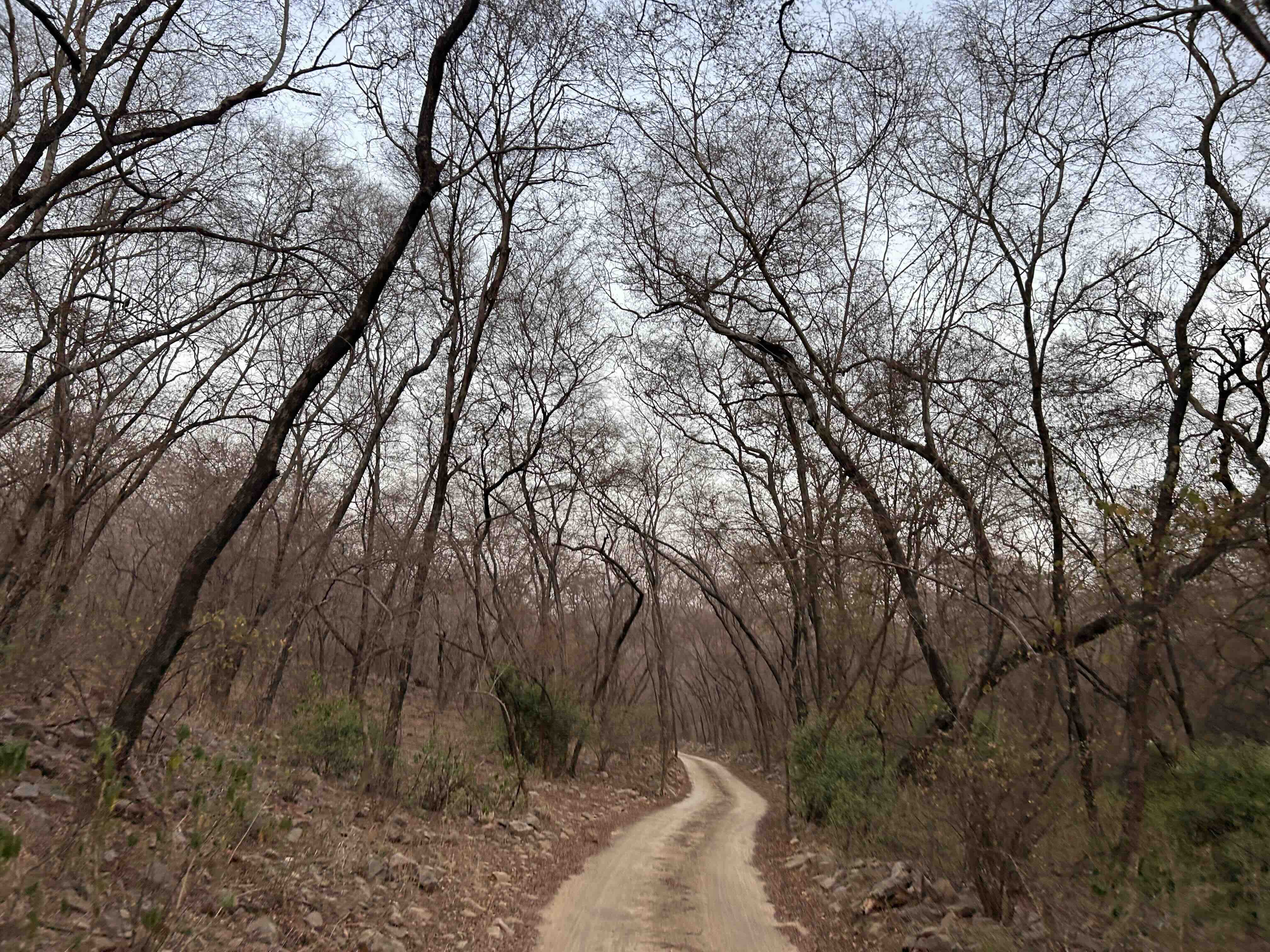
The tiger sighting on the previous day had, of course, raised expectations.
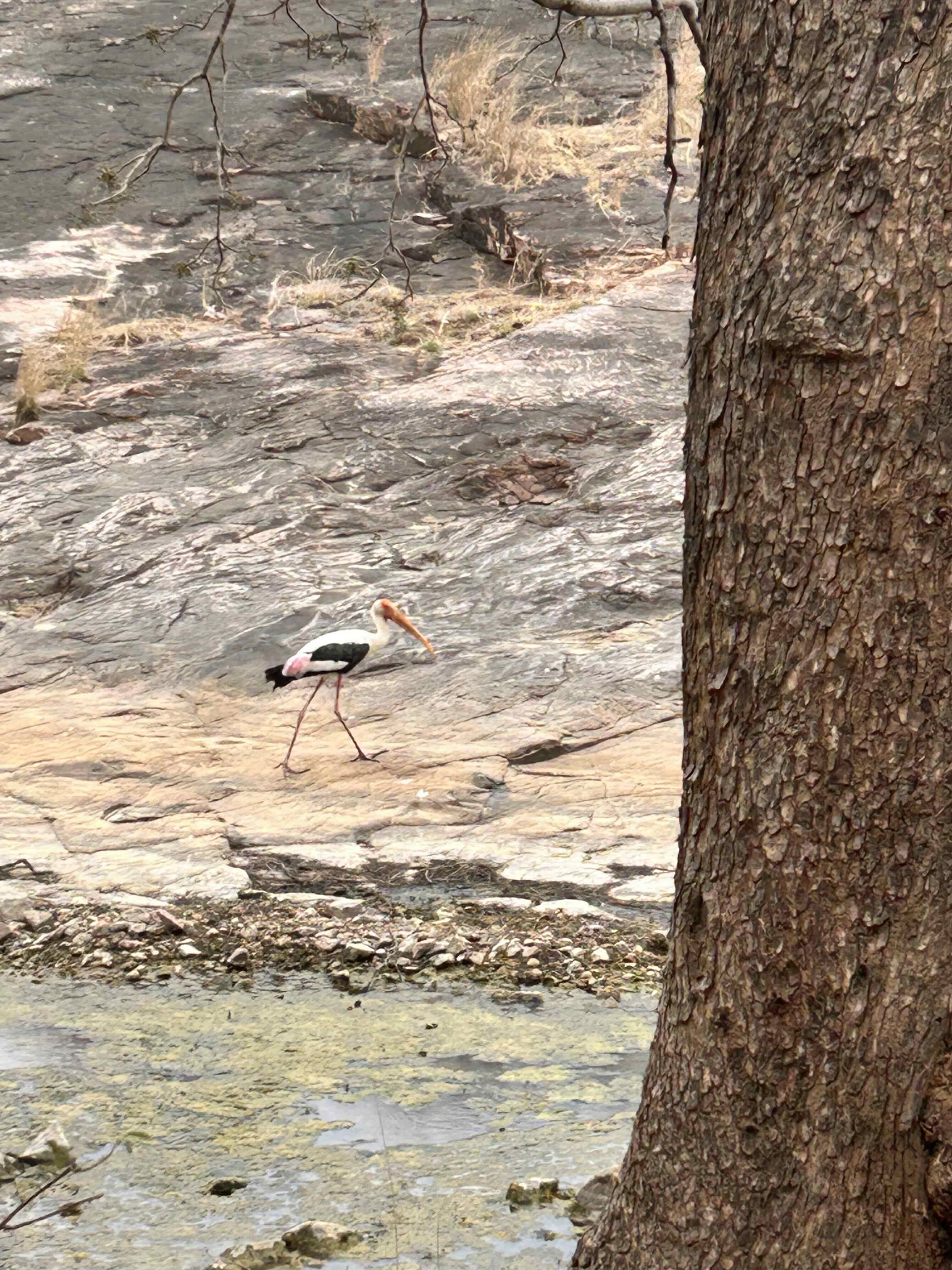
At 6:00 am, just as the first light softened the horizon, I entered Zone 1. The air was still cool, carrying a sense of anticipation. At the entrance stood a magnificent banyan tree—ancient, sprawling, almost ceremonial in its presence. As we moved ahead, a flock of painted storks broke the stillness, their movements graceful against the morning light.
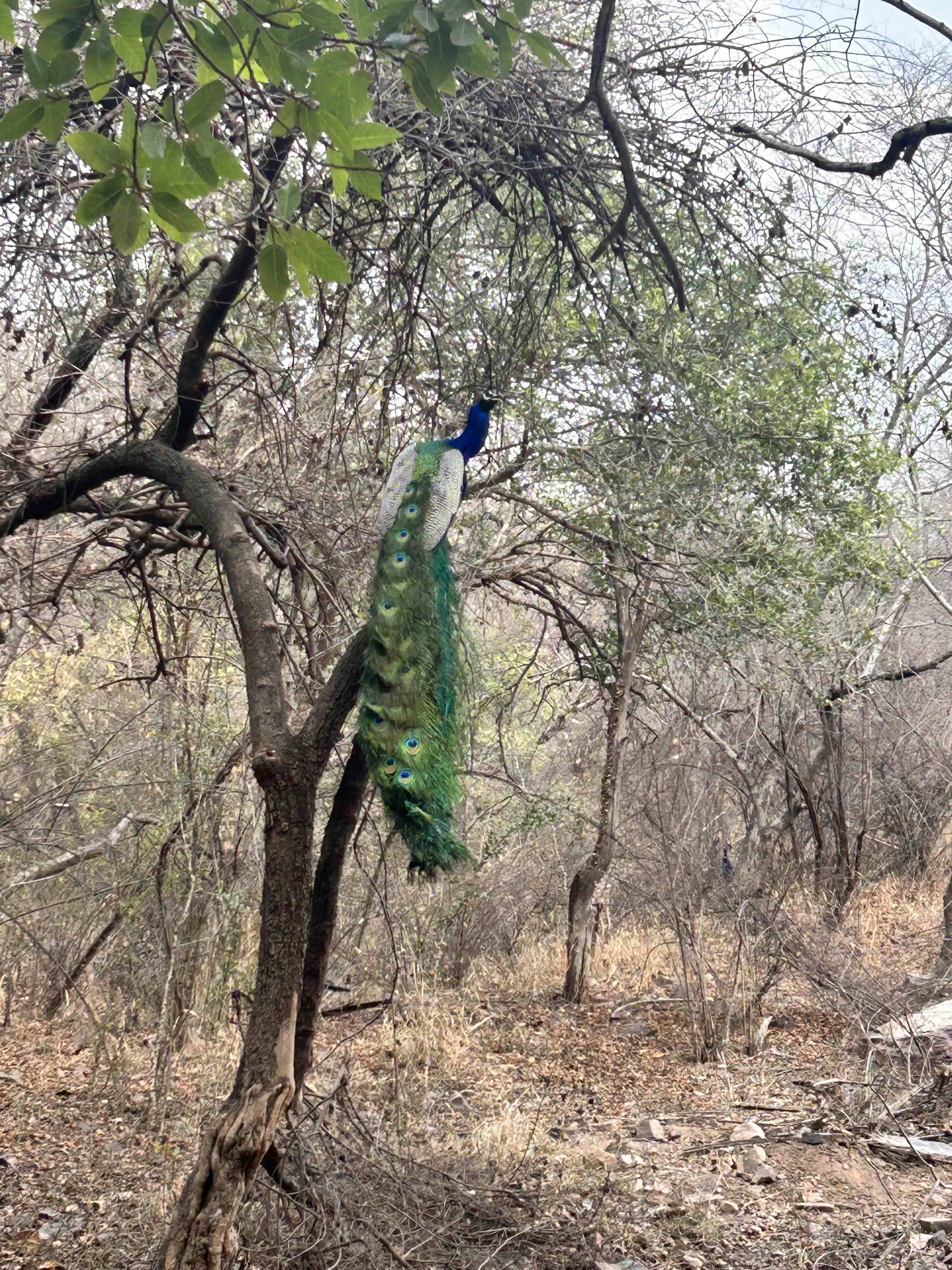
I told my guide that while I would like to see a tiger, I was equally keen to experience the jungle in its entirety. And so we moved, past spotted deer grazing cautiously, sambar standing alert, langurs observing from treetops, and peacocks adding fleeting bursts of colour. Yet, inevitably, the search for the tiger shaped our path. We paused at waterholes, scanned trails, and at one point even came across fresh pugmarks. The signs were there, but the tiger chose to remain unseen.
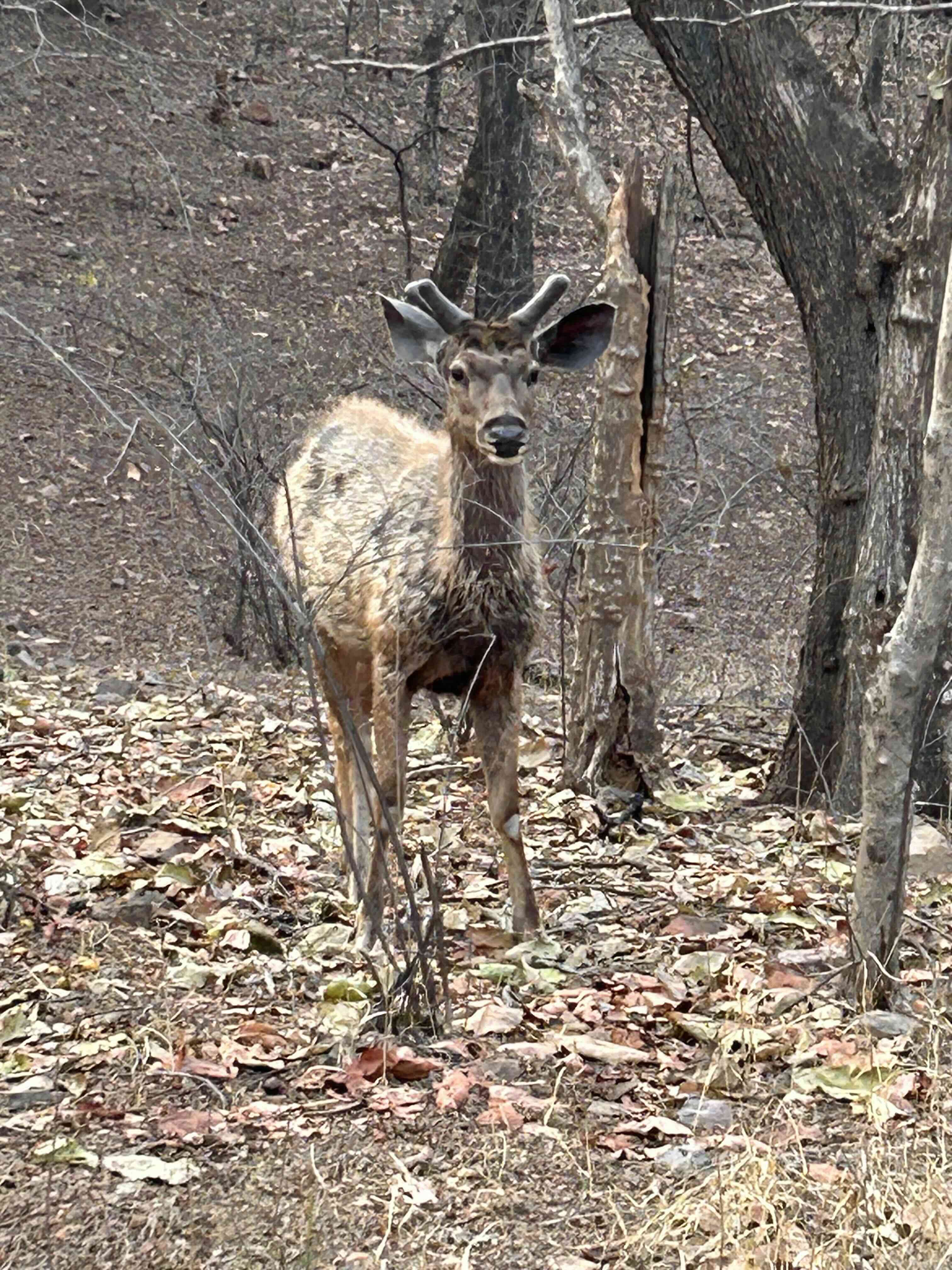
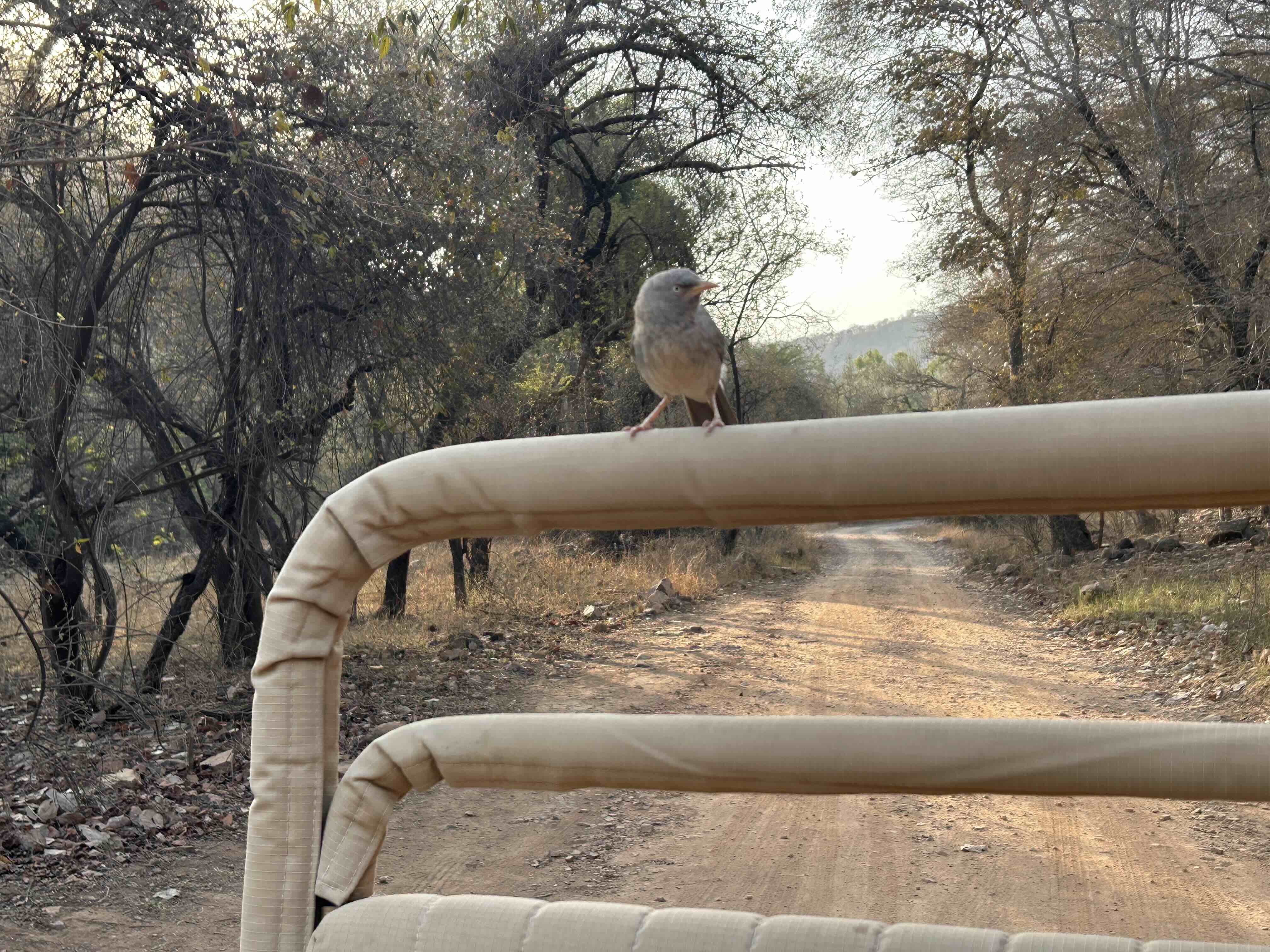
The jungle was calm. There were no alarm calls, no urgency in the air. As we covered the length and breadth of the zone, I found myself drawn to the smaller, quieter details. Common house sparrows, jungle babblers, surprisingly friendly, even perching briefly on the gypsy, kingfishers flashing their brilliance, yellow-footed green pigeons blending into foliage, black-winged stilts poised at water edges, drongos, bulbuls, mynas, and a fleeting glimpse of a golden oriole that refused to stay still long enough for a photograph. A cormorant stood with wings outstretched, drying itself in the morning sun.
As the safari drew to a close, we began our return. Just at the exit, word spread that a tiger had finally been spotted, at one of the very waterholes where we had waited. The jungle, it seemed, had made its point. It teaches patience, on its own terms.
Despite the rising heat, 42 degrees by afternoon, I decided to head out again. This time to Zone 2.
Ranthambore Fort looms quietly over the park, a reminder that these forests were once the hunting grounds of the Maharajas of Jaipur. Scattered across the landscape are remnants of that past, old stepwells, ruins, and silent structures reclaimed by nature.
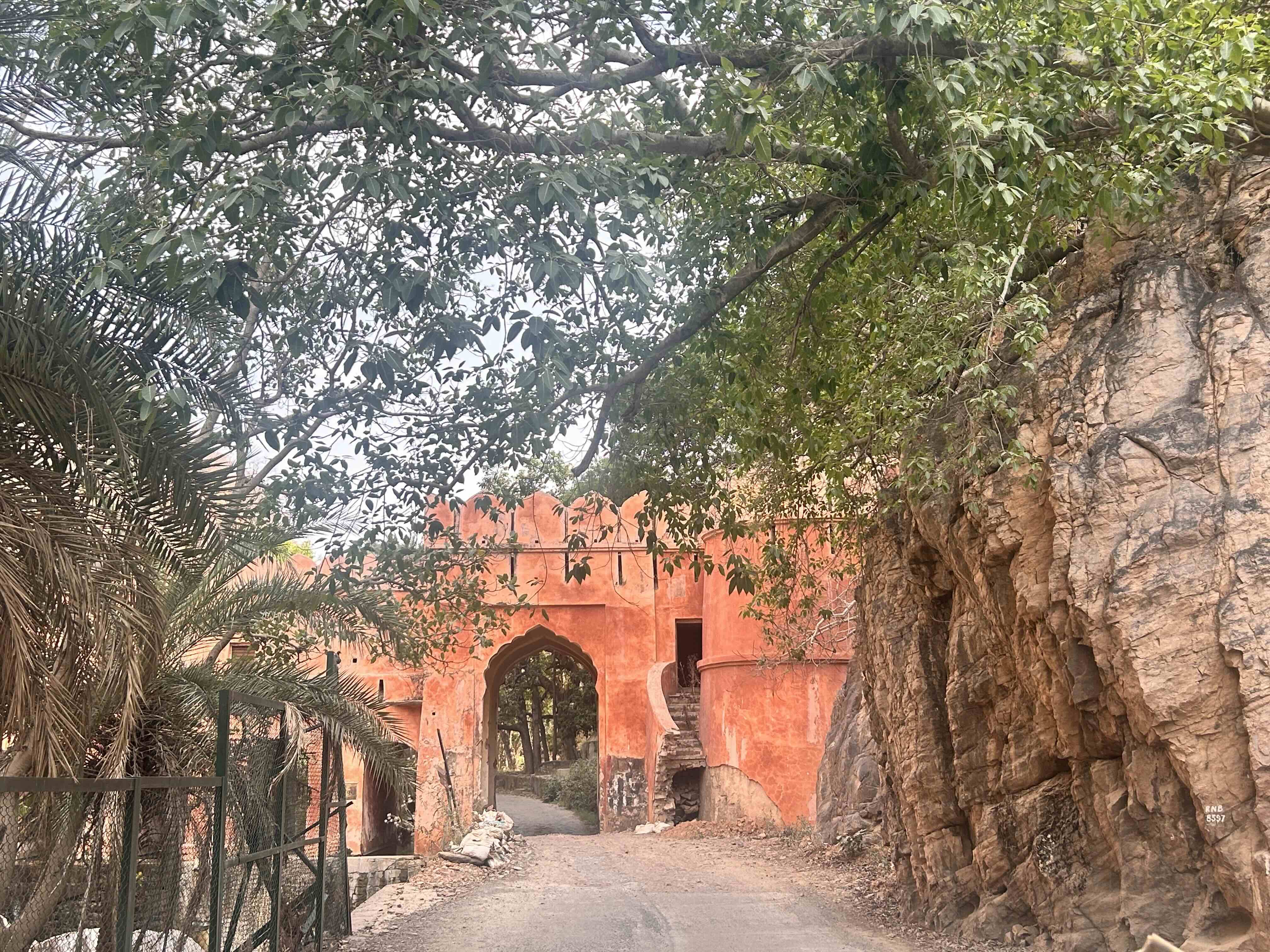
As we moved through the dry terrain, we noticed a sambar suddenly turn alert. Moments later, the unmistakable alarm call echoed through the trees. We stopped under the shade of a mango tree, waiting, listening, hopeful. But the call faded, and the forest returned to its stillness.
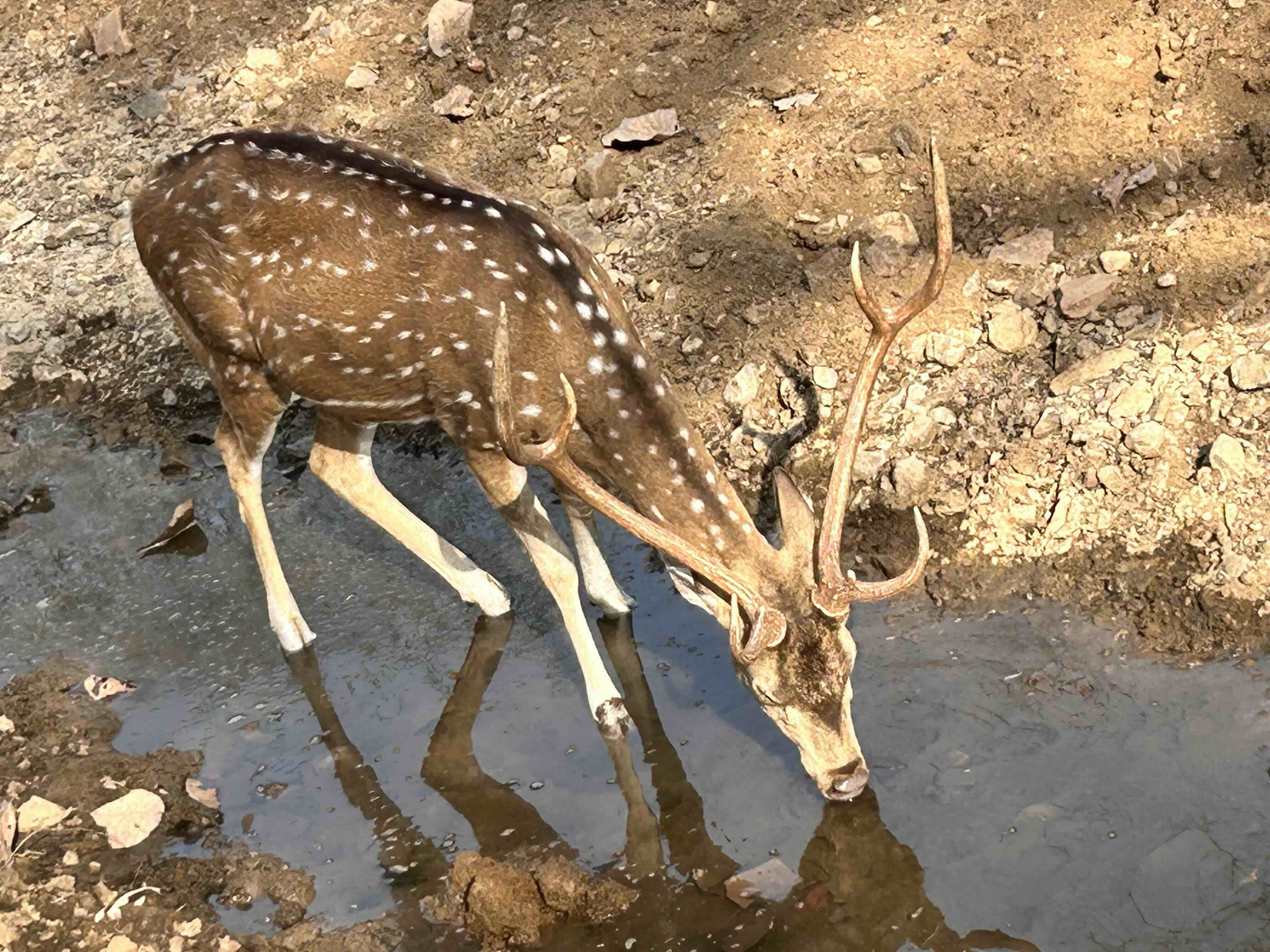
Once again, we traversed the zone with other vehicles, all asking the same question: “Have you seen the tiger?” We spotted a crocodile basking lazily, herds of deer, nilgai moving cautiously, and an array of birds, but the tiger remained elusive.
And yet, there was no disappointment.
There was, instead, a quiet sense of fulfilment. The rhythm of the jungle, the calls, the silences, the interplay of species, has a calming, almost meditative quality. Perhaps the absence of the tiger sharpened my awareness of everything else. The jungle revealed itself not through spectacle, but through subtlety.
Day two in Ranthambore, then, was not about the star attraction.
It was about the forest itself, unfiltered, unhurried, and complete in its own quiet way.

