Tag Archives: travel

Maa Comes home: Sashti


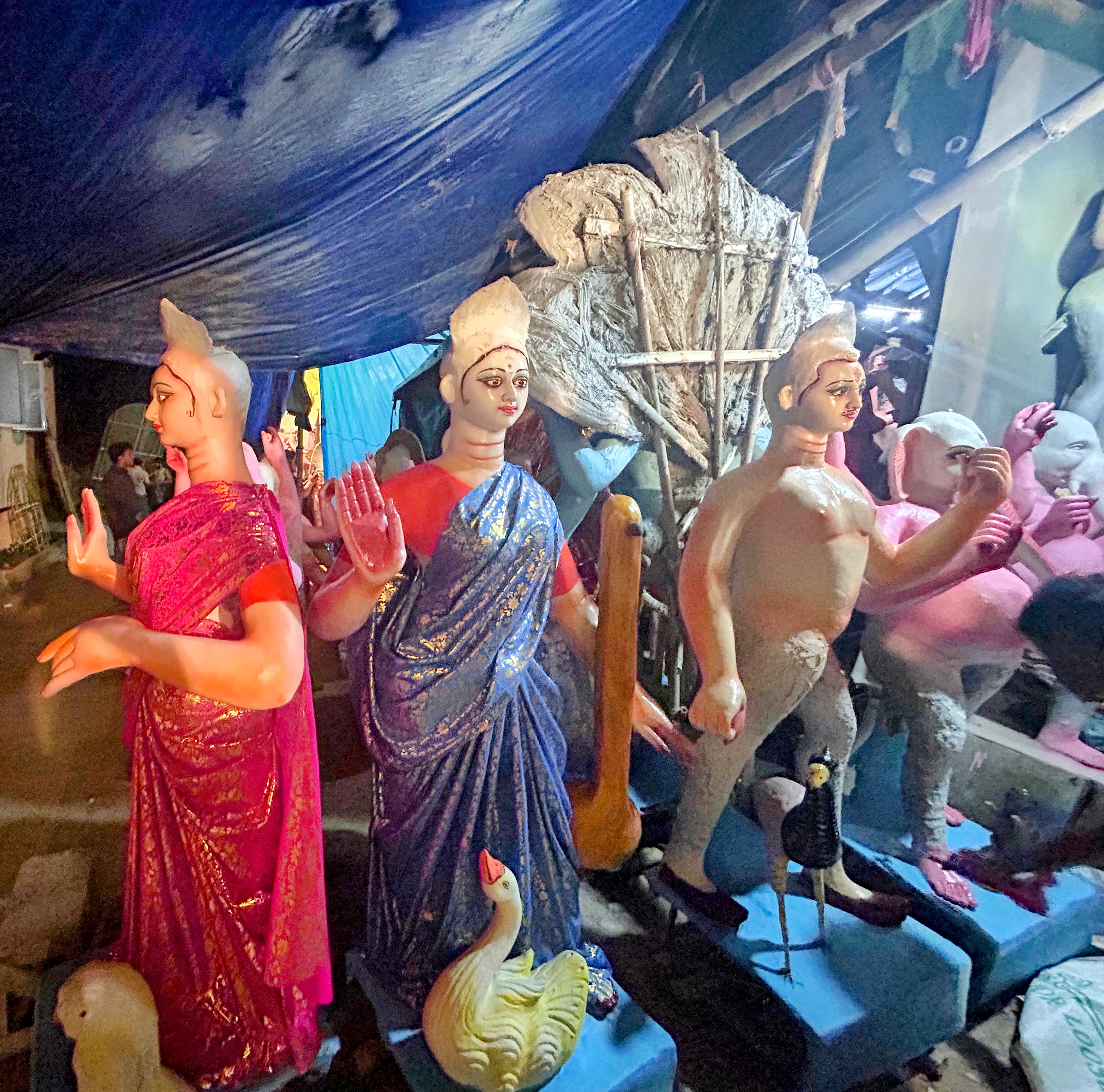
The day began at sunrise. My brother woke us up, reminding us that Chandi Puja was scheduled to start at 6 a.m. The quiet of the morning soon gave way to the rhythmic chants of shlokas, and with that the day unfolded into one steeped in devotion, tradition, and togetherness.

The Young Purohits: Tradition in New Hands
This year’s puja carried a unique touch — the rituals were conducted by a group of young purohits in their twenties. It was both heartening and reassuring to watch tradition being carried forward so earnestly. What struck me most was a young Purohit, a student doing his masters, reciting the Chandi Path with impeccable diction and clarity.
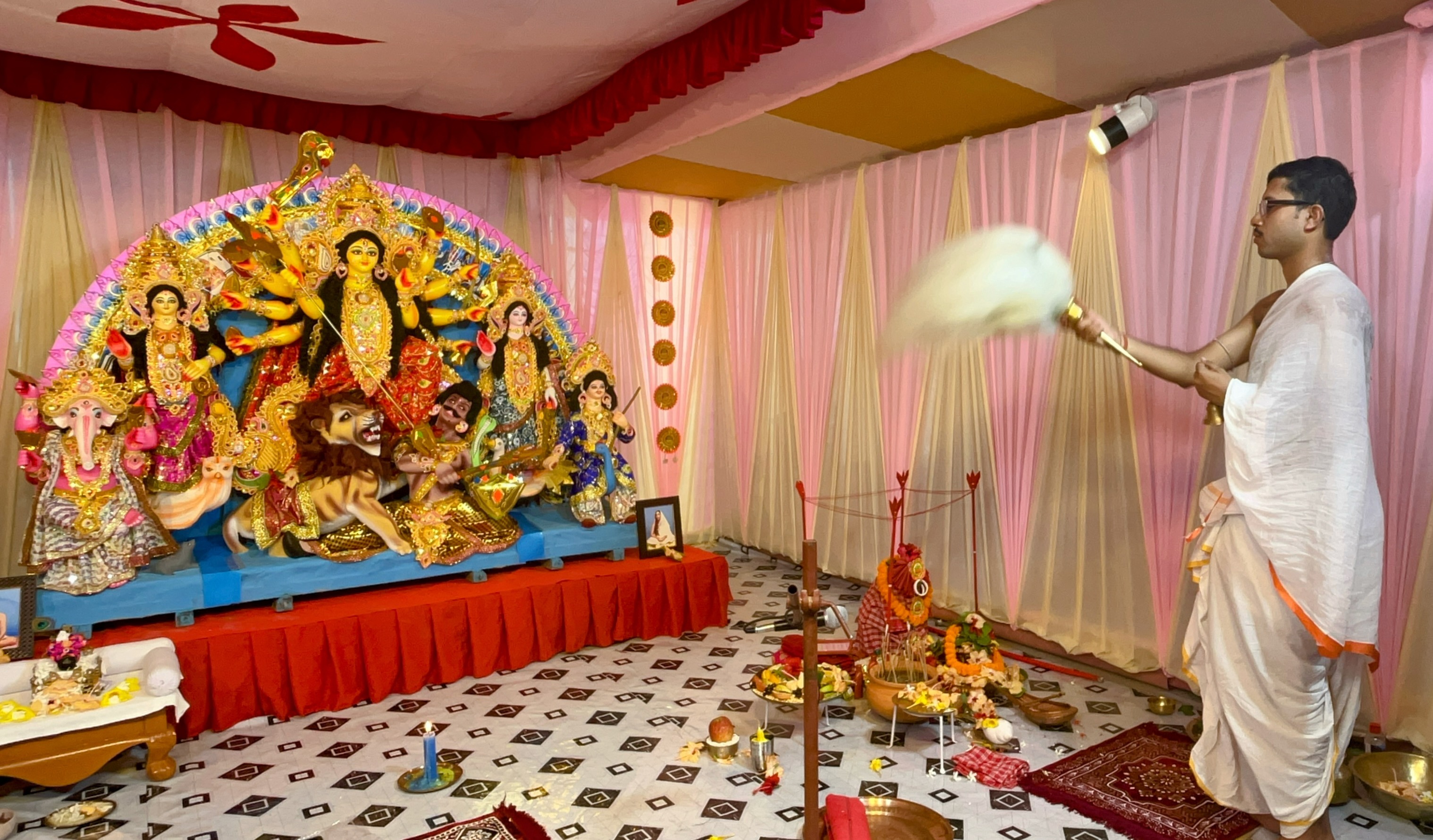
As I listened, memories came rushing back, of my childhood, when my eldest uncle would perform the Chandi Path. That sound had long been my only reference for this sacred recitation. Watching the next generation step into that role was a reminder of how rituals survive through continuity, transforming into lived heritage.

The Sacred Offering: Bhog-er Prasad
Around noon, it was time for the bhog-er prasad. This is not a meal in the conventional sense but a divine mash-up of everything offered to Maa — from lemon to Anna bhog to payesh. The mix, though unusual, always tastes heavenly, not only for its flavors but because it is sanctified as Maa’s blessing.

Evening Rituals: Sashti, Kola Bou and Pran Pratistha
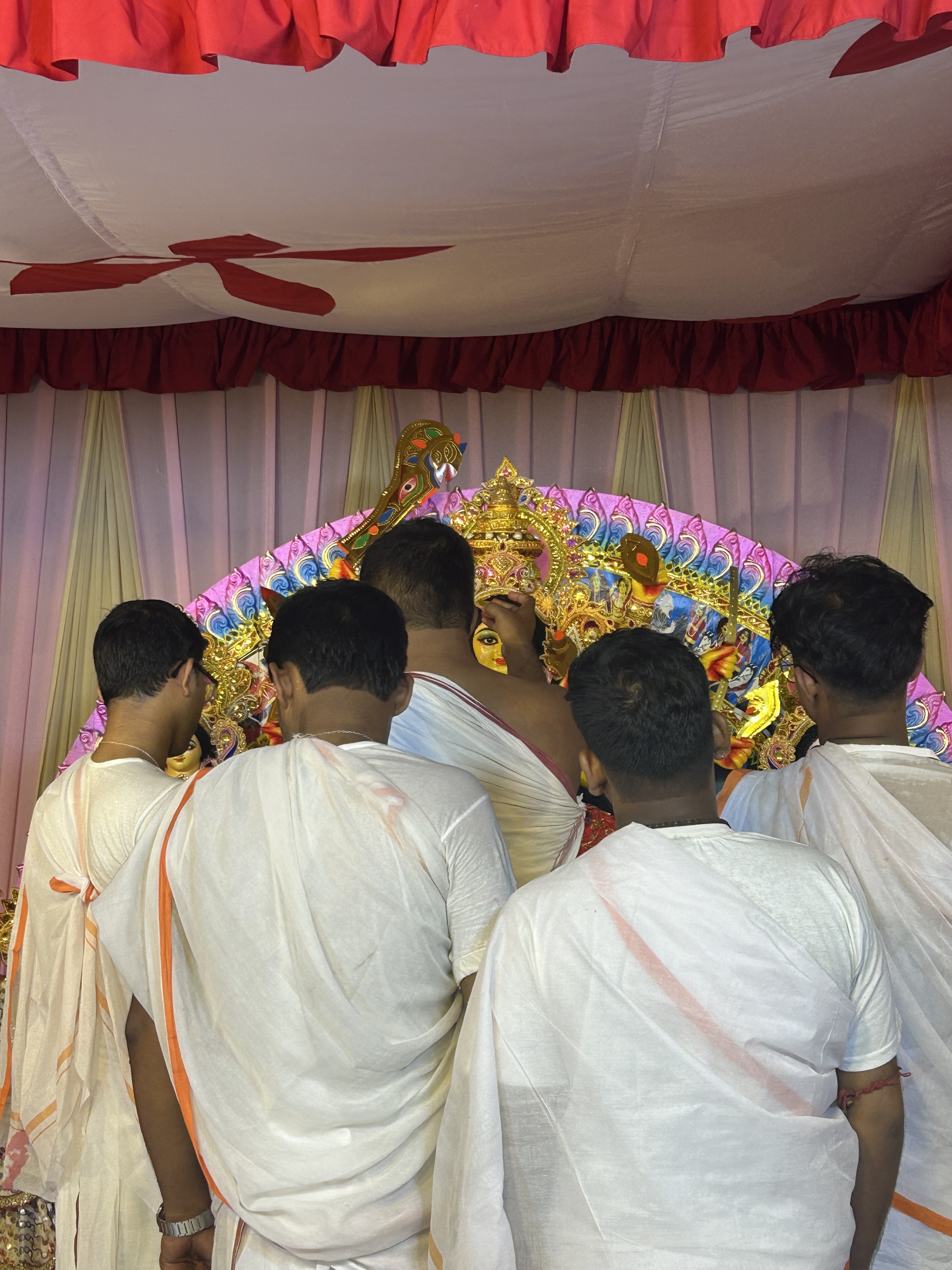
The evening brought with it the rituals of Sashti and the preparation of Kola Bou, symbolizing the nine sacred plants or Nabapatrika. Kola Bou reinforces our eternal connection with nature, reminding us that the festival is as much about celebrating divinity as it is about honoring the earth that sustains us. This was followed by the elaborate ritual of Pran Pratishtha, when life is invoked in the idol.
Beyond the Mandap: The Joy of Togetherness
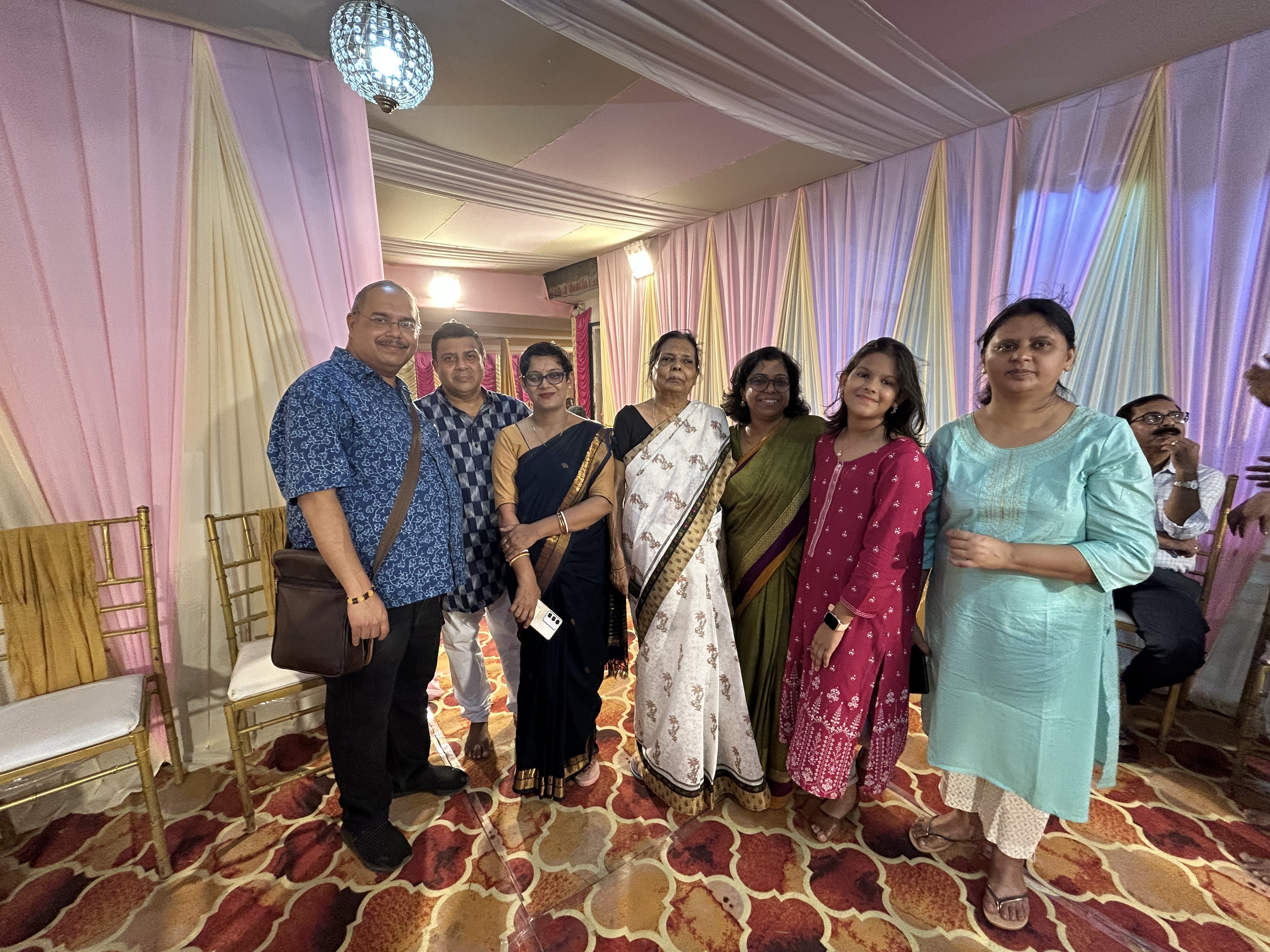
But puja is never just about rituals. It is about everything that happens around the rituals — the pranks, the eagerness to dress up, slipping back into the cool AC room after braving the heat of the mandap, and the endless adda sessions that spill over from morning to night. These moments are what bind families and generations, adding warmth to the devotion.
A Day to Remember
Chandi Puja is said to be an integral part of Durga Puja, yet for me it has always carried the memory of one elder’s voice, one family moment. Experiencing it in this way — led by the young, shared in the company of many, and accompanied by laughter and joy — made the day unforgettable.

Durga Puja is not just worship; it is living culture. It is where tradition meets memory, devotion meets joy, and Maa comes home in a thousand little ways.

When Maa Comes Home – Panchami

Durga Puja is special for every Bengali. But this year, it turned extra special. This year, Maa came home.

What does it feel like when Maa comes home?
It feels like months of planning and tons of shopping. It feels like chaos that somehow turns into joy. It feels like generations coming together—airport meetups filled with hugs, endless food, dressing up in silks and kurtas, and continuous adda sessions that carry through the night.

For me, Durga Puja has always been a community festival. My most vivid memory was from Kolkata, when our apartment complex organised the Puja—collective, chaotic, and deeply rooted in togetherness. I had only read about ghar-er pujo—Durga Pujas held at home—or seen them recreated in films. So when my cousin decided to organise one this year, I knew I had to be there.

And let me tell you, to call it “challenging” is an understatement. Durga Puja is often described as a Rajashik puja—one that kings performed. And here, a family carrying on this grand tradition at home.

I woke up before dawn, ran across airports to catch connecting flights, and landed in the sweltering heat and humidity of Silchar. It was Panchami—the fifth day of Navratri—and time for the first ritual, Bodhon, where Maa Durga is ceremonially invited.

The evening was filled with frantic activity when a power cut threatened to plunge everything into darkness. Out came our mobile phones, lighting up the puja mandap in a glow both modern and makeshift. But Maa, it seemed, wasn’t amused by this arrangement. The power cut lingered, and finally, generators whirred to life, bathing the mandap in light once more. Just when we thought we would melt away in the humid heat, the electricity returned—as if Maa had decided it was time to ease our troubles.

And then it began. The sounds of the conch, ulu, and dhak filled the air, announcing what our hearts already knew—
Maa had come home.

The Voice That Heralds Durga Puja: A Personal Journey Through Mahalaya

Conversations at Work and Cultural Crossroads

One of the joys of being in a diverse workplace is the daily discovery of traditions, rituals, and stories that colleagues carry with them. Over cups of tea or during lunch breaks, conversations turn into cultural exchanges — each person explaining their customs, sometimes teasing one another in their mother tongue, and often leaving everyone a little wiser.

A few weeks ago, I overheard a conversation between two colleagues — a Bengali and a Punjabi. The Bengali was explaining Mahalaya to the Punjabi. For most, Mahalaya simply marks the ending of Pitru Paksh across India. But for Bengalis, it means much more: it is the dawn that ushers in Durga Puja, the most awaited festival of the year.

The Unmistakable Voice of Tradition

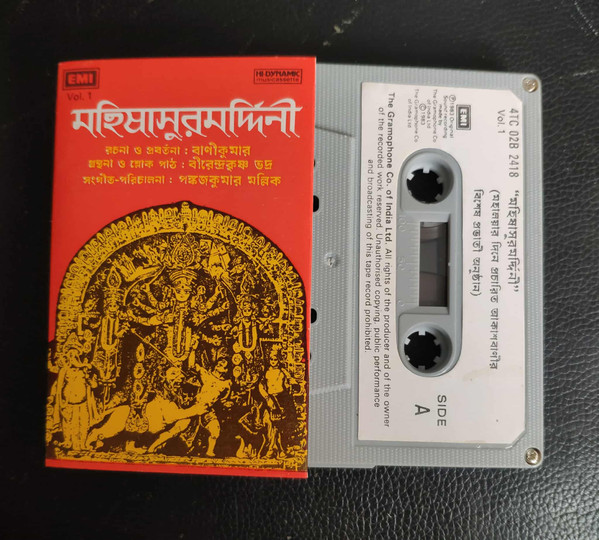
For anyone who is not Bengali — and has never heard Birendra Krishna Bhadra’s baritone narration — it is difficult to explain what makes Mahalaya so special. Since its first broadcast in 1931, All India Radio’s iconic programme Mahishasurmardini has become synonymous with the day. Scripted by Bani Kumar, set to music by Pankaj Mullick, and enriched with devotional songs by some of Bengal’s finest singers, the programme’s heart lies in Bhadra’s voice reciting the Chandi Path.

Generations of Bengalis have woken at dawn on Mahalaya to listen to this. The music, the chants, and above all, Bhadra’s voice signal that Durga Puja is just around the corner.

Childhood Rituals and the Magic of Radio

My own memories of Mahalaya go back to childhood. A day before, my father would carefully tune the radio to catch the AIR frequency and then place it by the bedside. An alarm was set for 4 a.m., and when it rang, I would awaken not to the sound of a bell but to Bhadra’s sonorous voice filling the room.

Later, when cassettes of Mahishasurmardini became available, families eagerly bought the two-cassette set. It meant one could listen anytime, without waking up before dawn. Yet, the cassettes never quite captured the magic. The ritual of rising in the pre-dawn darkness, with the crackle of the radio and the collective stillness, held its own irreplaceable charm.

When Change Met Resistance

Technology wasn’t the only agent of change. In the late 1970s, when Uttam Kumar reigned as the Nayak of Bengali cinema, All India Radio attempted to recreate the programme. With narration by Uttam Kumar and music by Hemanta Mukherjee, the new version was expected to captivate audiences. Instead, it sparked a massive backlash. For listeners, replacing Bhadra’s voice felt like sacrilege. The experiment failed, and AIR never tampered with the original again.

For my family, this story carried its own humour. My mother, a devoted Uttam Kumar fan, was disappointed, while my father — who never cared much for Uttam’s acting — recounted the “failure” with a gleeful chuckle every year. Decades later, the controversy found its way onto the silver screen in the 2019 film Mahalaya.

Rituals in a Changing World

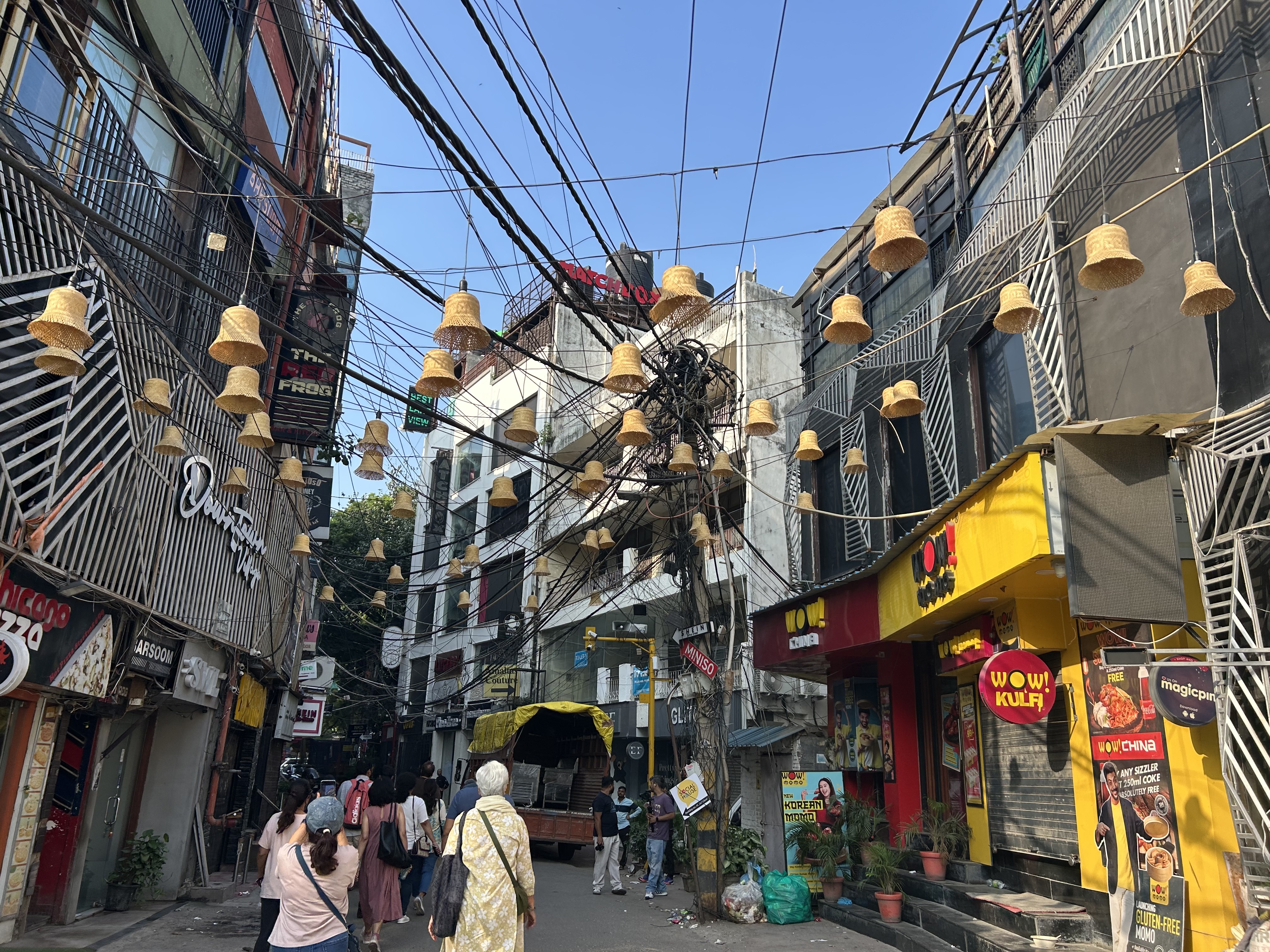
Today, the world is very different. Technology has transformed how we consume tradition. Yet, Puja is the anchor of a Bengali’s calendar. Yesterday, I went to CR Park, the hub of Bengalis in Delhi, and it was almost as if I had been transported. A book fair, a saree mela juxtaposed with cultural performances seemed to signal that Pujo had begun.

This morning, I found myself using the Spotify app at 4 a.m. and beginning my day with Bhadra’s immortal narration. The medium has changed, but the ritual remains.

As Uttam Kumar’s character says in the film Mahalaya: “Birendra Krishna Bhadra’s voice is Durga Puja.” Indeed, for Bengalis everywhere, the festival begins not with the idol-making, not with the lights or the pandals, but with a voice — deep, resonant, and timeless — announcing that the Goddess is on her way.

‘Maa asche’

A Sunday Morning in Hauz Khas: Walking Through Layers of Time

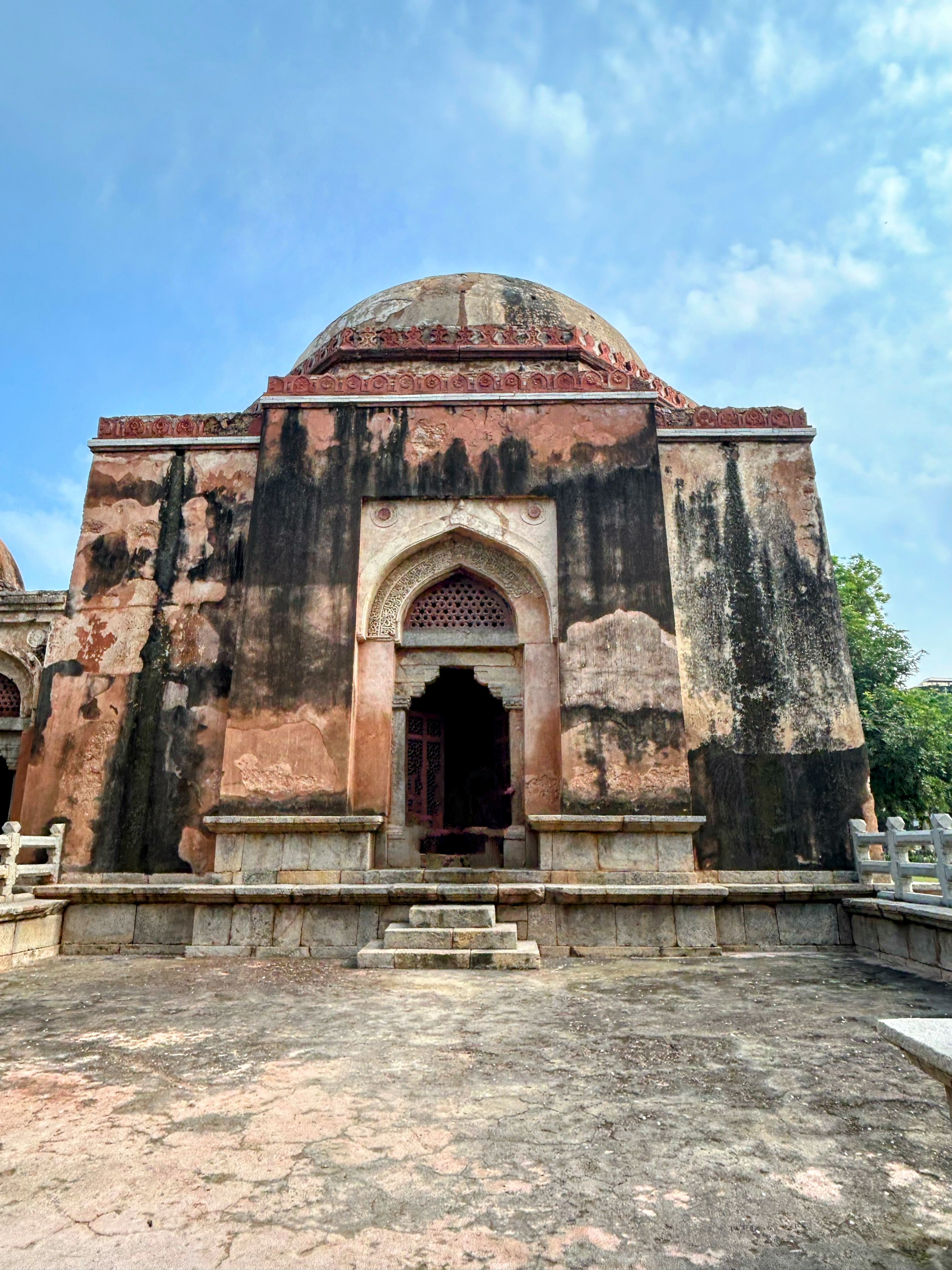
Hauz Khas has always been that buzzing South Delhi address — synonymous with nightlife, chic cafés, designer boutiques, and a medley of world cuisines. For me, it had long existed as that happening urban village, where the city comes to unwind. Someone had once mentioned there were “some old monuments” tucked away there, but then, Delhi has monuments scattered like punctuation marks in its long, layered history.

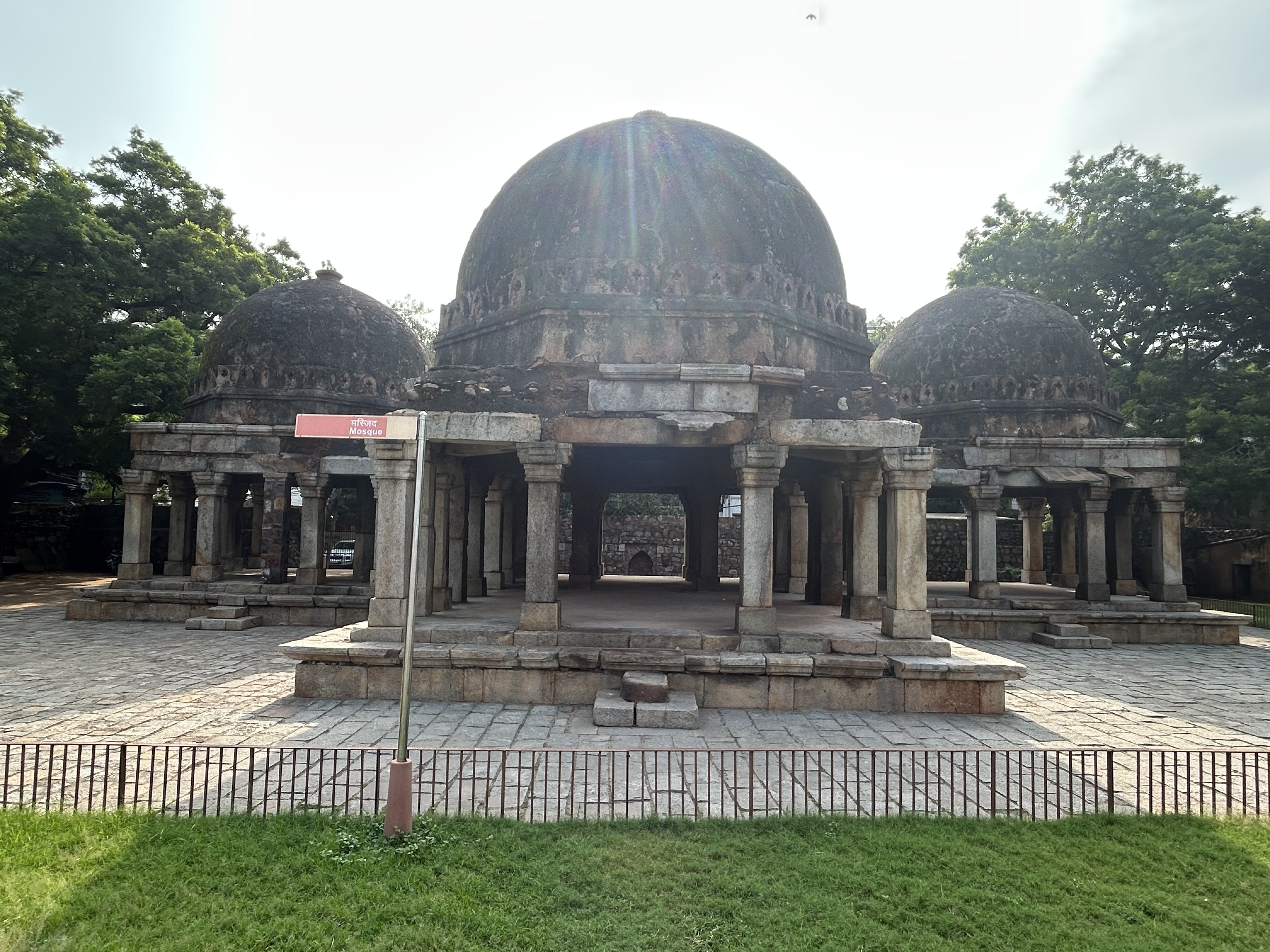
So when an email from INTACH dropped into my inbox about a heritage walk through Hauz Khas, curiosity nudged me to sign up. That is how, on a quiet Sunday morning, I found myself standing with fellow history enthusiasts at the gates of the Hauz Khas mosque — ready to peel back the centuries, guided by the brilliant storyteller Ratnendu Roy.


Stepping Into a Medieval Campus

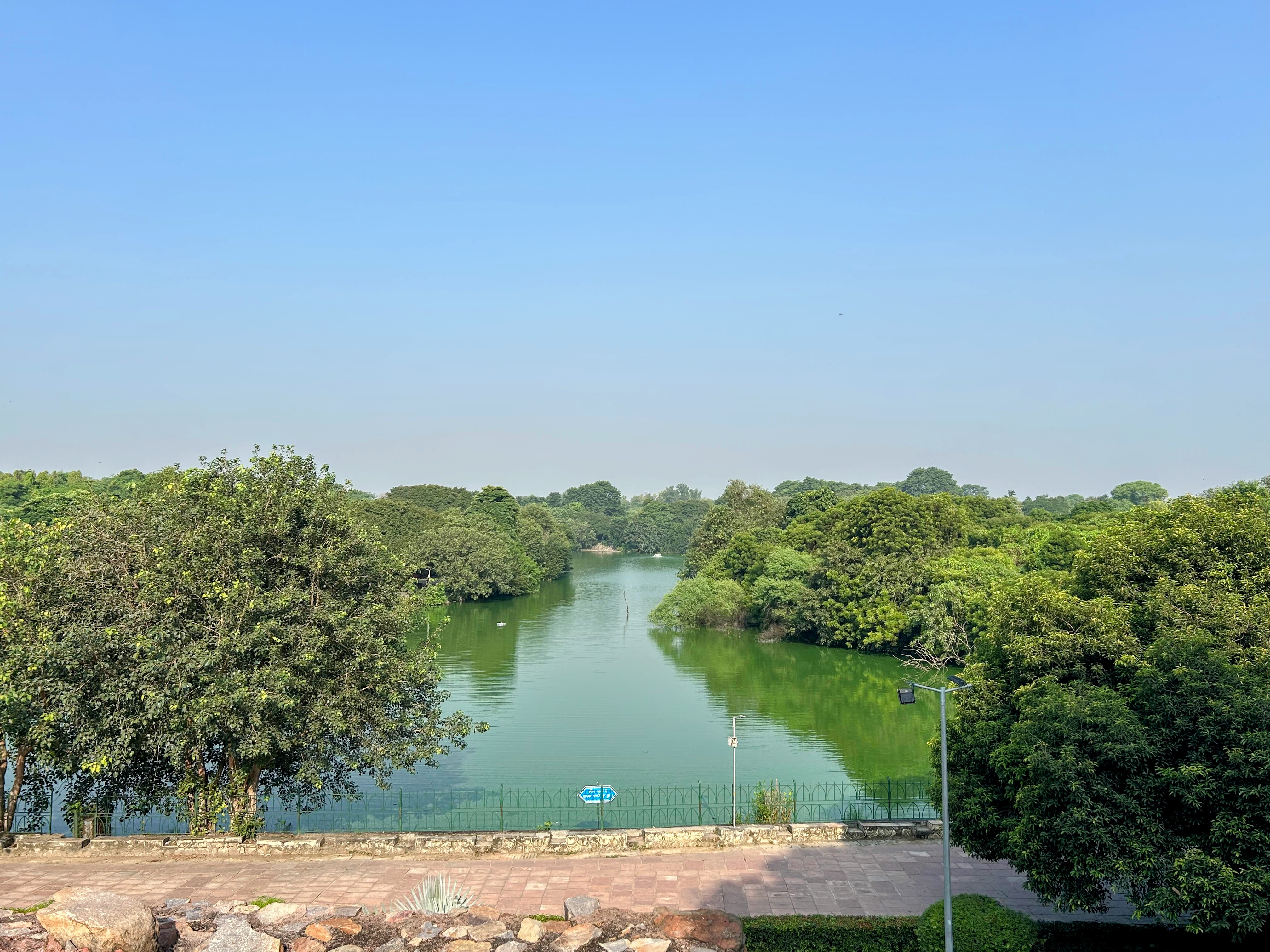
Hauz Khas was originally built by Alauddin Khilji and reached its pinnacle under Firoz Shah Tughlaq. As we walked into the mosque and madrasa complex — complete with hostel cells once meant for students — it was easy to imagine its glory days: serene gardens, the expansive water tank shimmering beyond, and scholars breathing life into its stone corridors.

Tucked within the complex are several tombs, the most prominent being that of Firoz Shah himself. Legend has it that the surrounding village grew as an ecosystem around this premier centre of learning. Even today, gazing out from the madrasa’s colonnaded windows towards the hauz (reservoir), the scene feels remarkably tranquil — as if time has paused just for a moment.


From Forgotten Village to Trendy Hotspot

Hauz Khas village lay largely forgotten until the mid-1980s, when designers and café owners “discovered” its rustic charm. Boutiques sprang up in old village homes, and the area morphed into Delhi’s go-to party destination. Yet behind the neon signs and polished façades, you can still spot the original mud-brick houses — a whisper of the village it once was.

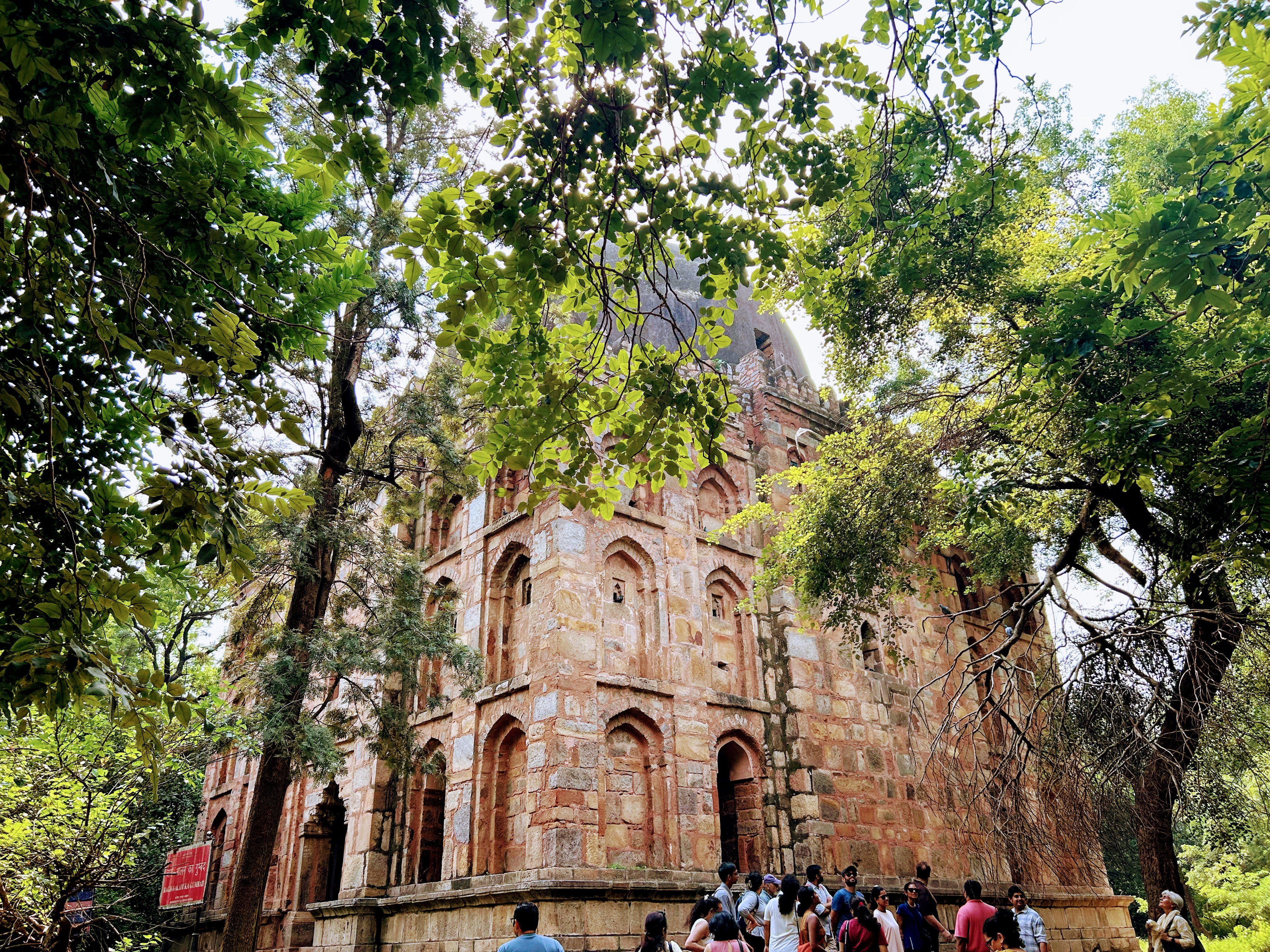
A short stroll led us into the lush Deer Park. It is one of those rare green islands in Delhi where city sounds dim into silence. Joggers, families, and groups of friends dotted the winding paths. Within its leafy expanse stand two medieval gems: the Lodhi-era Bagh-e-Alam ka Gumbad, said to have taken inspiration from Firoz Shah’s tomb, and the diminutive Kali Gumti, whose cenotaph has vanished into history’s mists.


Munda Gumbad and the Whisper of the Wind

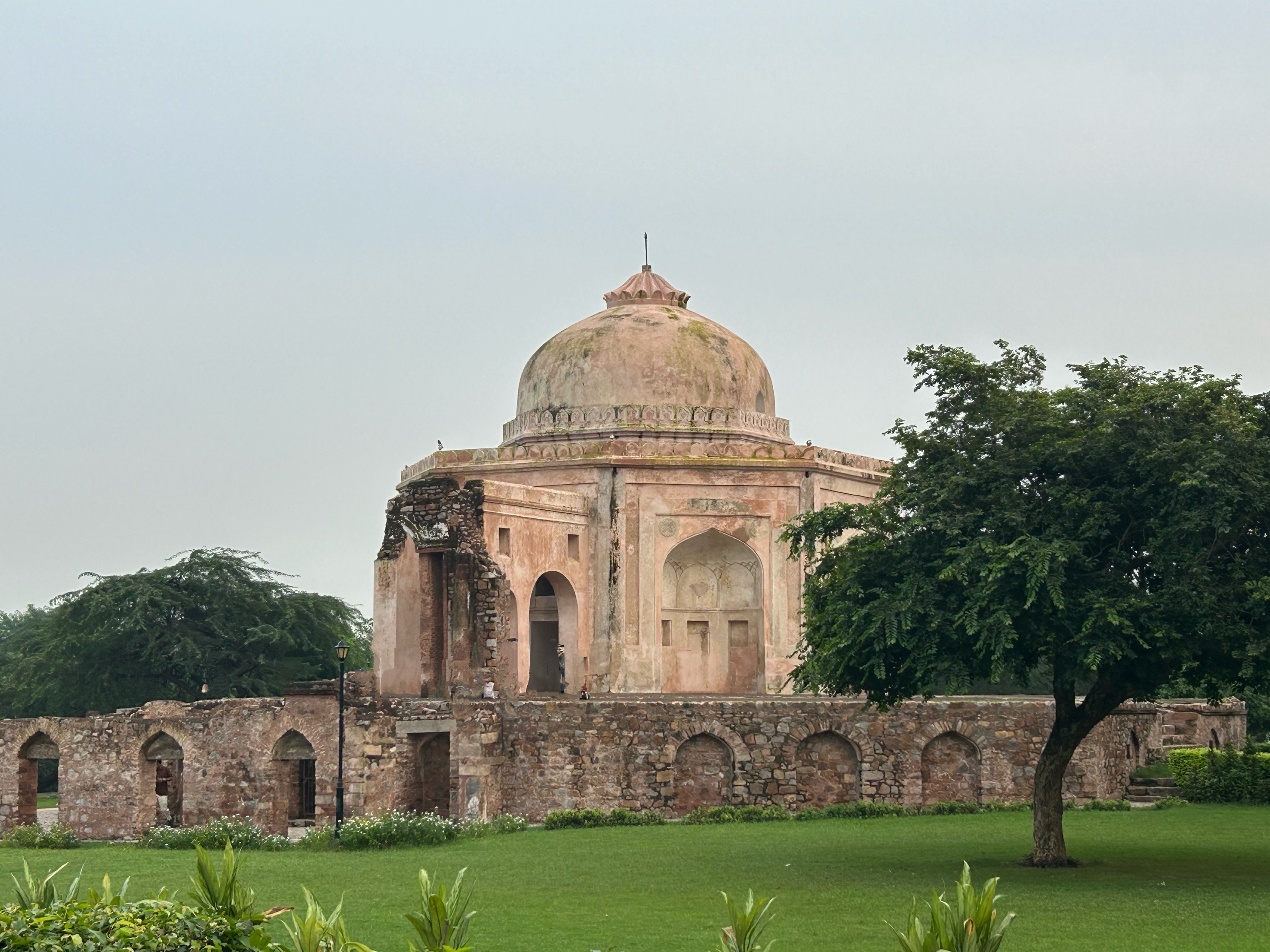
The walk ended at Munda Gumbad — literally the “headless dome” — a pleasure pavilion once located on an island in the middle of the reservoir. Encroachments have since pushed the water’s edge far back, but the charm lingers. Climbing the short steps, I was met with a 360° panorama: the green canopy of the park, the stone silhouettes of monuments, and the glimmering water. A soft breeze wrapped around us, and I found myself imagining an earlier time — boats gliding across the water, ducks splashing, and royalty reclining under the dome to escape the summer sun.

As we were walking towards the Munda Gumbad, a sudden rustling and cacophony above made us look up — a massive colony of bats hung like dark fruits from the branches overhead. I had never seen so many at once; they seemed like watchful guardians of the place’s secrets.


Threads Between Past and Future

Along the walk, our conversations meandered — from vandalised monuments and encroached heritage zones to the challenges of restoration, the scarcity of funds, and the lack of public awareness. It struck me then: history is not just an episode of the past. It is a thread that connects us to the future — a legacy to be understood, protected, and cherished.

A Sunday morning, well spent. A city rediscovered.

Purana Qila and Me: A Sunday Rediscovery

The Rant Before the Romance

Let’s get this out of the way — navigating to Purana Qila or even the Delhi Zoo is a task that tests patience. You’d imagine that such landmark institutions would be well-marked, but no. The absence of clear road signage makes you meander through a confusing network of turns and traffic. You arrive more relieved than excited. Rant over.

First Glimpses, Lasting Impressions

My relationship with Purana Qila began from a distance. I first came to Delhi in 2003. Living in Noida and working in Connaught Place, my daily commute via Mathura Road brought me past those imposing fort walls. Every day, I’d glance at them and wonder — what stories do those stones hold?

But like many things in life, wonder didn’t translate into action. During those five years in Delhi, I never crossed the threshold.

A Scorching Start

Years later, Delhi called me back. This time, I finally entered the fort — albeit during one of its infamous blistering summers. The heat was relentless, and the visit brief, rushed, and largely overshadowed by the lure of an air-conditioned retreat.

This Sunday: A Walk Through Time

Last Sunday, I joined a heritage walk with Enroute Indian History. The experience was different — thoughtful, immersive, and filled with the kind of stories that give walls a voice.

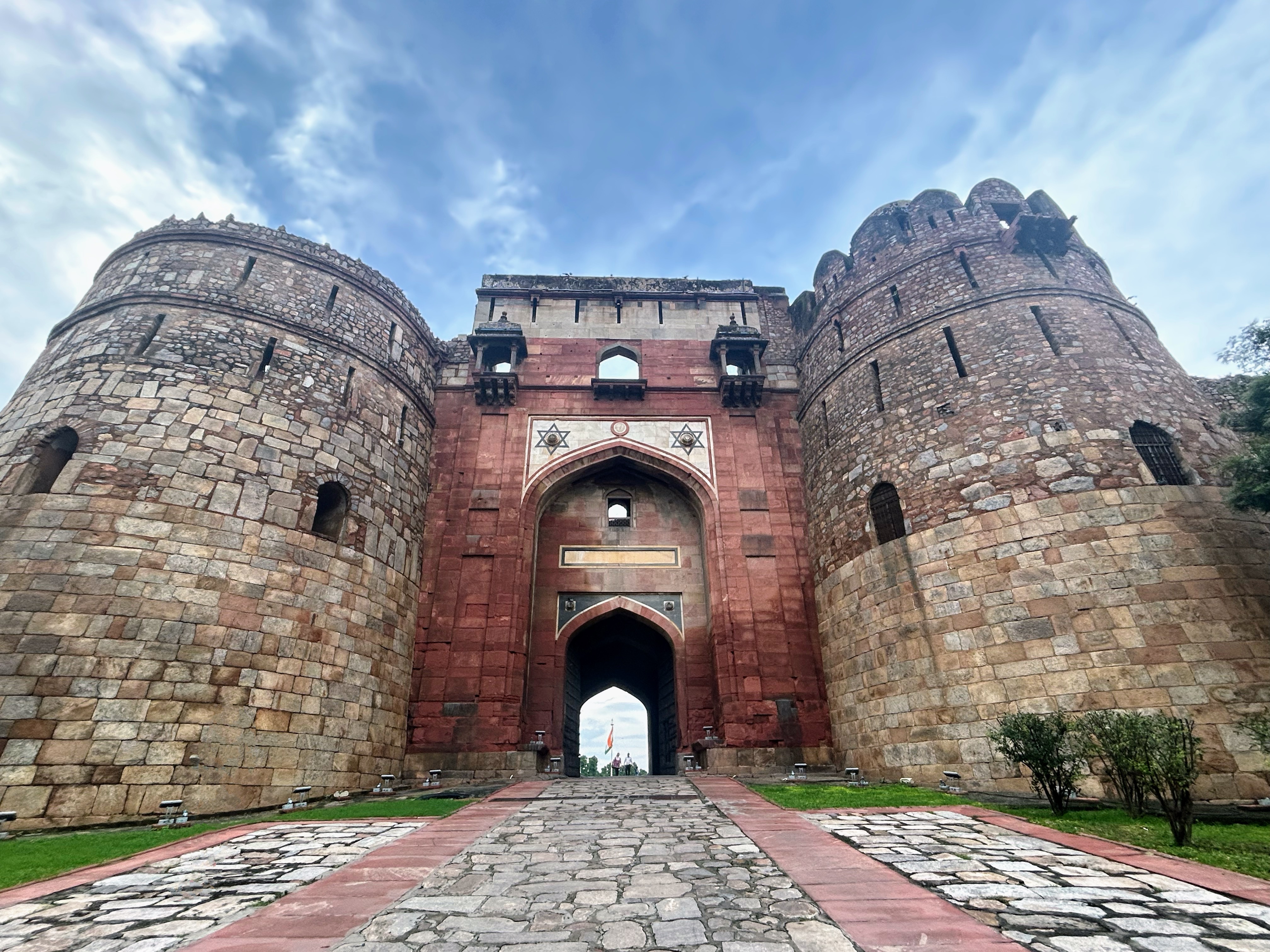
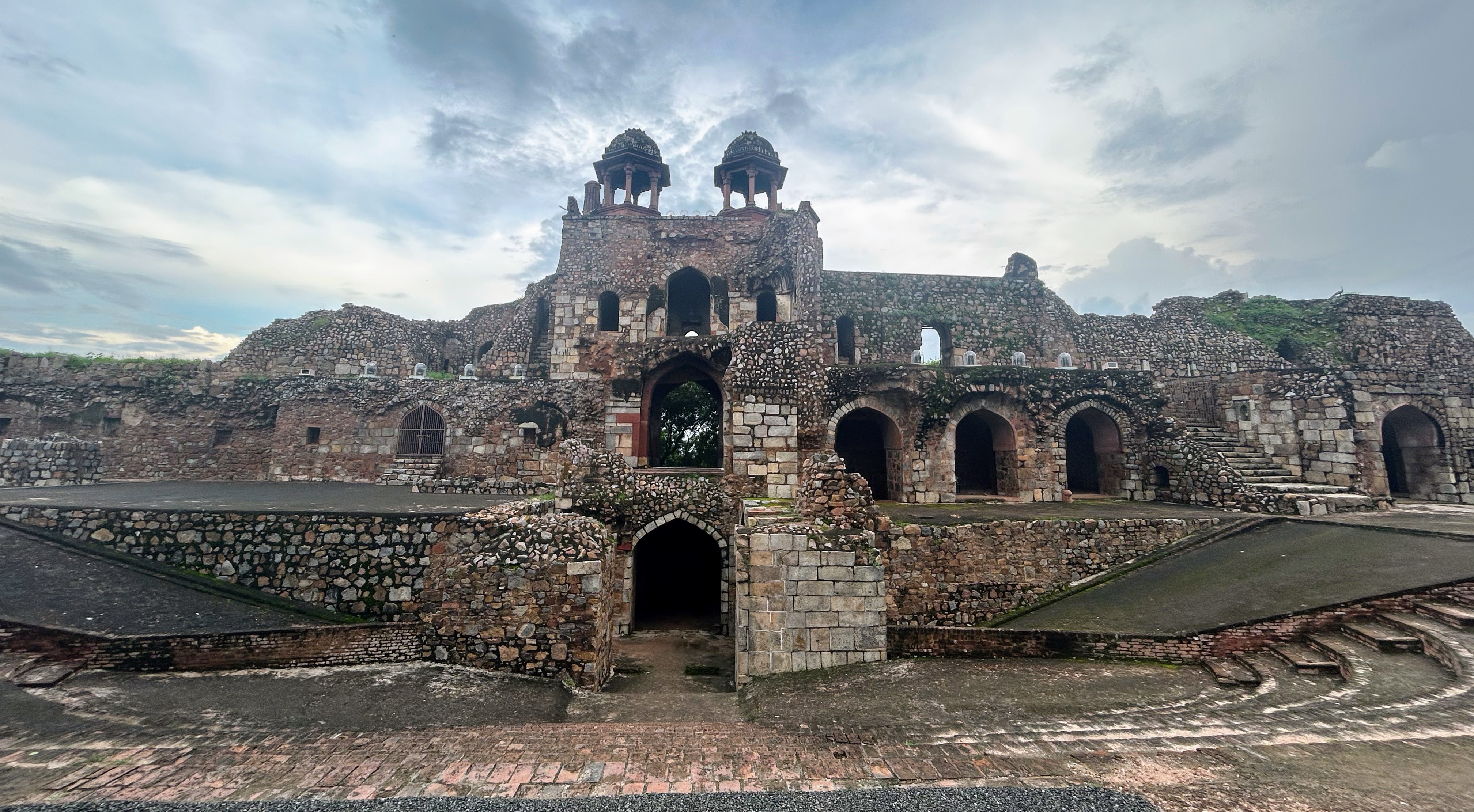
Purana Qila, they said, was built on the ruins of history itself. The Mughal emperor Humayun built his capital, Dinpanah, here. His rival, Sher Shah Suri, later took over, expanding and fortifying the structure into what we now see — layers of ambition etched in sandstone.

The Talaqi Darwaza Mystery

We stopped at the Talaqi Darwaza — a magnificent gateway sealed shut for nearly 200 years. The River Yamuna used to flow next to the fort, and one can still see the boat landings at the Talaqi Darwaza and Humayun Darwaza. We were told no one had walked through it in generations. And then, as if summoned by our collective curiosity, a small pedestrian door in the grand gate creaked open. A workman stepped through. Our group rushed toward the passage, only to be gently turned away by the guard. Restoration work, he said. The door may have opened, but not for us.

A glimpse of the forbidden. A tease of time.

Qila-i-Kuhna Mosque: Geometry and Grace

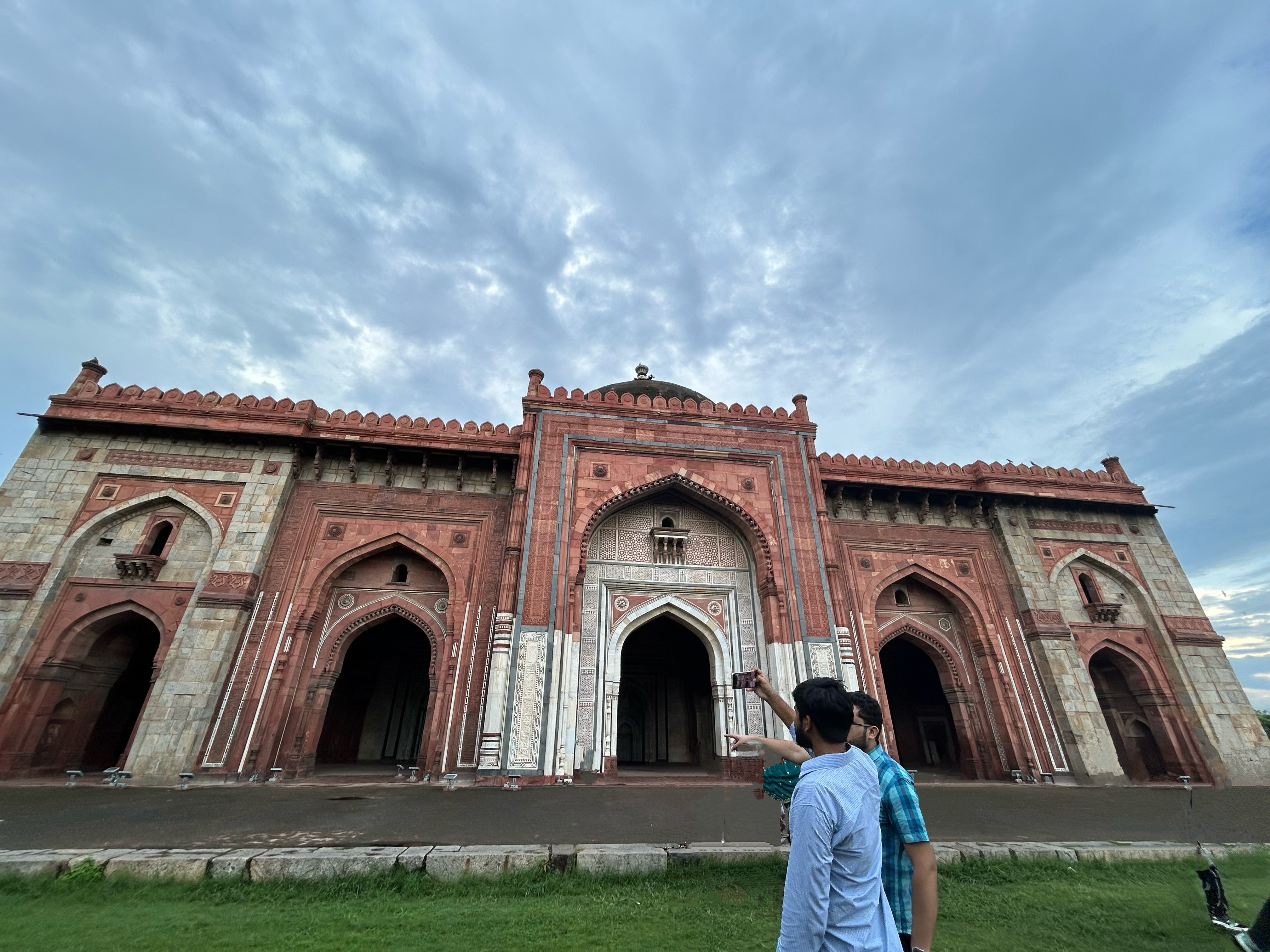
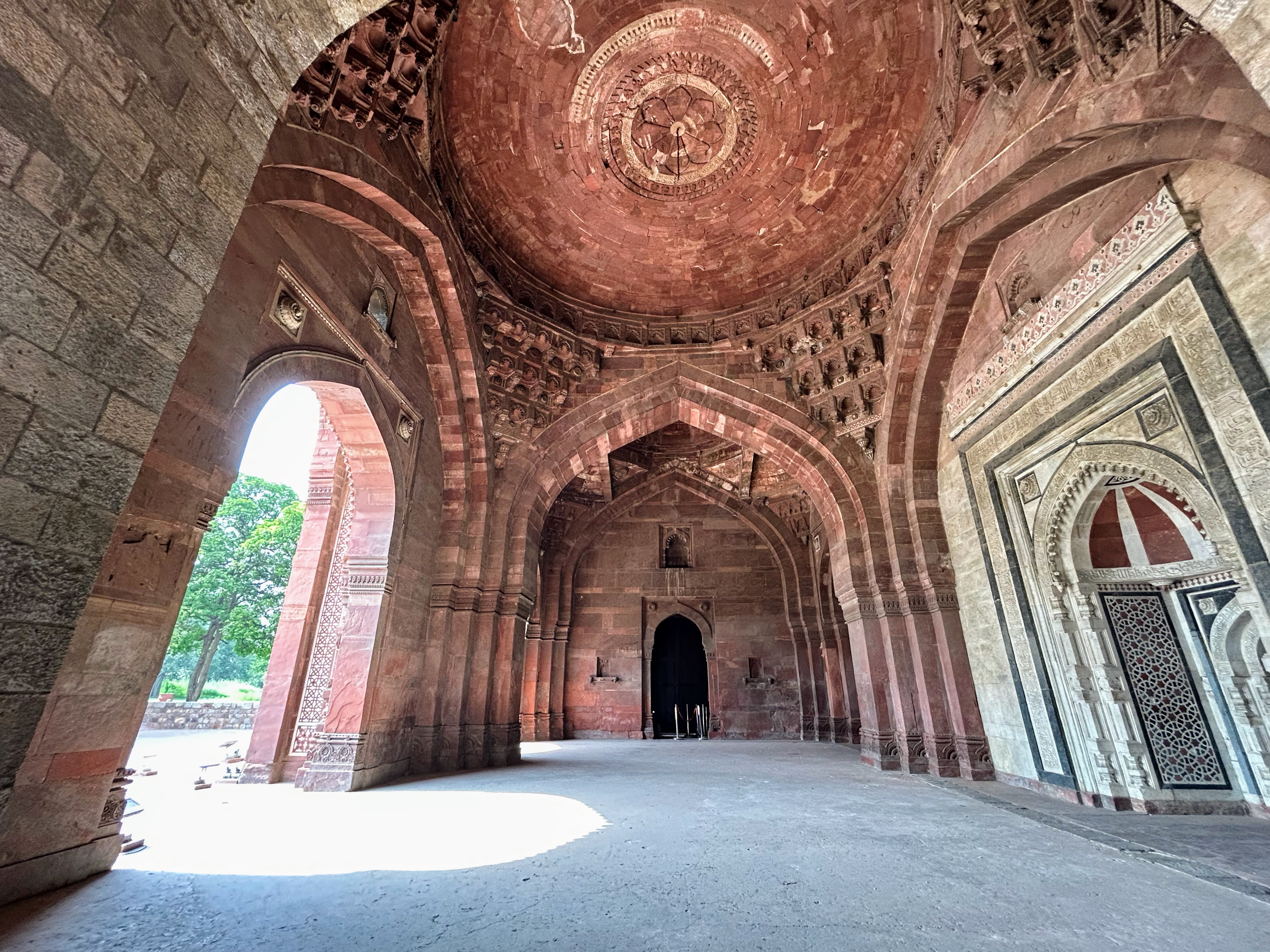
We moved next to the Qila-i-Kuhna Mosque, a corner masterpiece built by Sher Shah. Its intricately carved arches and calligraphy revealed a confluence of power and piety. The upper floor — once reserved for women — hinted at a forgotten intimacy within this public space of worship.

The Baoli: Secret to Sustenance

To counter Delhi’s relentless summers, the fort holds a baoli — a deep stepwell, once connected to the royal hammam through terracotta pipes. It whispers of ancient engineering and the luxury of cool retreats.

Sher Mandal: A Tragic Legacy

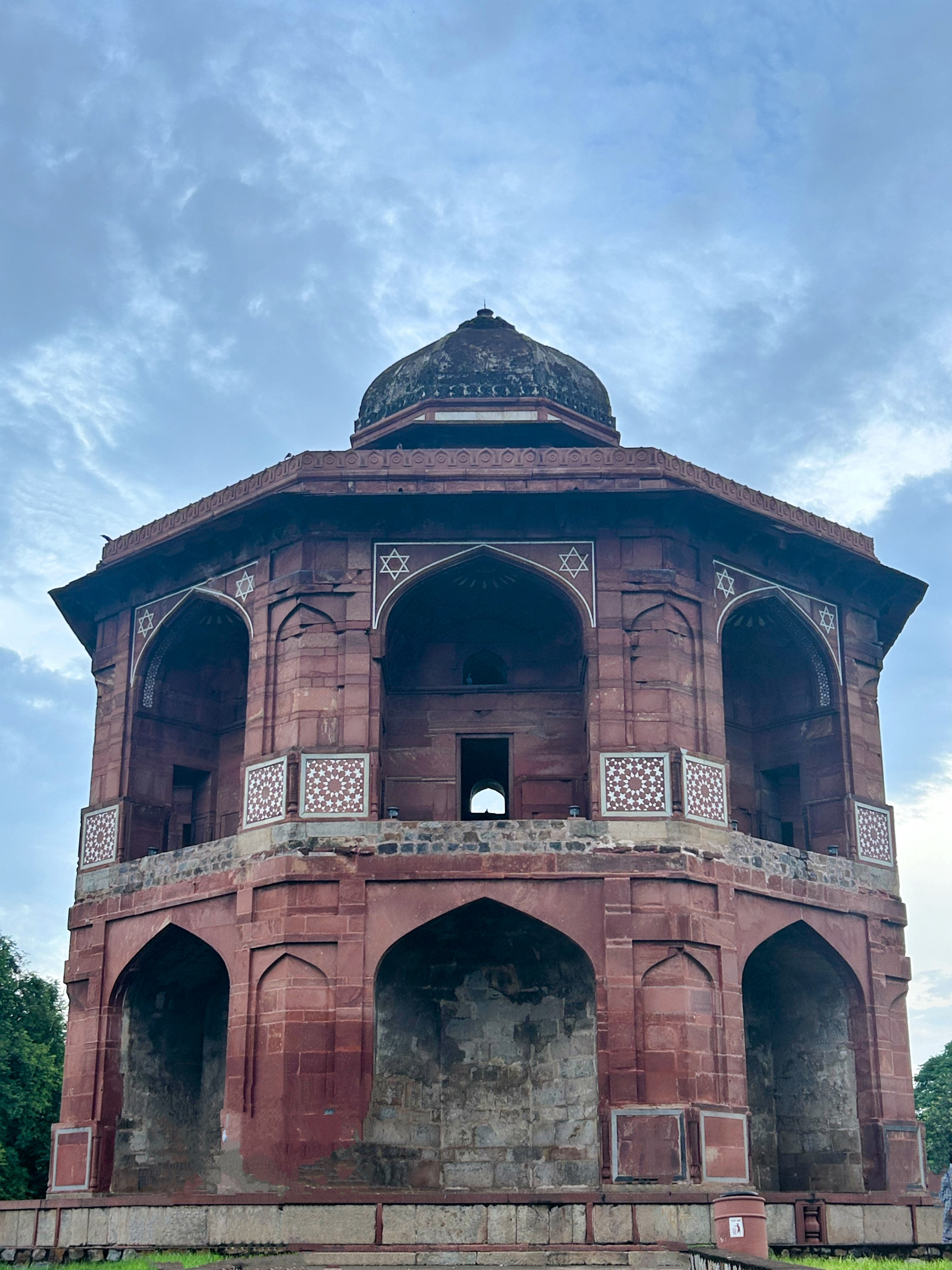
Near the baoli stands the octagonal Sher Mandal, once used by Humayun as a library and astronomical observatory. Ironically, this beautiful tower is where he met his tragic end — falling down its steps after hearing the call to prayer.

Traces of the Lost Village

Few today know that a village once thrived within these very walls. The British cleared it out, leaving no trace. Just open lawns and an eerie sense of absence.

Kunti Mandir: Myth Meets Stone

And then, a mythic interlude. Within the fort stands a modest Kunti Mandir, said to link the fort to Indraprastha of the Mahabharata. Not well-preserved, yet quietly potent — a link between epic pasts and empirical history.

From Wondering Outside to Wandering Inside

What was once a fleeting glance from a car window is now a lingering memory. From the outside to the inside, from myth to masonry, from stories overheard to stories remembered — Purana Qila finally revealed itself.

And with that, my Sunday was well spent.

Walking Through Time: Mehrauli Archaeological Park

Delhi is often said to be a city of seven historical cities, each founded by different rulers and woven together to form the capital as we know it. Among them, Lal Kot or Qila Rai Pithora is believed to be the first city of Delhi, located in present-day Mehrauli.

This Sunday, I joined a walk by Enroute Indian History inside the Mehrauli Archaeological Park. Spread across undulating terrain, the park houses nearly 55 archaeological monuments—some documented, others fading into obscurity, their stories lost to time.


Jamali Kamali Mosque & Tomb

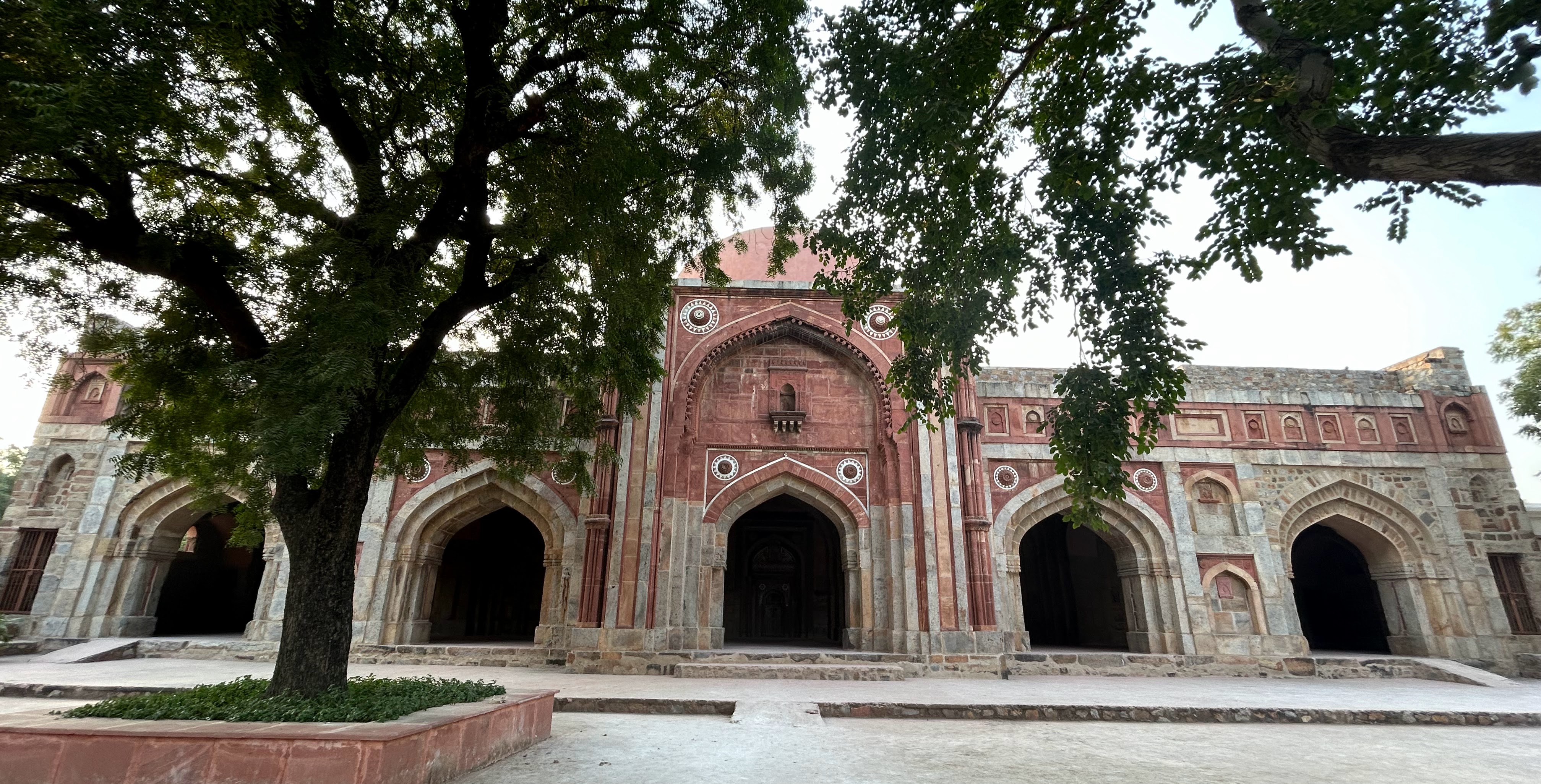
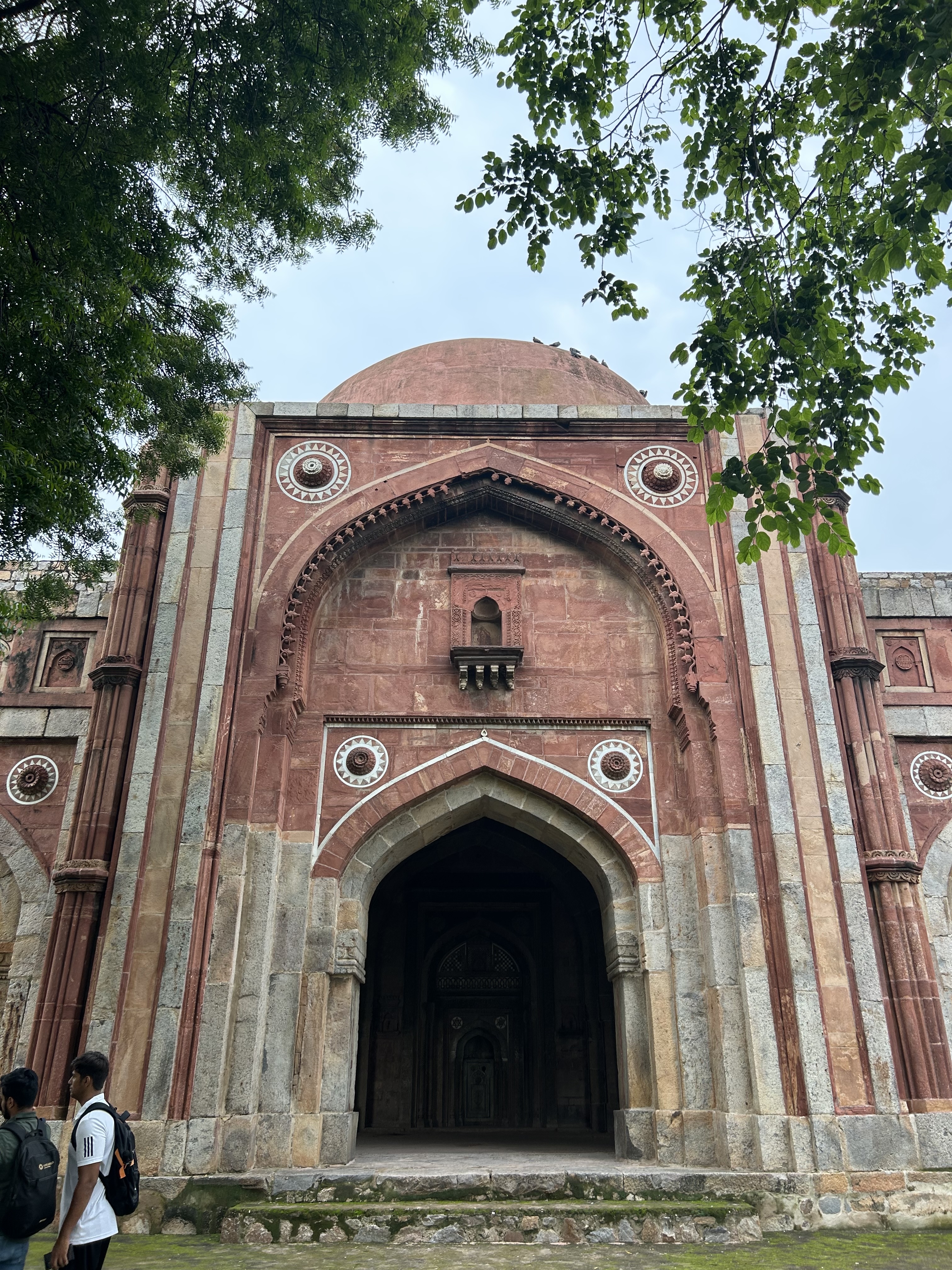
Our walk began at the Jamali Kamali mosque, dedicated to Shaikh Fazlullah, also known as Jamali—a courtier of Sikander Lodhi who later fought and died for Humayun.

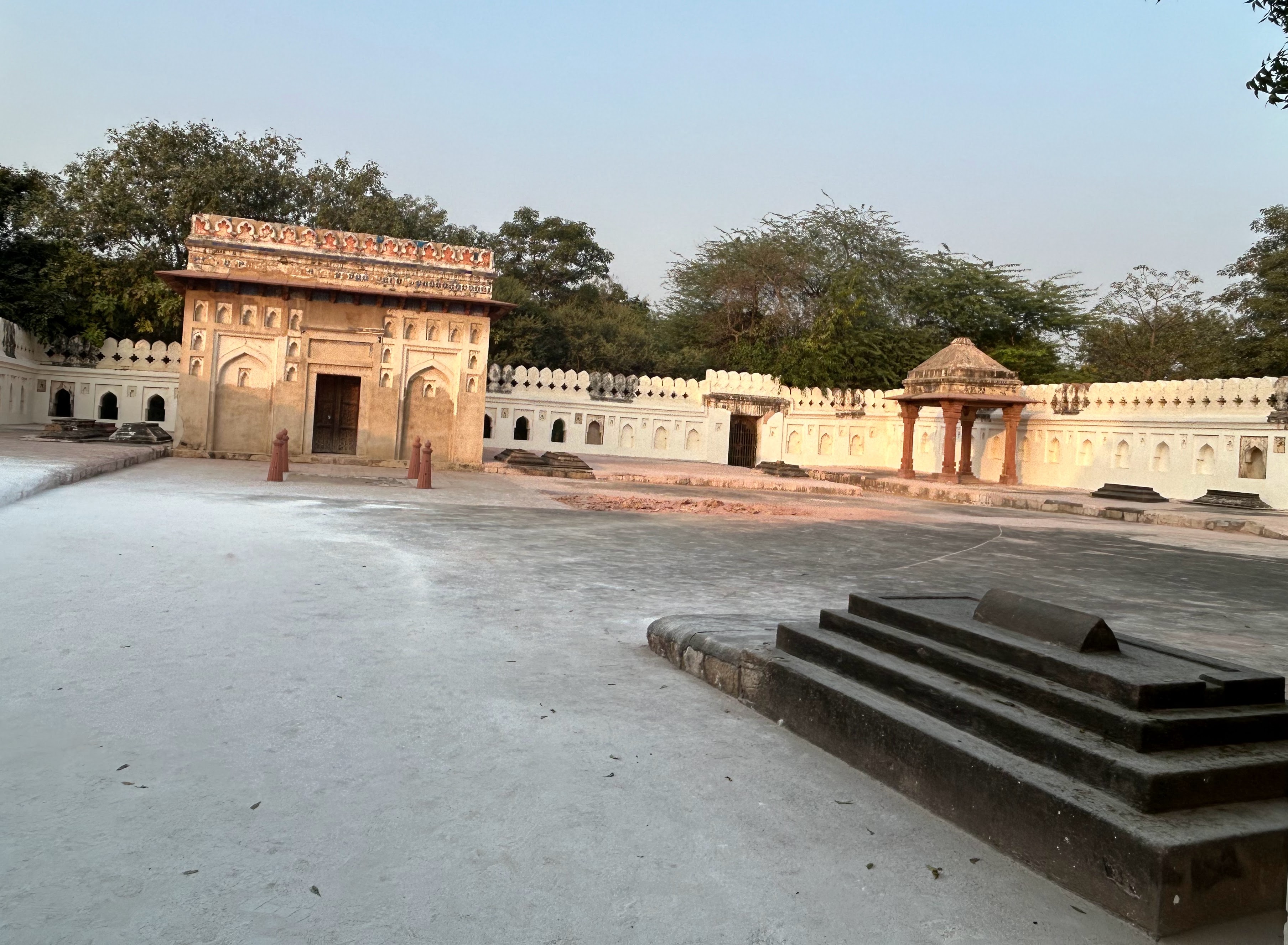
Beside the mosque lies a locked chamber, believed to be the resting place of Jamali and Kamali. The identity of Kamali is cloaked in folklore; some accounts call him Jamali’s beloved. Both are said to be buried together in this compound, a rare tale of intimacy and companionship from medieval Delhi.

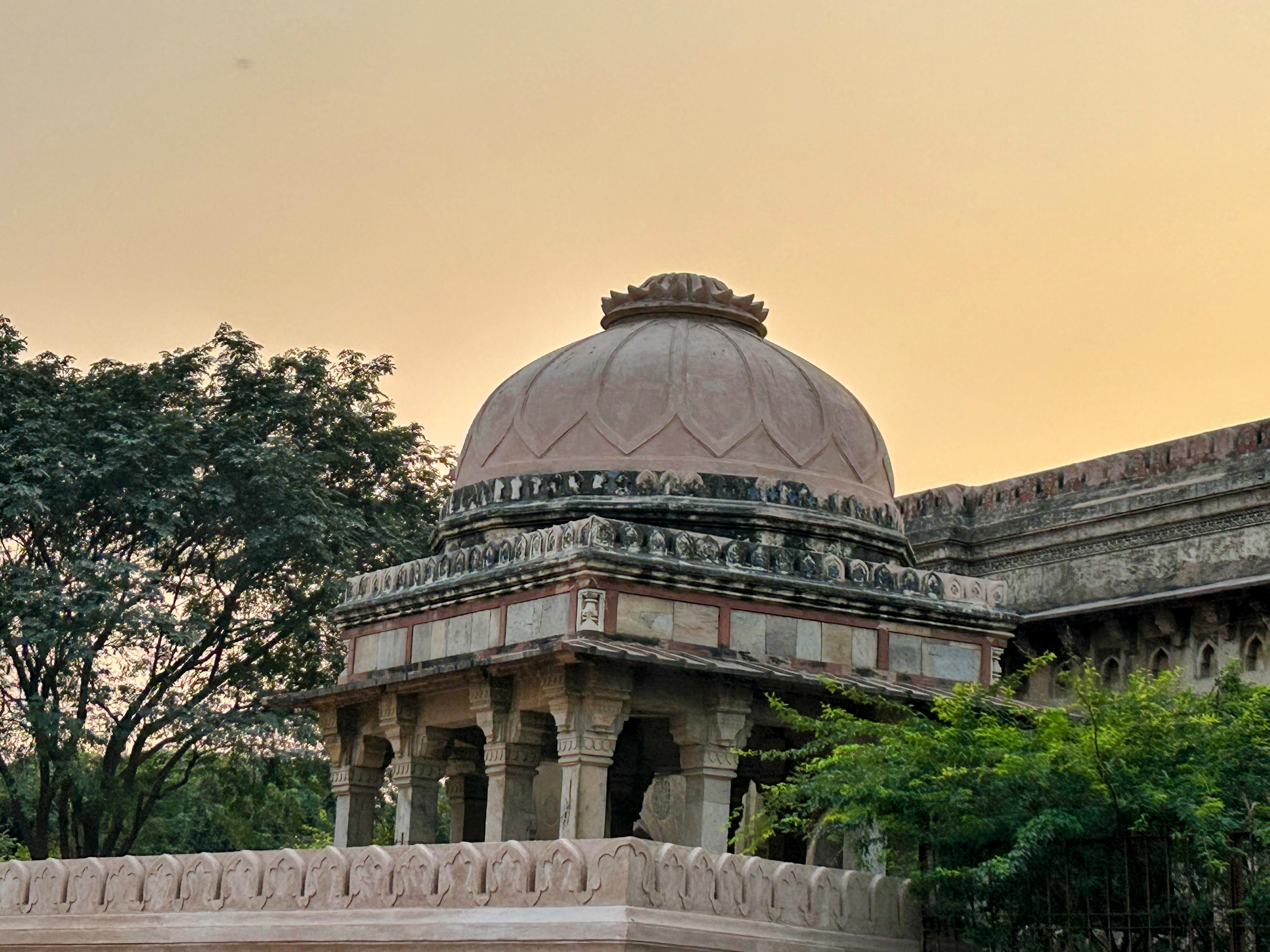
The land itself was a grant from Sikander Lodhi, and the mosque reflects syncretic architecture—kalash motifs, inverted lotuses, and temple-like details—likely owing to local craftsmen more used to building temples.


Rajon ki Baoli

Next, we descended into the quiet depths of Rajon ki Baoli, a stepwell built in 1510 by Daulat Khan, the military commander of Ibrahim Lodhi. History records that it was this very Daulat Khan who invited Babur to India, setting the stage for the Mughal dynasty.

The four-storey stepwell is flanked by rooms used for bathing and washing, fitted with terracotta pipe outlets that ensured fresh water circulation. Yet, curiously, the baoli is not remembered by its builder’s name. Instead, after Partition, it became home to raj mistris (masons), and so the name Rajon ki Baoli endured.


Dilkhusha: Metcalfe’s Retreat

We then arrived at the picturesque ruins of Dilkhusha, once the country house of Sir Thomas Metcalfe, a civil servant of the East India Company and agent of the Governor General at Bahadur Shah Zafar’s court.

The first structure is a quaint boat house, curiously perched atop a Lodhi-era tomb. Though Metcalfe’s residence was later dismantled to restore the tomb, traces of its outer walls remain. From here, one can glimpse the soaring silhouette of the Qutub Minar.

The estate was built around the tomb of Muhammad Quli Khan, the foster brother of Emperor Akbar. Like many Mughal-era tombs, it was repurposed into a colonial residence, perhaps to establish distance between the ruling elite and the ordinary people.

The complex also houses what was once described as a “honeymoon suite”, complete with a fireplace and private pool. Today, it functions as a small museum, but in its day, it was rented out as a luxurious retreat.


Echoes of a Forgotten Past

Much of the park lies in decay, its walls slowly surrendering to time and nature. Yet a walk here feels like time travel—through the Sultanate, the Mughals, and the British Raj—when Mehrauli was alive with kings, saints, travelers, and storytellers.

It is a reminder that Delhi is not just a capital city but a palimpsest of civilizations, each layer shaping its destiny.

History at Krishna’s Doorstep

Do most people love hoarding things? Even the ones that don’t work anymore? I certainly do. But space is finite, and eventually, sentiment has to bow to practicality.

One casualty of this weekend’s decluttering was my old point-and-shoot camera — long kaput, yet faithfully carried through every house shift. In its final moments, it gave me a parting gift: an SD card with forgotten photographs.

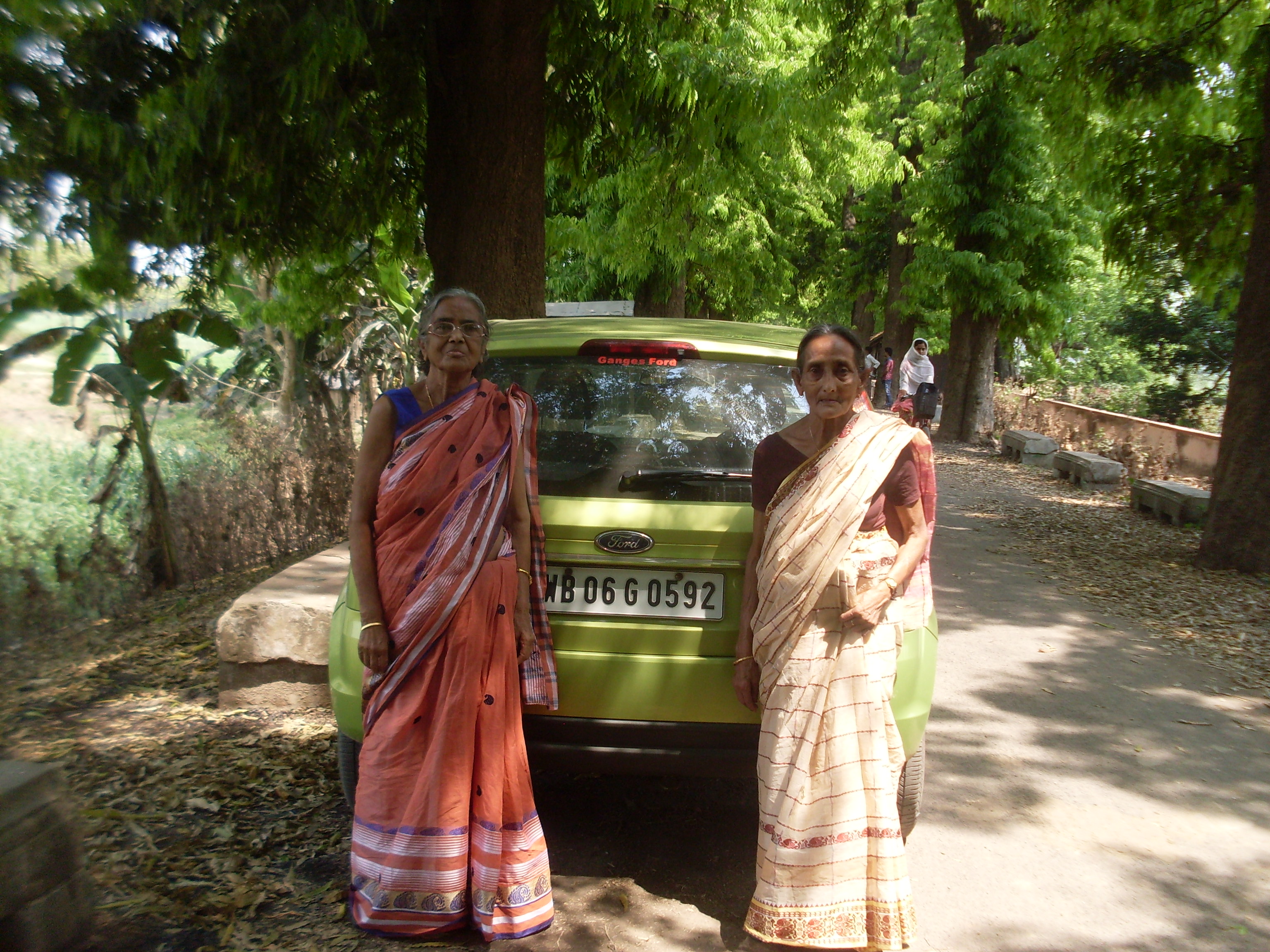
They took me back almost a decade, to a time when my mother and I were enthusiastic long-weekend travelers. And to one trip in particular — to Krishnanagar in West Bengal — born out of nothing less than maternal blackmail.


Blackmail in the Name of Travel

The culprit? My mother. The crime? Forcing me — almost at gunpoint — to accompany her to Mayapur, ISKCON’s headquarters. Her partner, my aunt.

Never keen on religious tourism, I dug deep for excuses. She countered with an irresistible teaser: “There’s more to Mayapur than just ISKCON.” And as they say — “Tujhe sab he pata hai, na Ma.”

A little research revealed that the area was steeped in history. Soon, my resistance melted into curiosity.


The Journey Begins

Mayapur lies at the confluence of the Ganges and Jalangi rivers, in West Bengal’s Nadia district, about 130 km from Kolkata. It’s near Navadwip, the seat of Vaishnavism, and is considered the birthplace of Sri Chaitanya Mahaprabhu, regarded as Krishna’s incarnation.

We booked ISKCON guesthouse rooms through their Kolkata office, checked in, and immediately set off for our first stop: Palashi — better known as Plassey.


Palashi — Where History Changed Hands

On June 23, 1757, Palashi witnessed the Battle of Plassey — a turning point in Indian history. Nawab Siraj ud-Daulah’s forces fell to Robert Clive’s East India Company, paving the way for British dominance in Bengal and eventually the subcontinent.

Arriving at the site, we found nothing but green fields. A paan shop owner confirmed, “Yes, the battle was fought here… but now we grow crops.” No plaques, no elaborate memorials — just paddy swaying in the wind.

My driver refused to let the anticlimax stand. Guided by an elderly local, we eventually found a small, plain monument marking the spot. For a battle that altered India’s destiny, the simplicity was striking.


Krishnanagar — Churches, Palaces, and Clay Dolls

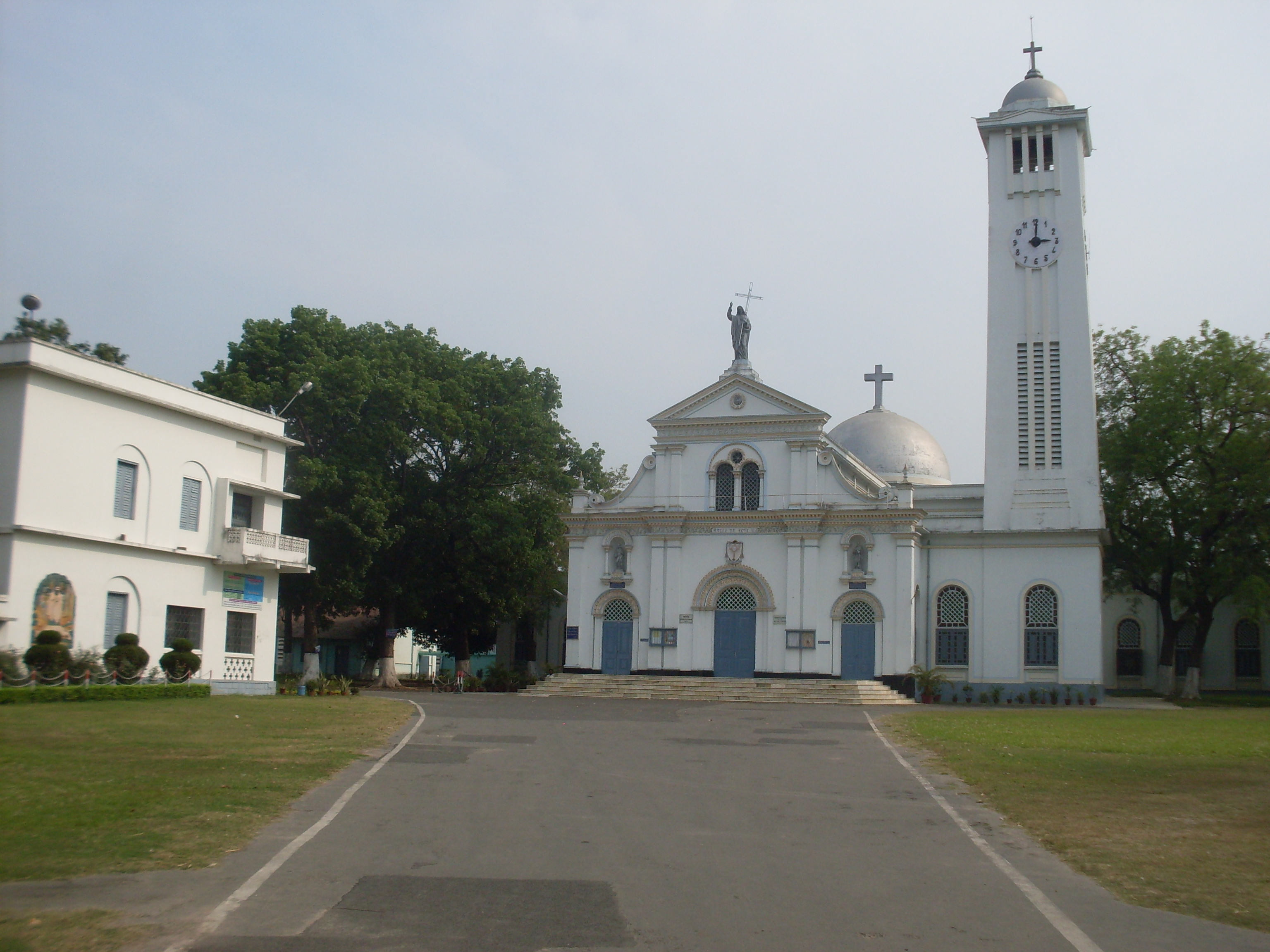
From Palashi, we headed to Krishnanagar. Our first stop: the Roman Catholic Church — an elegant cathedral housing 27 oil paintings depicting the life of Jesus Christ, alongside intricate wooden sculptures by Italian artists.

Catholic missionaries arrived in the region as early as the 17th century, and the current church was built in 1899 by Bishop Frances Pozzi.

The mood shifted when we visited the Rajbari of Raja Krishna Chandra Rai. Once a royal showpiece, the palace now serves as a parking lot and fairground. The grandeur has faded, its arches and courtyards bearing the scars of neglect.

Ghurni, however, brought back the charm. This neighbourhood remains a hub for Krishnanagar clay dolls, a tradition championed by Raja Krishna Chandra himself. The lifelike figurines, some no taller than a thumb, seemed to hold entire stories in their painted expressions.


Ballal Dhipi — Unearthing the Past

The next day took us to Ballal Dhipi in Bamunpukur village — a 30-foot-high mound spread over 1,300 square feet. Excavated in the 1980s, it revealed a massive brick complex, stucco heads, terracotta figurines, and copper utensils — dating as far back as the 8th–9th centuries, with later structures attributed to the 12th-century Sena dynasty ruler, Ballal Sen.

Standing there, with the wind carrying whispers of centuries past, it felt like touching the layered skin of Bengal’s history.


A Line on the Map

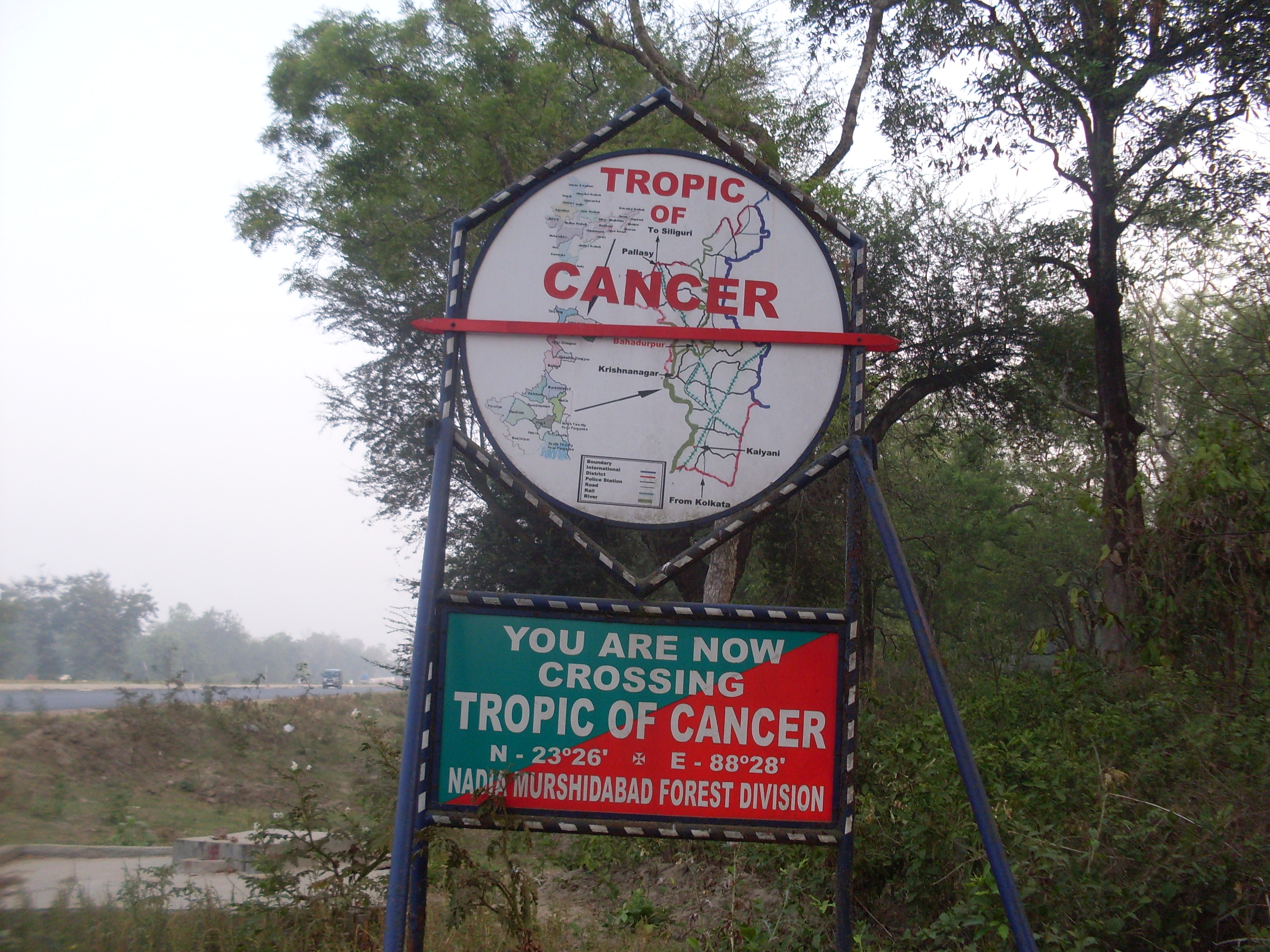
On our way back to Kolkata, a roadside sign brought a geographic surprise: “You are now crossing the Tropic of Cancer.” Not many trips let you straddle history and geography in the same breath.


And Mayapur?

That tale will need another trip — and another story.

As for this one, the blackmail was worth it. My mother loved the historical detour, even if she missed the spiritual one she had planned. And I walked away with a camera full of memories I’d only rediscover years later.

Kenya Safari Diary – Day 6: Lessons in Stillness, Strength, and Goodbye

🌅 The Final Morning Begins

How do you begin to describe your last day in the Mara?

Perhaps with a question.

As we rolled out in the early morning, Denis—my ever-curious guide—asked,
“What would you like to see today?”
I smiled. “Whatever we can.”
No checklist. No expectations. Just openness. And somehow, that became the theme of the day.


🐃 Buffaloes, Tension, and the Echo of a Predator

We headed into an area often frequented by rhinos and leopards, but it was a large herd of Cape buffalo that greeted us instead. Their energy was different—tense, alert. As our vehicle approached, a young male gave a warning grunt. We slowed down, gave them space, and eventually he returned to grazing.

Denis pointed to the pugmarks of a large cat in the dirt. The herd had calves—perhaps they were hunted during the night, and the trauma lingered. A little further, two adult males mock-charged us before fading into the grass.

We hadn’t seen a rhino or leopard, but the story told through behaviour and footprints was just as compelling.


🐘 Wandering Giants and Resting Lions

Further along, a lone male elephant, likely in search of a mate, walked across the plains. We waited patiently for him to move on before continuing.

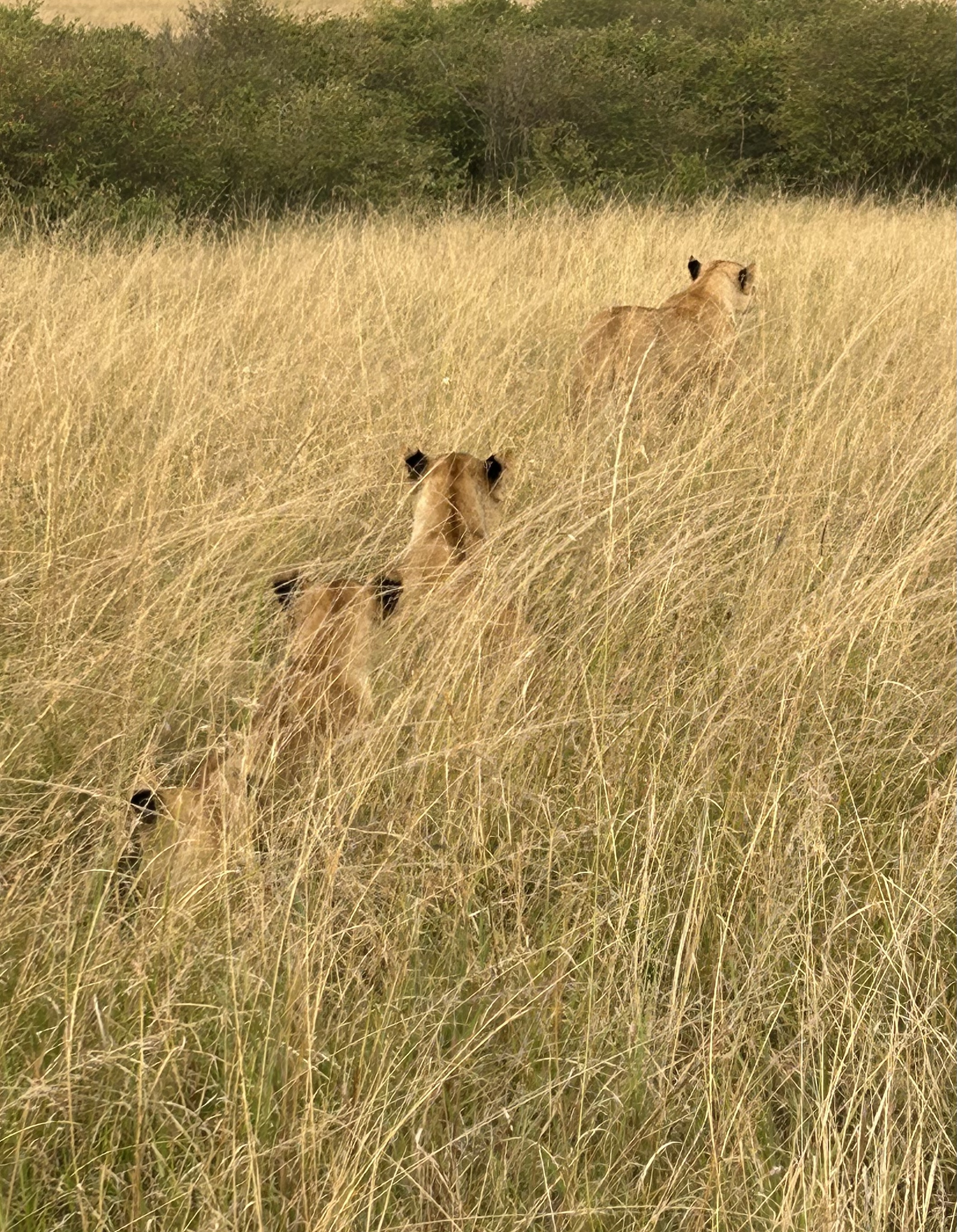
Among the tall grasses, we saw a lioness. The area was filled with antelope—potential prey. Soon, we spotted another lioness nearby. Would they hunt? We waited, watched.

But no. They stretched, yawned, and settled into the shade.
Nature’s quiet truth: even predators don’t kill without need.


🦓 Zebras, Hartebeest, and a Royal Blockade

Our path was soon blocked by a herd of zebras, strutting confidently until they decided we were worth letting through. We passed them and found a lone hartebeest, calmly grazing.

The drama of the day had quieted. But the Mara is never still for long.


🛖 Meeting the Maasai: Culture, Community, and Resilience

No safari is truly complete without a visit to a Maasai village.

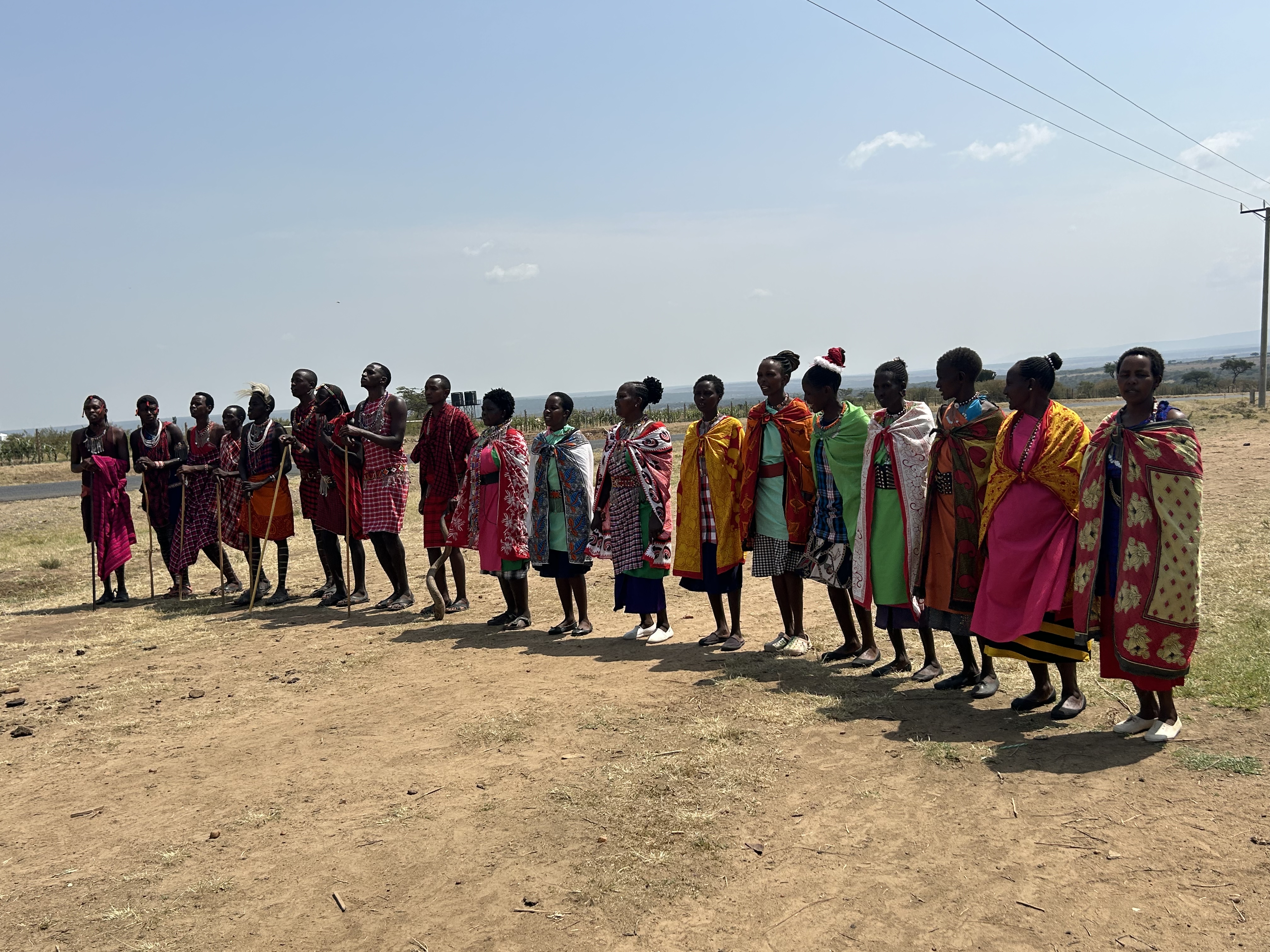
We arrived to warm smiles, a spirited traditional welcome dance, and an invitation into their world. The community, while rooted in its customs, has embraced modernity with measured grace. Many still wear their vibrant traditional shukas, and I had the privilege of visiting a typical Maasai hut, witnessing fire-making with ancestral techniques, and learning about their way of life.

The village had over 230 residents, all related. My guide was one of the first four people in the village to be educated. Since the 1990s, the community has prioritised education, opening a school on community land funded entirely through tourism.

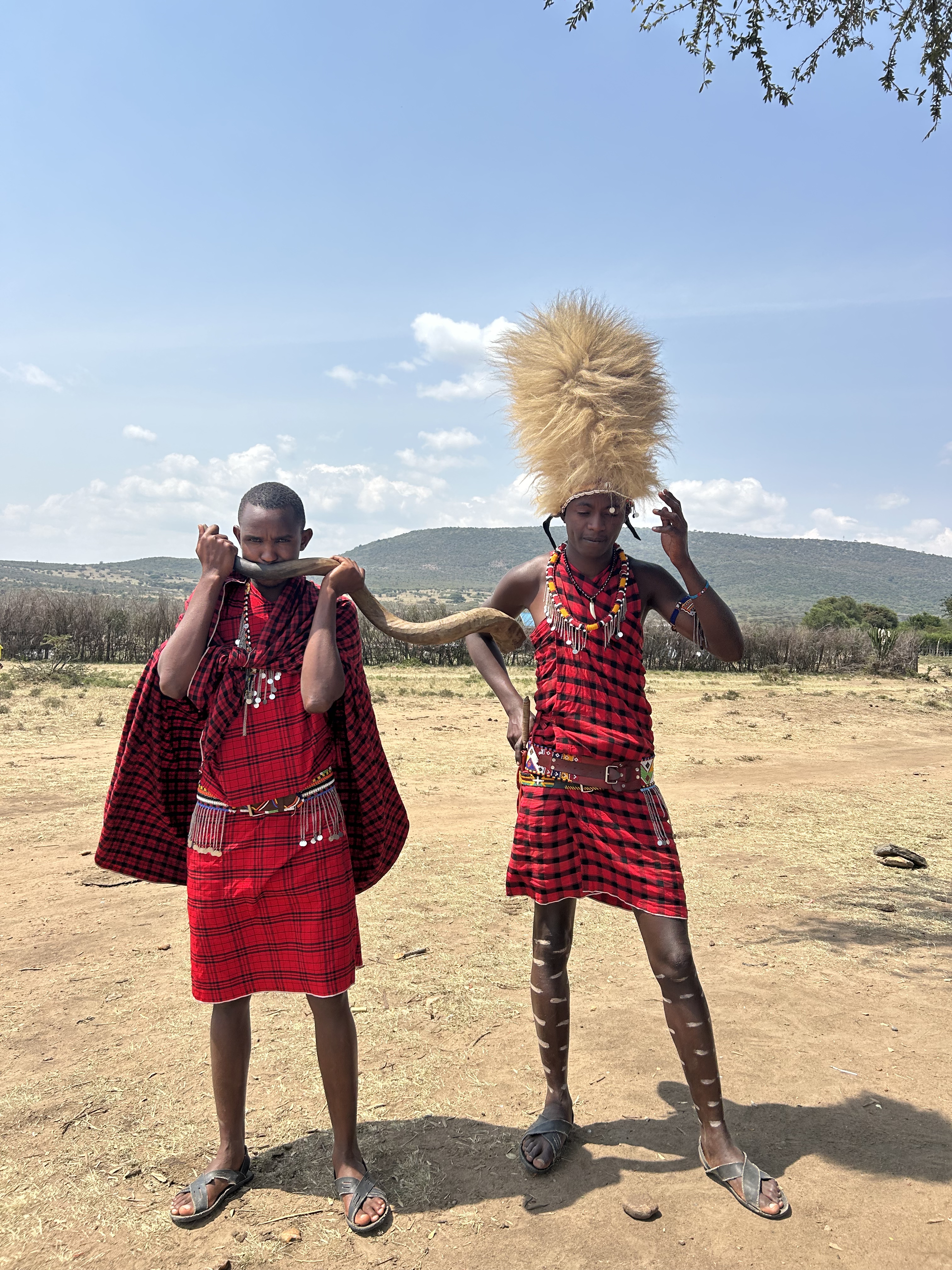
One unforgettable moment: being shown a ceremonial lion headgear, mane intact, used in rites of passage. A physical link to ancient tradition.


🐾 The Wild Continues: Hyenas, Cheetahs, and Vultures

Post-lunch, we returned to the reserve.

First came two hyenas, emerging from the swamp, rolling on dry earth like mischievous puppies. They paused long enough for a perfect photograph before melting into the tall grass.

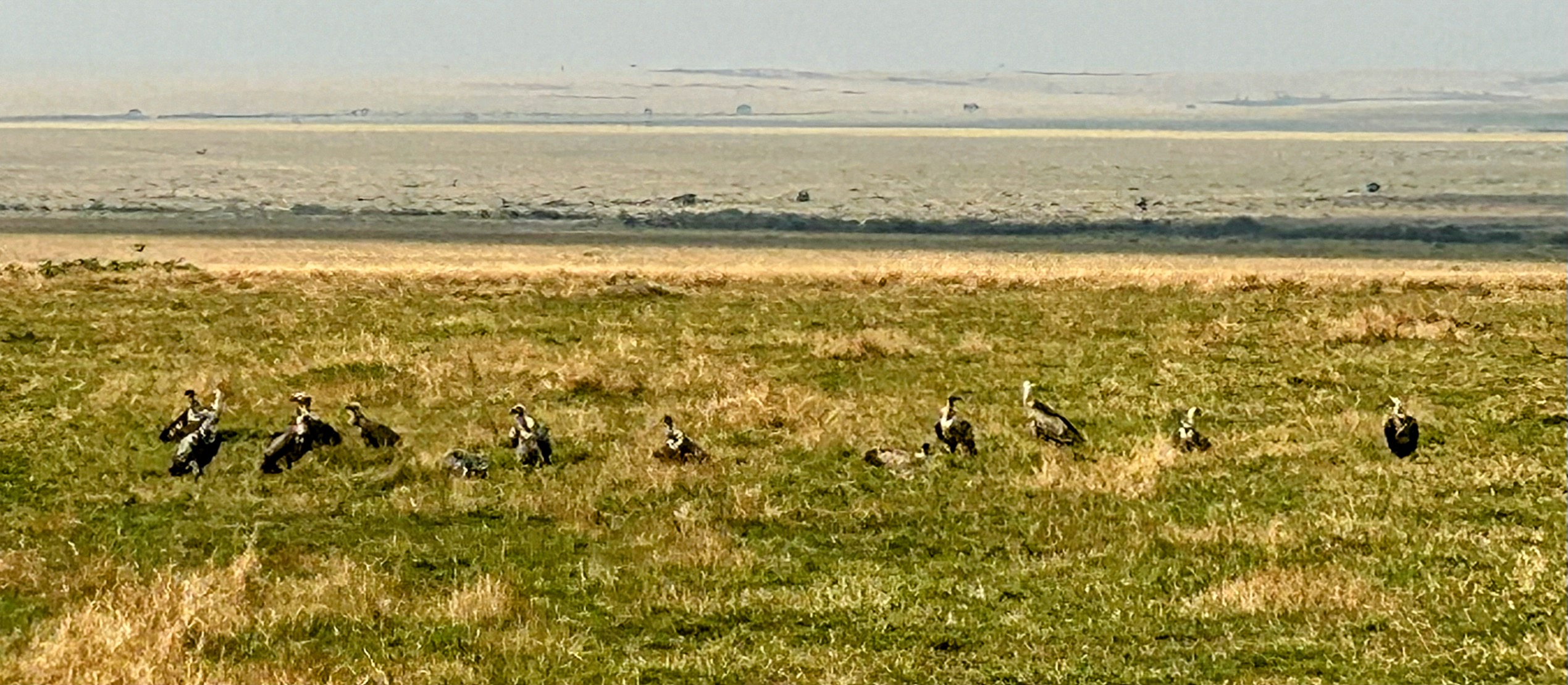
Next, a huddle of vehicles pointed to three cheetahs, napping under a bush—impervious to the click of cameras. Further along, we saw vultures on the ground, circling something.

We approached carefully.

A wounded male gazelle was lying on the earth, breathing heavily. A deep wound marked its flank. The vultures waited, patient and merciless.
Nature’s second lesson of the day: survival belongs to the fittest.

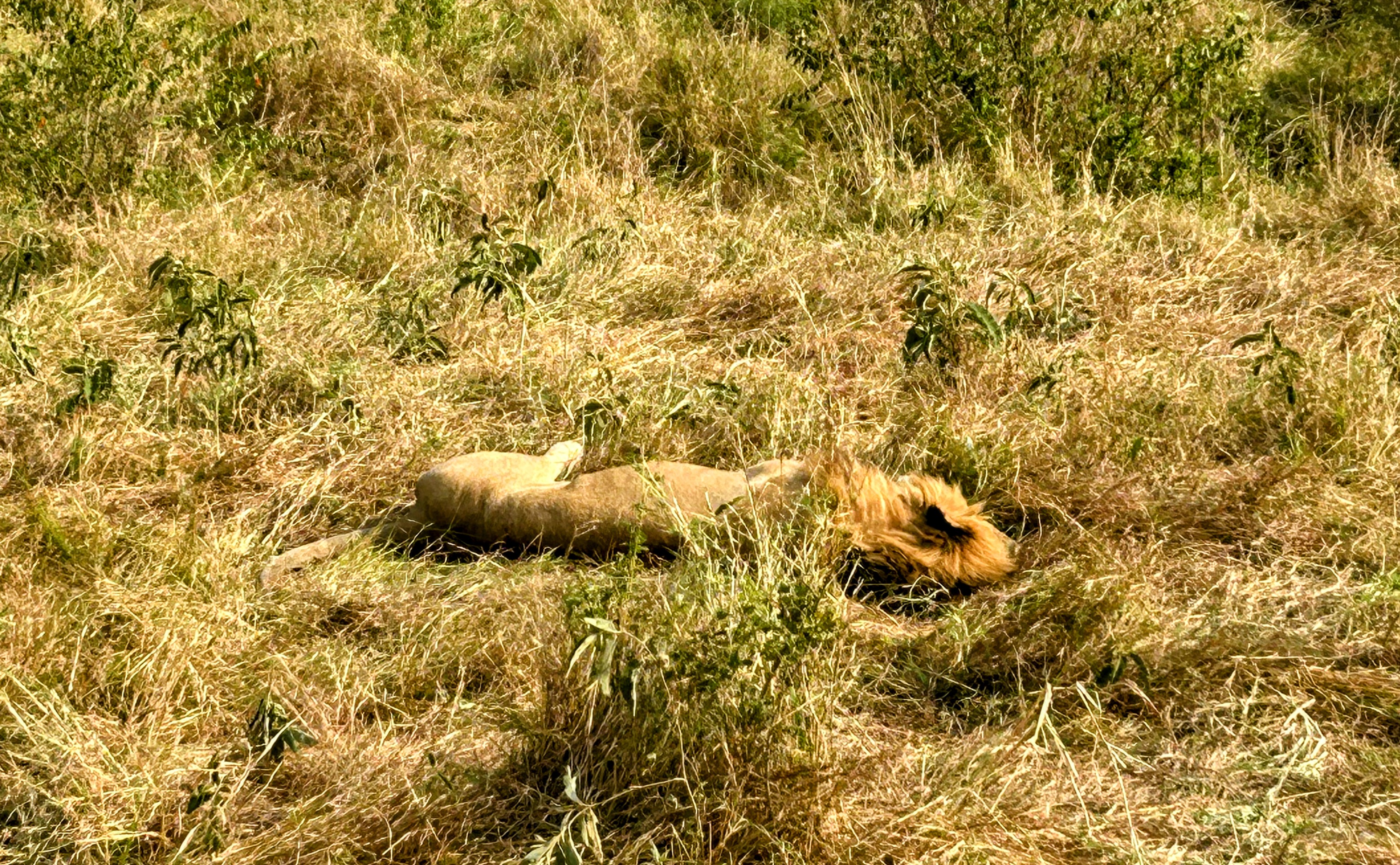
A little later, we joined another cluster of vehicles to find a lone lion, resting silently in the open field.


🪶 The Parting Gift

As the sun began to dip, we started the journey back. But the Mara wasn’t done yet.

An ostrich strutted into view—posing perfectly, as if it knew this was my last day.

And then, my final memory:
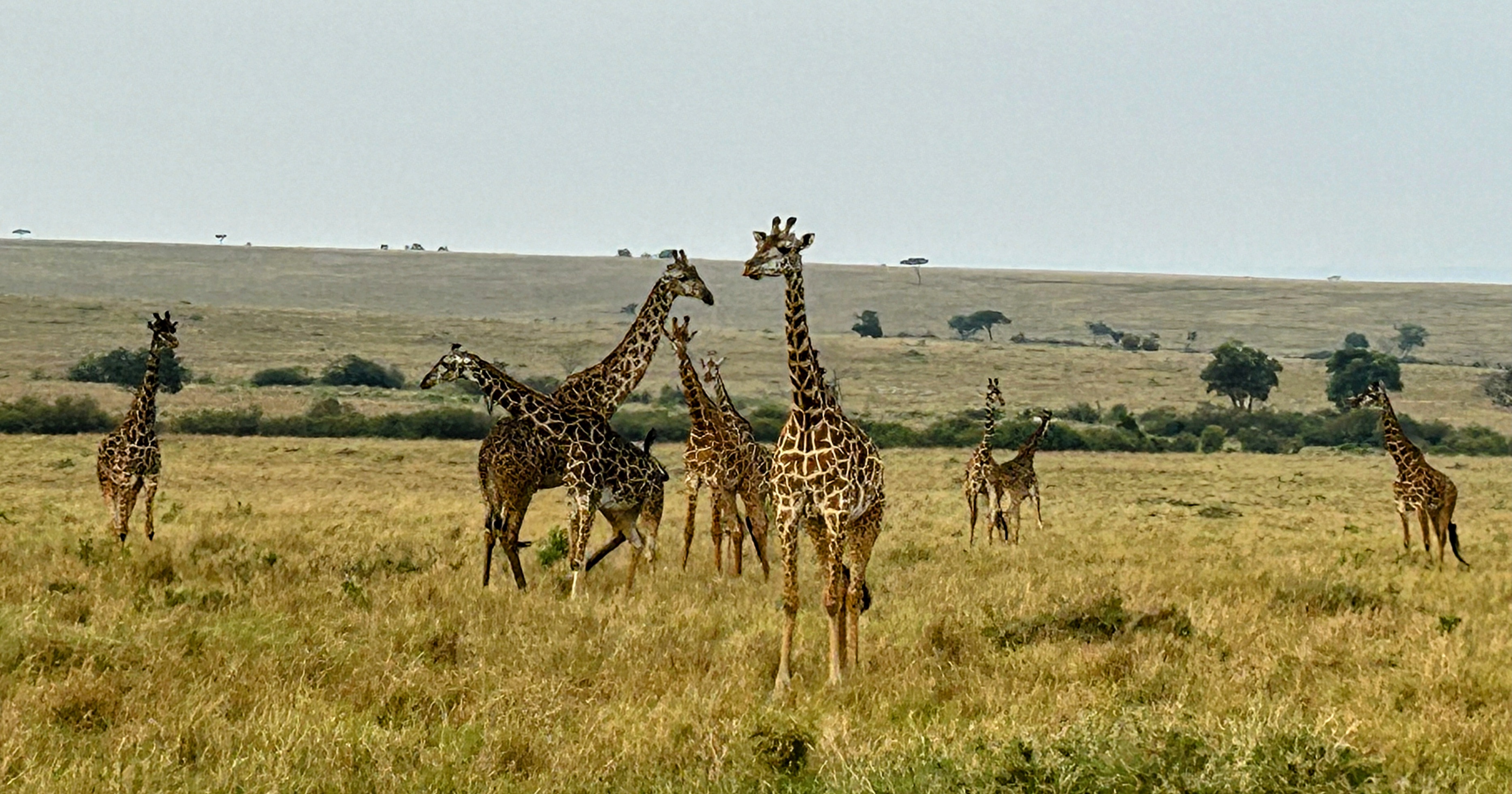
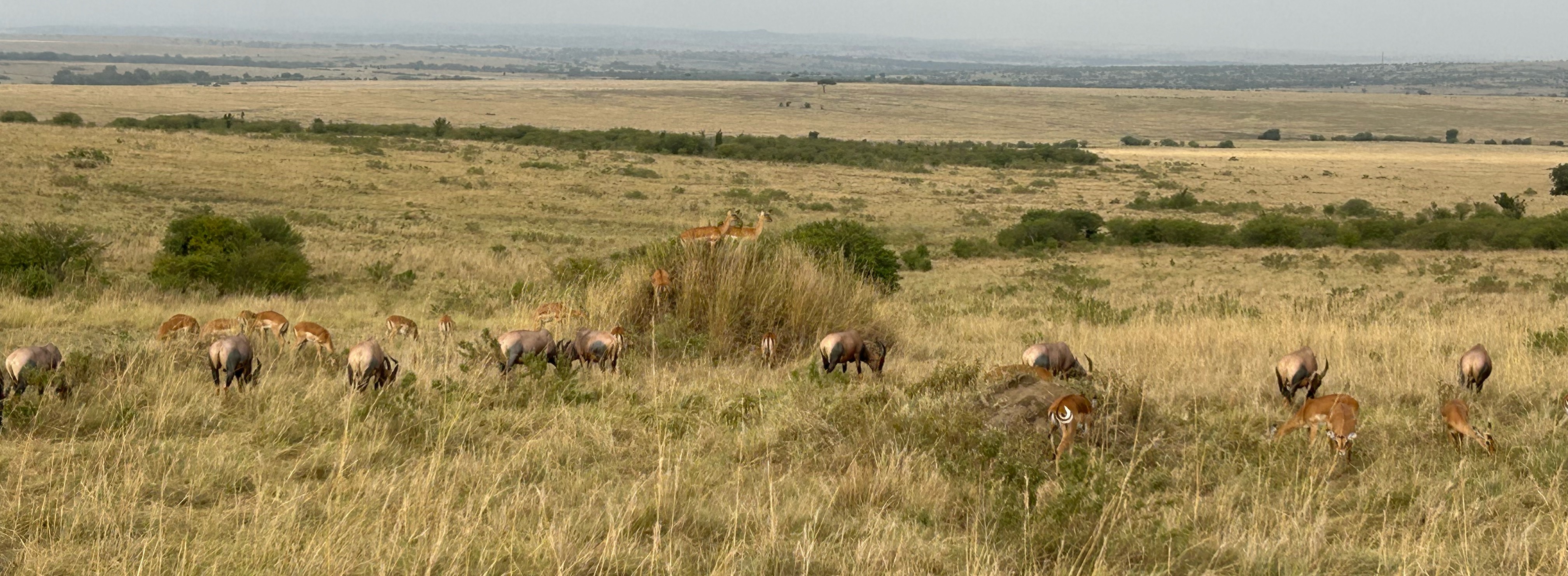
Grasslands dotted with zebras, wildebeest, elands, topis, gazelles—and just before the gate, a group of giraffes, statuesque and still, silhouetted against the amber light.


🧡 Goodbye, Mara

Six days.
Countless memories.
No two moments alike.

From the silence of stalking predators to the rustle of hoofbeats across the plains… the Mara gave me more than a safari. It gave me stories, stillness, and a deeper connection to the wild.

The savannah has a rhythm—and for six unforgettable days, I walked in time with it.


Kenya Safari Diary – Day 5: Balloons, Crossings & the Thrill of the Wild

🎈 A Postcard Comes Alive

A few years ago, I had come across a postcard that showed hot air balloons floating over the Maasai Mara at sunrise. That image stuck with me. So when I first planned this trip, the idea of a balloon safari was very much on my wishlist. But I was told all slots were full.

Then, two days ago—a surprise opening. No second thoughts. I booked it.


🌅 Sunrise in the Skies: The Balloon Safari Experience

Balloon safaris in Mara start before dawn. The early hours offer the best chance to watch the animals wake up with the sun. Each basket is divided into four sections, seating four people each.

As I waited with the group, I noticed two more women who, like me, weren’t particularly tall. The captain quickly grouped us together. That’s how I met Joyce and Jasmine, friendly fellow travellers from Singapore. Soon, we were chatting like old friends.

After a short safety briefing, we boarded. The balloon lifted slowly into the glowing sky—and below us, Mara came alive.

We floated above gazelles, foxes, and giraffes. Two lionesses strolled with majestic calm. A lone elephant, startled by the balloon’s hiss, scampered into the bush. Then, as we glided over the Talek River, we saw them—hundreds of wildebeest and zebras, grazing in massive herds. Further below, hippos wallowed in the water.

One magical hour passed in a heartbeat.


🥂 Bush Breakfast: A Meal to Remember

We landed softly on the plains and were greeted with a sumptuous bush breakfast—complete with an omelette station. Eating breakfast in the middle of the Mara, still buzzing from the flight, felt almost surreal.

After saying my goodbyes to Joyce and Jasmine and meeting up with Denis, it was time to chase another dream: witnessing the Great Migration river crossing.


🐃 The Waiting Game: Wildebeest at the Mara River

Our mission was clear: spot the wildebeest crossing the Mara River.

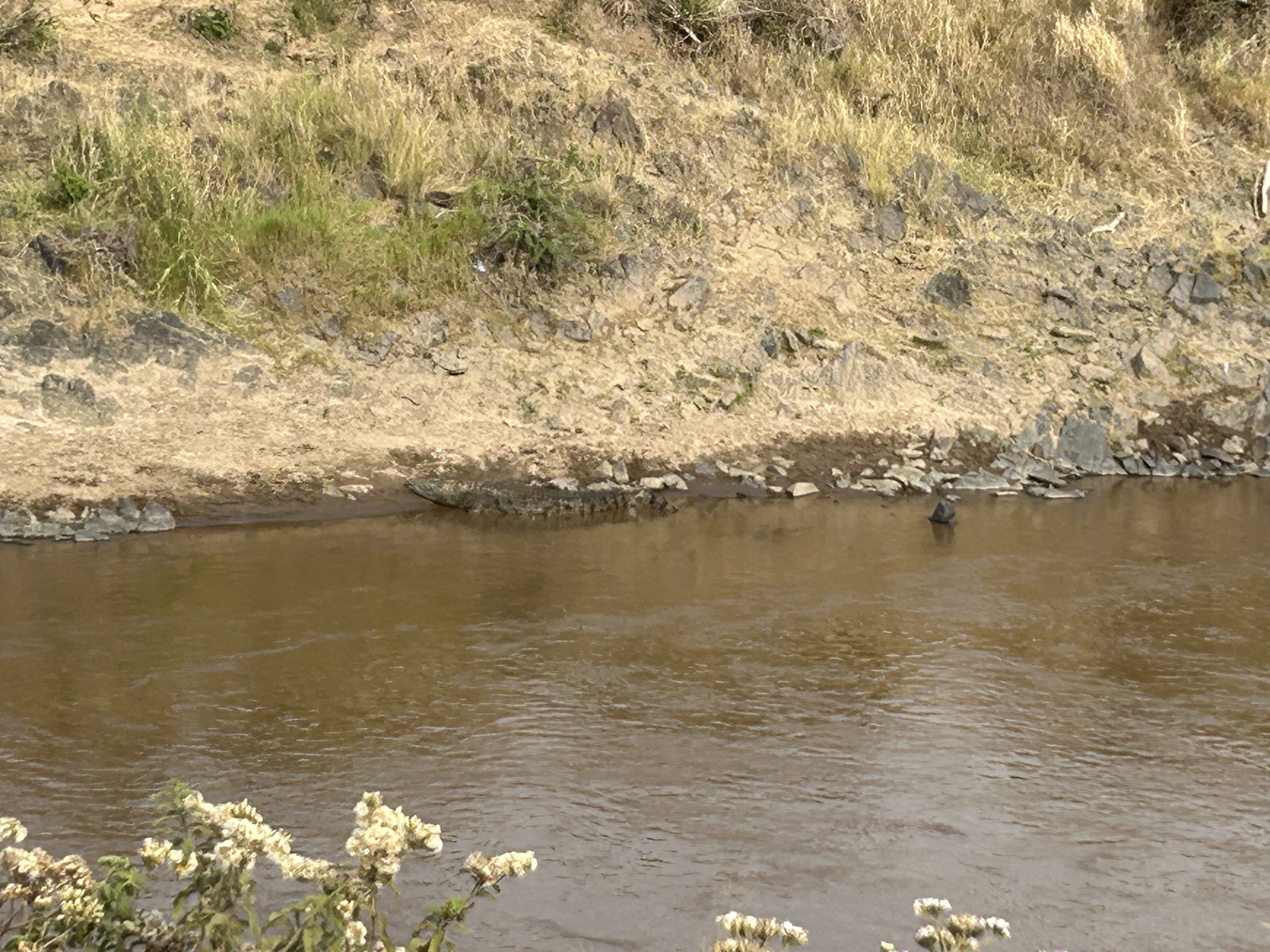
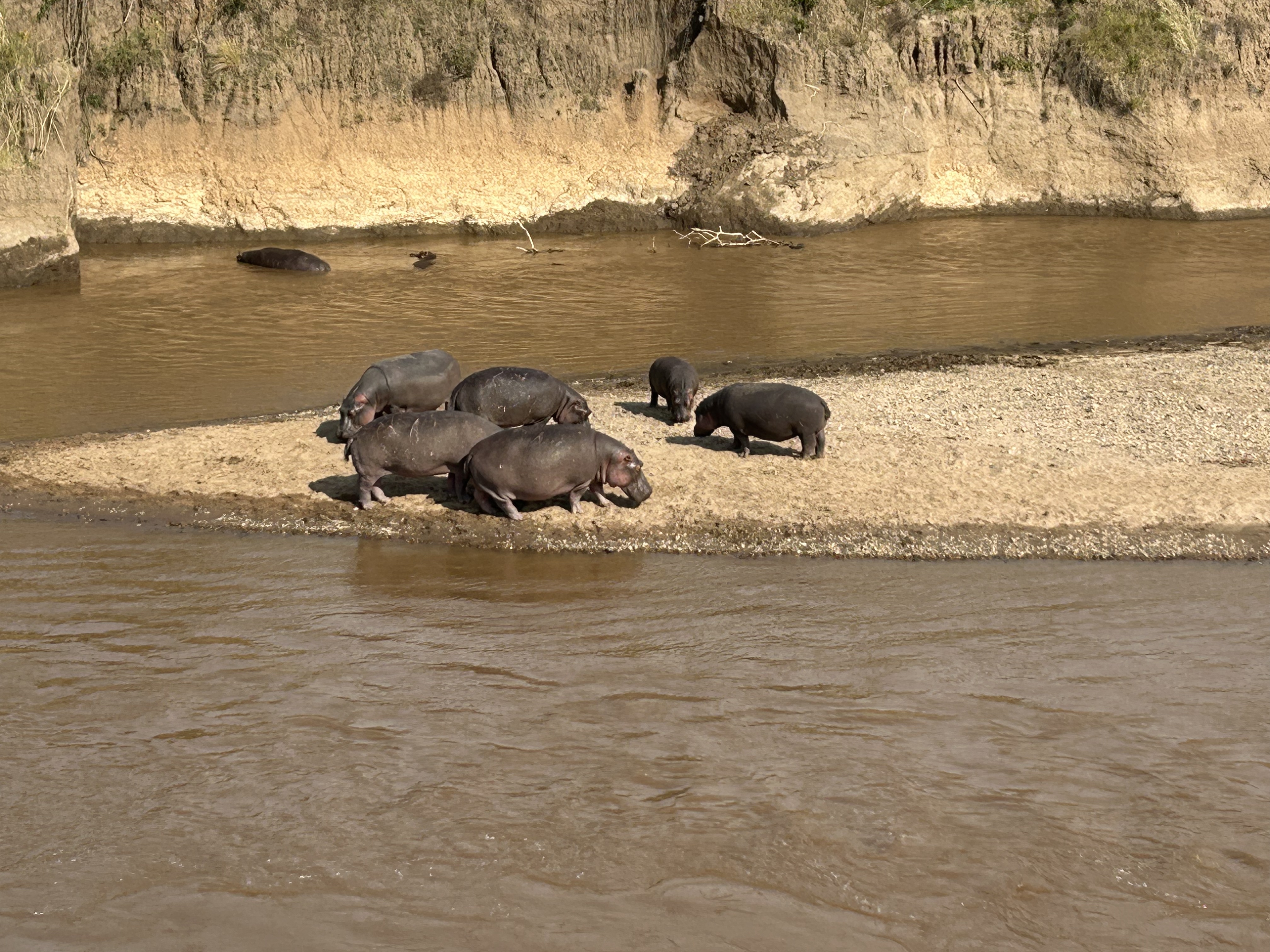
We began driving along the river’s edge. Crocodiles lay sunbathing on the banks. A family of hippos relaxed on a sandbar in the middle. And then—we saw a herd of wildebeest gathering at the edge.

Denis nodded. “They’re thinking about it.”

Soon, other vehicles joined us. Park rangers arrived and parked strategically, ensuring no game vehicles got too close and disturbed the herd. The waiting game began at 9:40 AM.

For hours, we watched the wildebeest inch toward the bank, only to retreat. Vehicles came and went. But I stayed—standing on the seat, glued to my binoculars. So did Denis.

And then, suddenly—movement.

Denis told me to sit. “It’s about to start. And when it starts, it gets wild—among the drivers.”

Engines roared. Vehicles surged toward the edge. The rangers were respectfully ignored. Denis, master of the moment, got us a perfect spot.

And then… it happened.

One wildebeest jumped into the river. The others followed. A chaos of hooves, splashes, dust, and instinct.

Years of watching this on screen didn’t dull the impact. Seeing it live, raw, unfiltered—was nothing short of breathtaking. The four-hour wait felt worth every second.


🧺 Lunch with a View (and a Baboon)

With my heart full, my stomach reminded me it was empty. Luckily, I had a picnic lunch packed for the full-day drive. We found a shaded spot, laid out a rug, and I tucked into my meal—under the close surveillance of a baboon and a marabou stork.


🦁 The Afternoon Watch: Lions, Cheetahs, and a Hyena

Post-lunch, we went in search of more wildlife—and Mara delivered.

We found four lions sleeping under a bush, unfazed by clicking cameras and murmurs. Park rangers arrived, gently dispersing the crowd to avoid stress on the animals. A little further, we saw a solitary lion lying in the grass. Again, as vehicles gathered, a ranger arrived to maintain the calm.

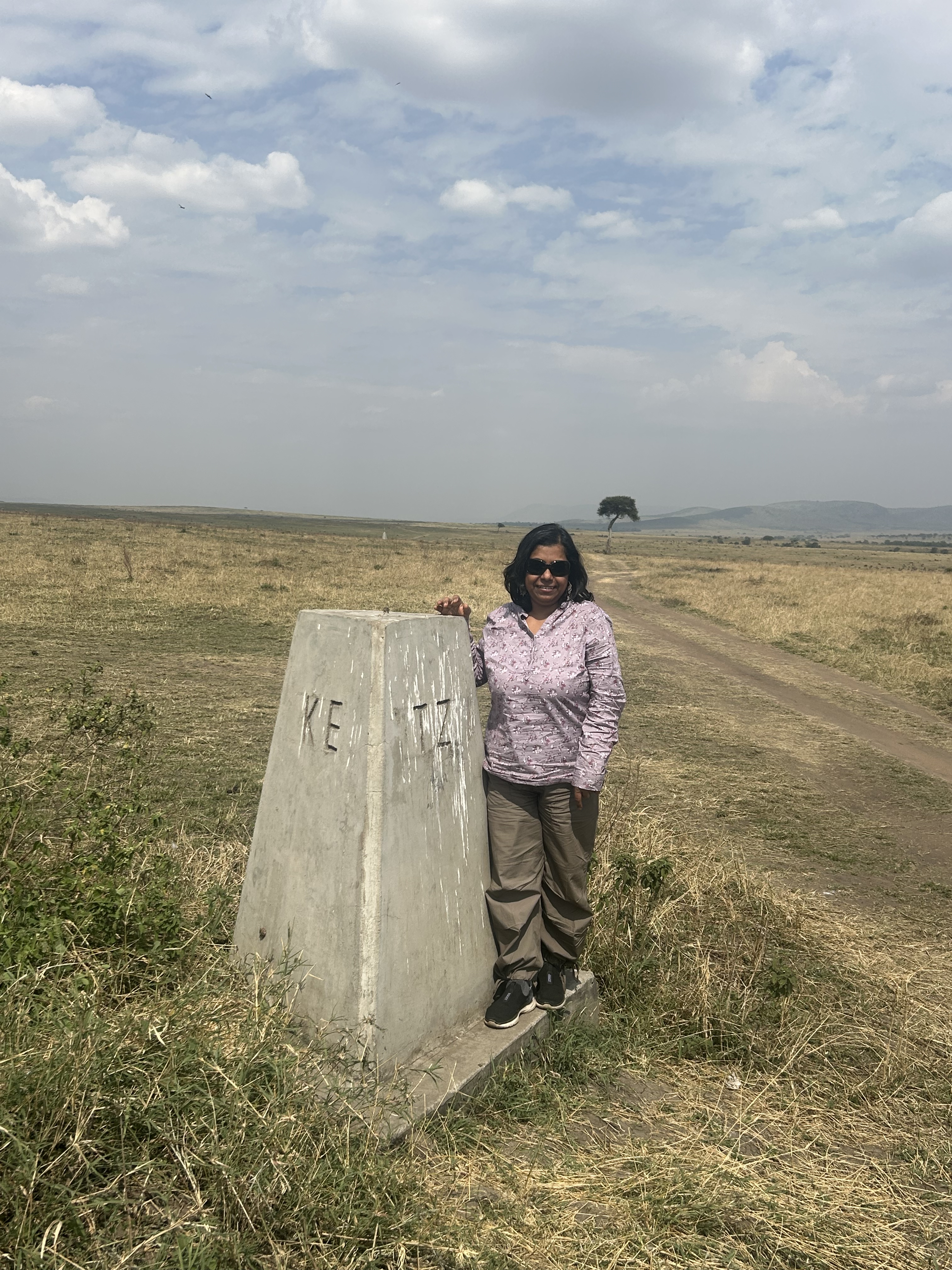
Later, we drove to the Kenya-Tanzania border for a quick photo-op, then spotted herds of Eland and Topi on the open plains.

Just as the afternoon light turned golden, the radio buzzed again—a cheetah had made a fresh kill. We rushed to the location. There she was, panting in the shade, having just taken down a gazelle.

As the day neared its end, I squinted at something in the distance.
“Is that an elephant?” I asked.
Denis laughed, “I think you’re just tired.”
Then, “Have you seen a hyena yet?”
We set off—and found a lone hyena resting in the shade, completing yet another chapter in this day’s wildlife drama.


🐘 One Last Surprise

As we made our way back to the lodge, the real elephants appeared—lumbering through the golden grass, just in time to remind me that in the Mara, the wild always has the last word.

Kenya Diary – Day 4: The Magic of Maasai Mara

After an unforgettable time in Samburu and Lake Naivasha, it was time to head to the crown jewel of Kenya’s wilderness—Maasai Mara. The drive from Naivasha was smooth, the scenery rolling and expansive. Somewhere along the highway, I was treated to a scene straight out of a nature documentary: giraffes casually crossing the road while long-haul trucks bound for Uganda came to a respectful stop. That moment said everything—Kenya, like India, is a land where humans and animals have coexisted for centuries. The roads might belong to us, but the land? It belongs to all.

An Influencer Moment… That Was Real

I arrived at my lodge in the Nashulai Maasai Conservancy, adjacent to the Mara Reserve. As I was being briefed, someone mentioned that wildlife often roams the property—zebras, giraffes, antelopes, the works. I smiled politely, silently filing it away under “influencer exaggeration.”

But as I walked into my tent, I stopped in my tracks. Two zebras were grazing calmly right outside. Unbothered by my presence. Completely at home. Apparently, those influencer videos were real after all.

Into the Mara

Post-lunch, I was itching to head into the Mara Game Reserve, but Denis—my guide and voice of reason—suggested we wait till 3:00 PM for better sightings. By 2:30, I was already in the vehicle.

As soon as we entered the park, the Mara began to unfold its magic.

First, a lone elephant stood tall in the golden grass.
“In India, elephants are considered lucky,” I told Denis.
He smiled, “Then Mara is welcoming you.”

Next came herds of zebras, followed by wildebeest, impalas, and Thomson’s gazelles grazing together in peaceful coexistence. The giraffes soon followed—towering, gentle silhouettes against the sky. One of them turned ever so slightly, as if offering a perfect pose. I took the shot.

The Leopard in the Tree

Suddenly, the radio crackled with excitement. Denis stepped on the gas. We arrived at a clearing where at least 20 vehicles had gathered under a single tree. Up in its branches, a leopard, perfectly camouflaged, draped across the limbs with feline grace. Through the binoculars, I spotted its kill—an impala—tucked carefully into a crook of the tree.

And then, as if aware of all the attention, the leopard shifted. Slowly, dramatically, from one branch to another. And then descended—regal, deliberate, unhurried—before disappearing into the grass. A moment I will never forget.

More Elephants, Lion Cubs, and a Buffalo Parade

We continued, only to find a larger herd of elephants, slowly making their way to a lone tree. One stopped to scratch its back, reminding me once again how relatable elephants are—gentle giants with very human gestures.

Further along, two vehicles stood near a bush, cameras poised. We slowed down and waited. Soon, three lionesses emerged, followed by a tumble of cubs, rolling and pouncing on each other in playful chaos. For a few minutes, we all watched in reverent silence. But as more tourists gathered, the lions melted back into the bush.

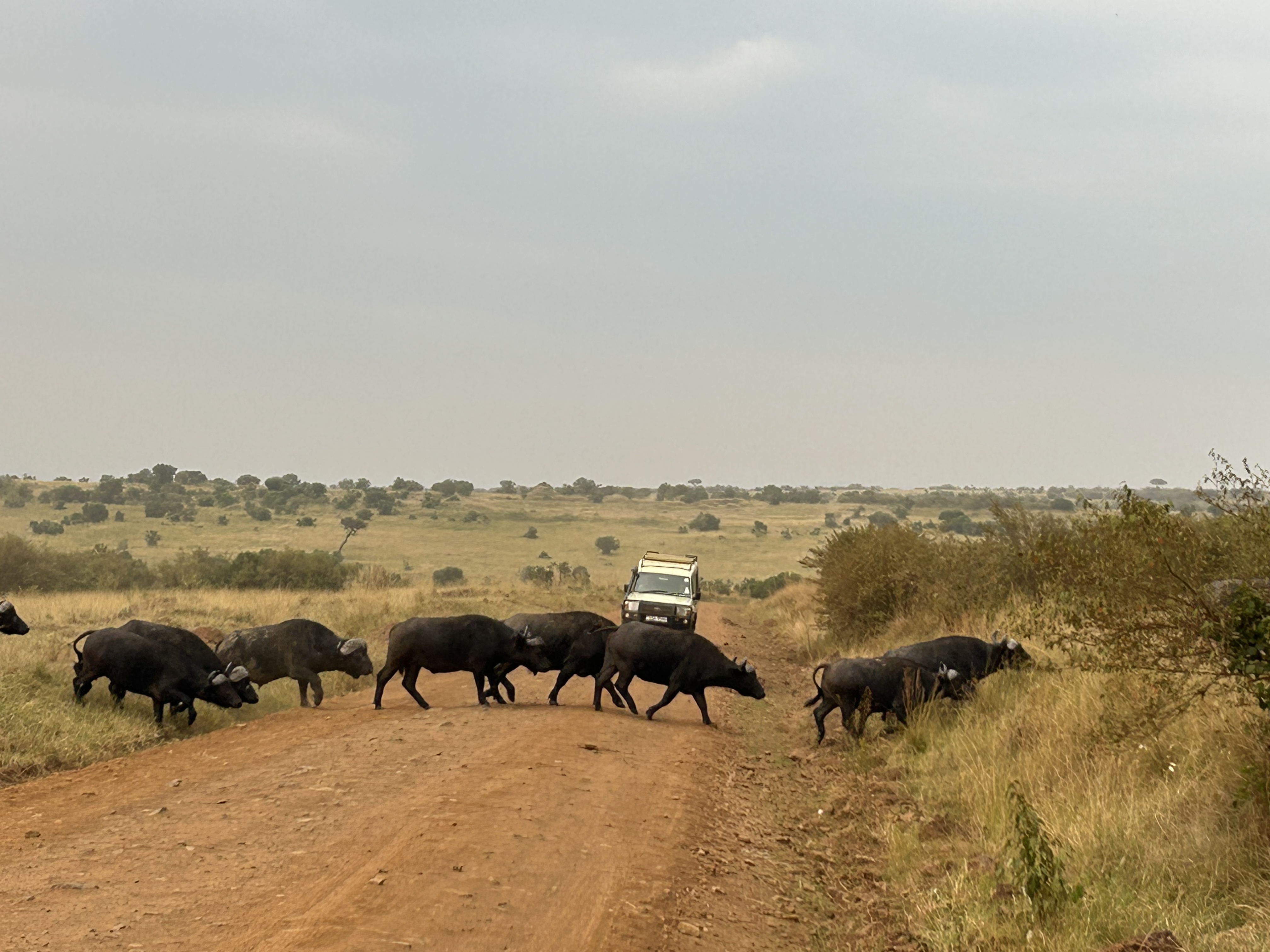
As we turned to leave the park, thinking the day couldn’t offer more, a herd of Cape Buffaloes made their appearance—one of Africa’s Big Five. We waited as they crossed the road, closing the day with quiet power.

A Day of Living Documentaries

You can watch all the wildlife documentaries in the world, but nothing prepares you for the real thing—for the silence before a leopard moves, for the thunderous stillness of buffaloes, for the fluttering tails of lion cubs in grass.

The Mara doesn’t just show you wildlife—it welcomes you into its ancient rhythm. And on this day, it felt like it was opening its arms just for me.