Tag Archives: temples

When Shiv Planned My Darshan

A few days before my visit, an acquaintance had asked, “Darshan to karengi na?”
As a crowd-averse traveller, often disappointed by the jostling and haste that accompany visits to major temples, I had replied that I had no fixed plan for darshan. If it happened, it happened. If not, there was much else to see in the city.


Yesterday, I repeated the same line to another acquaintance. But as someone who had spent a part of his life in Benaras, he took it upon himself to ensure that I visited the Kashi Vishwanath Temple. As I approached the temple, I could see a serpentine queue winding ahead. Several people stopped passersby, asking if they wanted darshan and offering to guide them inside. I dodged a few such offers and reached Gate No. 4 at around 9.30 in the morning.
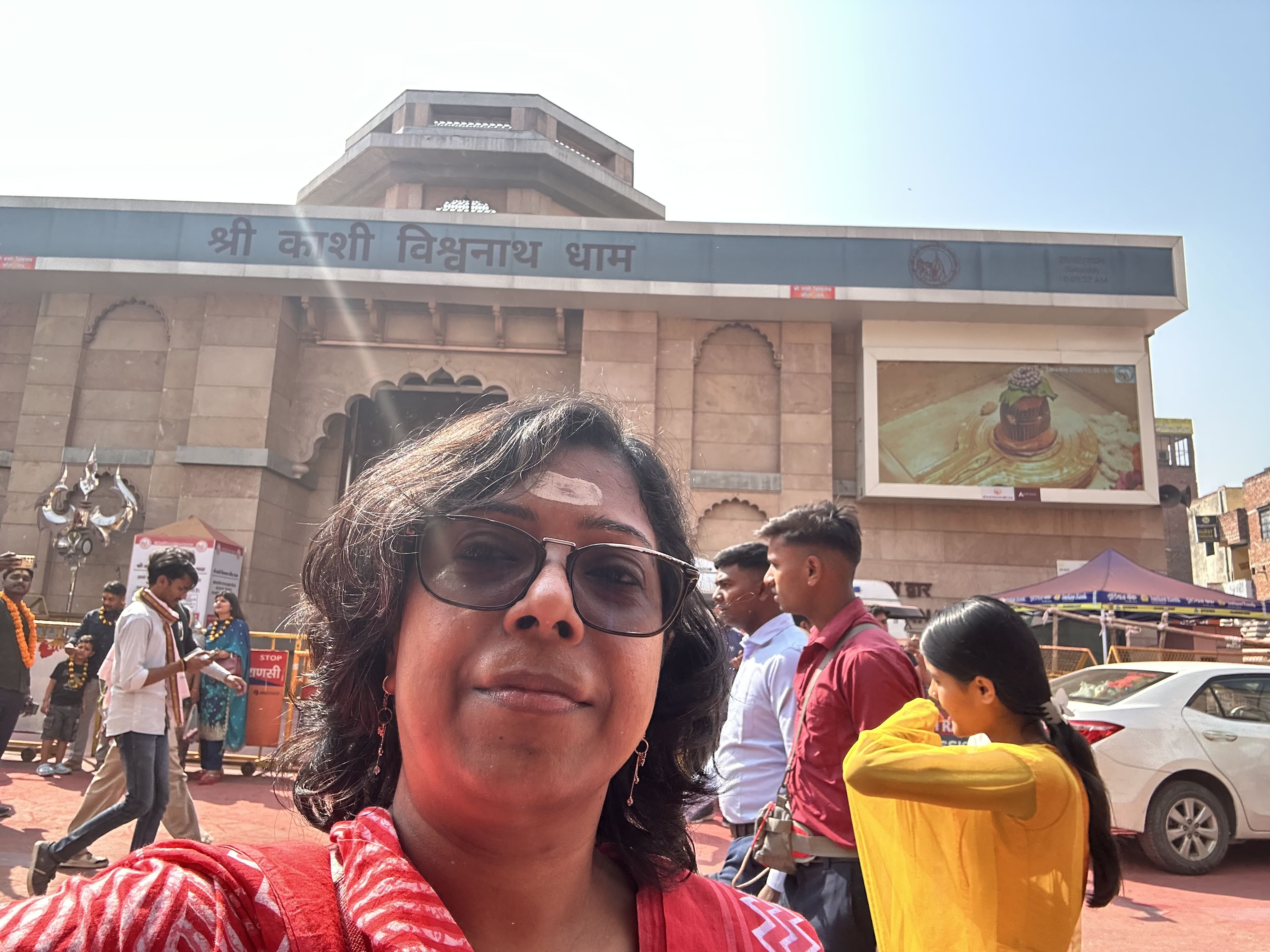

The person deputed to facilitate my visit ensured that I completed my darshan by 10.15 a.m.—peacefully, without any pushing or jostling. And even that morning, I found a brief moment to myself as I bowed my head before the Jyotirlinga. Even if I had not planned it, Shiv, it seemed, had planned it for me.
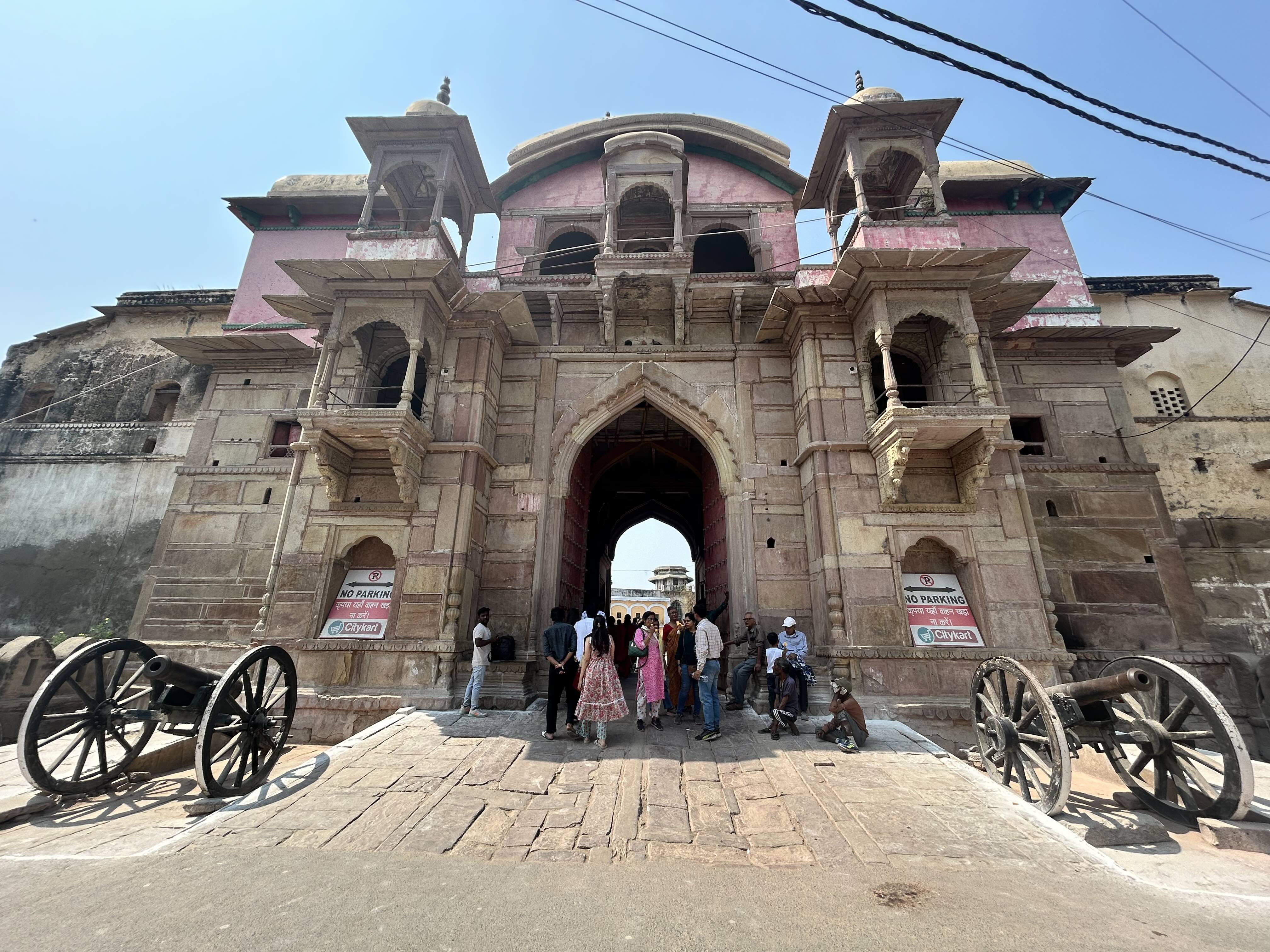
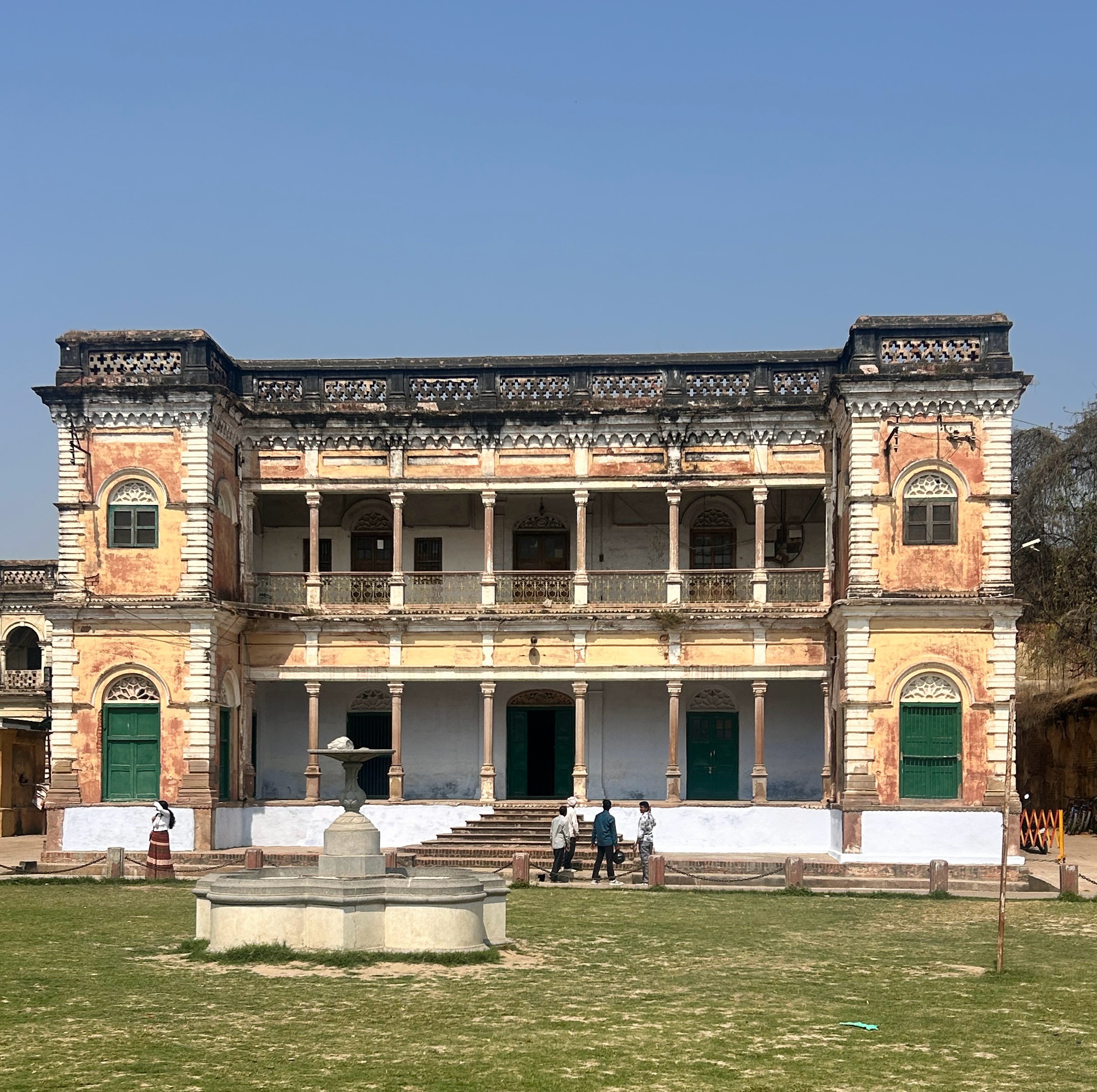
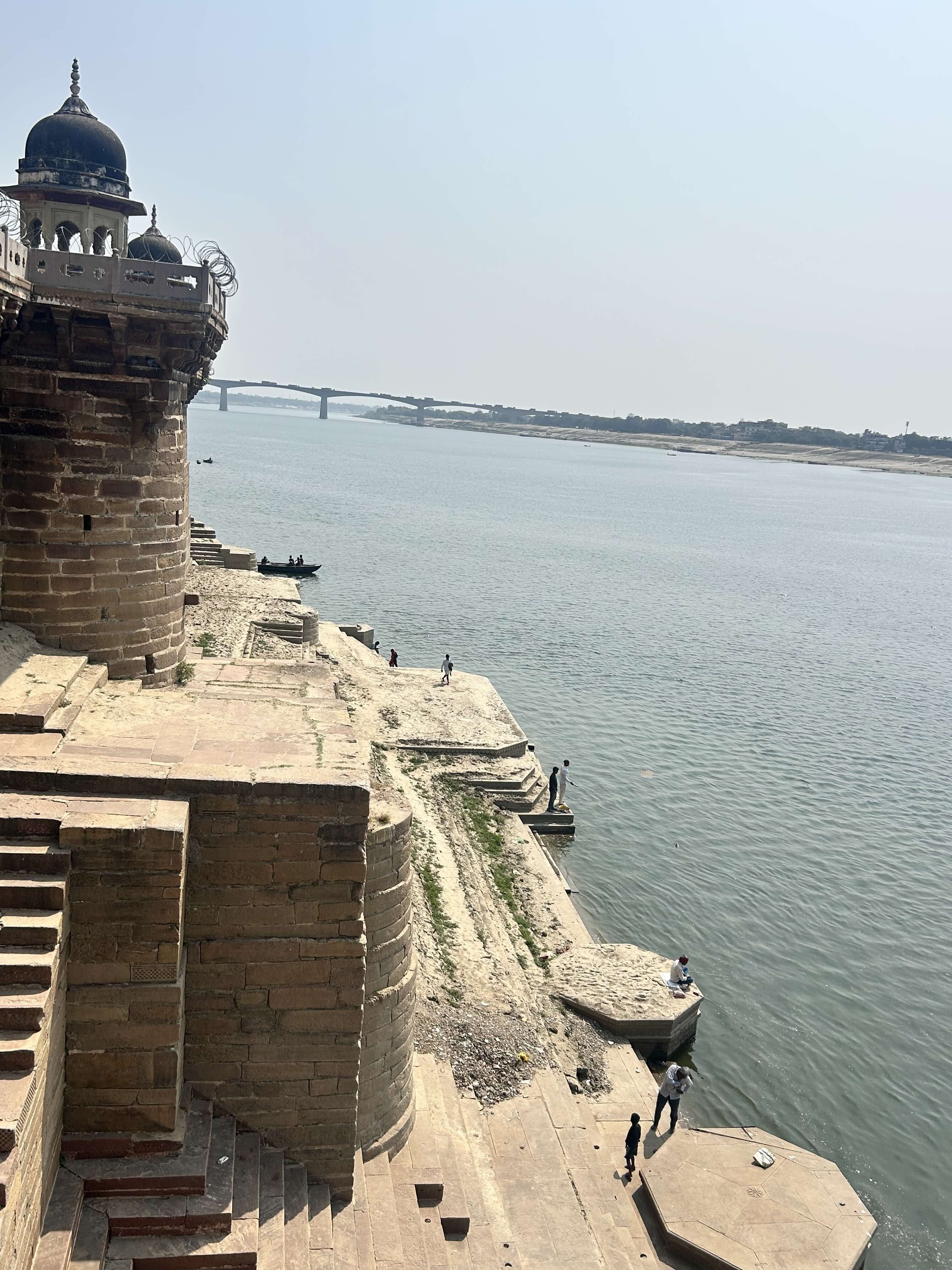
The next part of the day was spent at Ramnagar Fort, situated on the banks of the Ganga. Built in 1750 by Kashi Naresh Maharaja Balwant Singh, the fort remains the ancestral home of the Varanasi royal family. The structure is crumbling from the outside, and though the museum houses an interesting collection of vintage cars, royal costumes, arms and ammunition, the experience felt somewhat underwhelming. The display cases were dusty, many exhibits lacked proper labels, and the overall impression was of a place with great potential but limited care. I walked towards the back of the fort, expecting to reach the river, only to find the walls high. Yet the riverside edge of the fort precincts was animated by enthusiastic anglers.
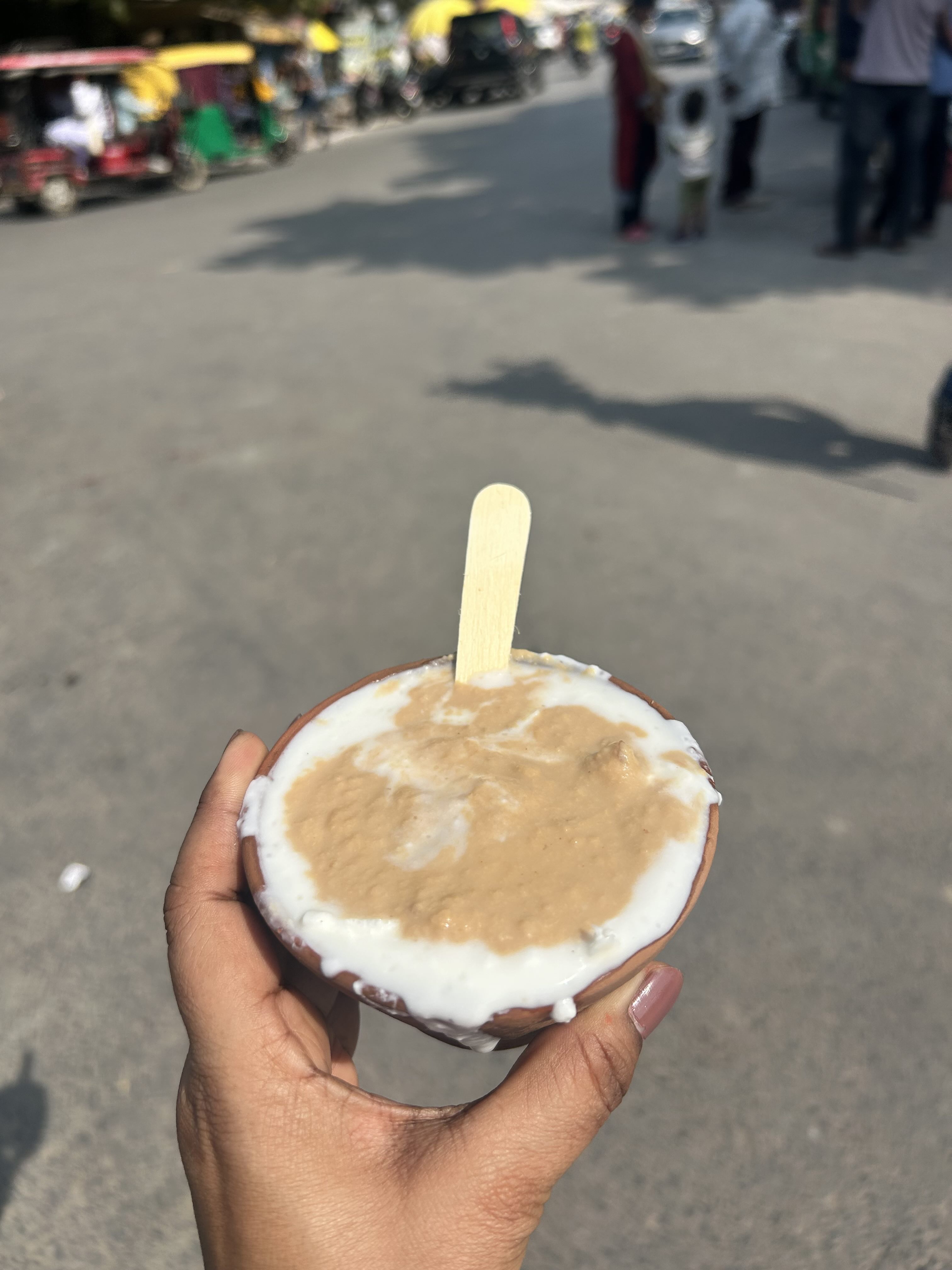

Almost next to the fort stands Shivji Lassi. The midday heat ensured that my feet found their way there almost automatically. After gulping down two glasses of lassi, I headed to the ancestral home of Lal Bahadur Shastri. It is a small but well-maintained house, offering a modest yet meaningful glimpse into the life of one of India’s most understated leaders.

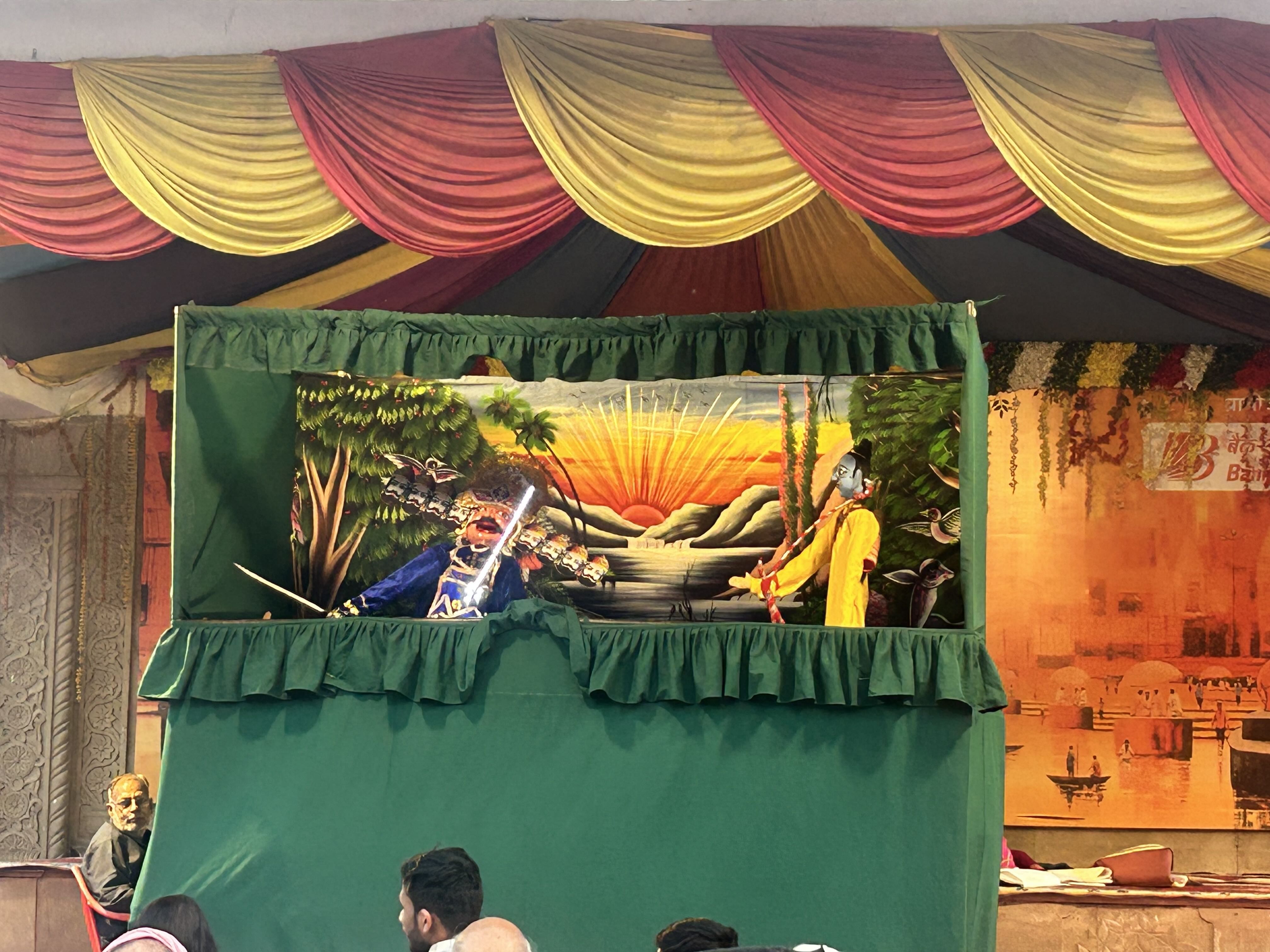
In the evening, I made my way to Assi Ghat to experience the Ganga Aarti. The first thing I encountered there was a puppet show based on the Ramayana. People were sitting, standing, moving around—but there was a curious method to the madness. As I walked further towards the aarti area, I found that most of the steps were already occupied. Somehow, I spotted a few chairs and promptly settled into one.

There is something surreal about hearing hundreds of voices recite the Hanuman Chalisa in unison. This was followed by the puja of Ma Ganga, during which the organisers invited devotees to participate. At one point, one of the priests admonished a devotee who seemed more concerned with taking photographs than with the prayer itself.
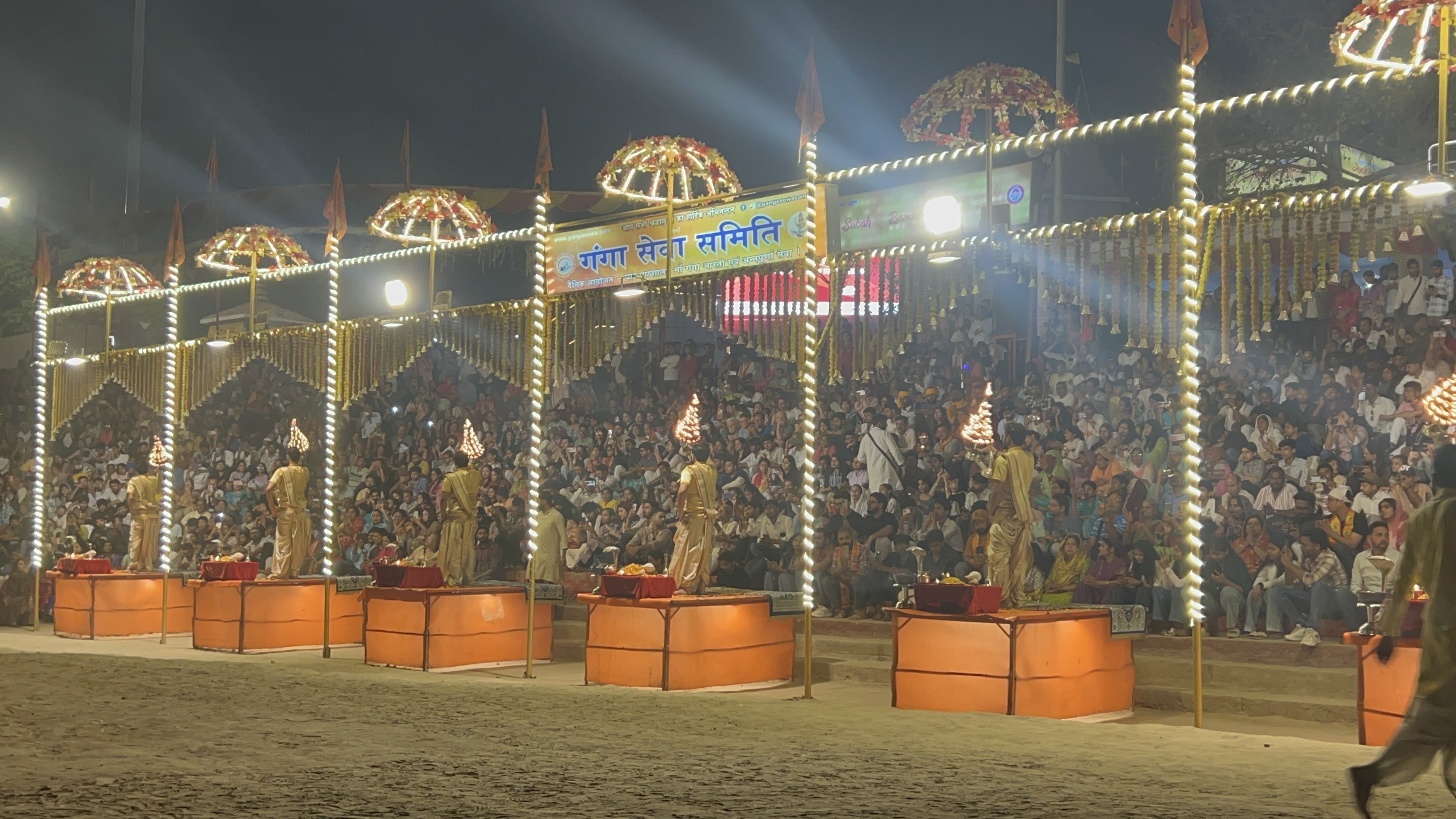

And then began the elaborate aarti.
I have always found aarti mesmerizing. But when it is carried out with such care, rhythm, and a sense of spectacle, it becomes truly unforgettable. As the aarti concluded and I slowly made my way towards the parking area, someone placed a bowl of prasad in my hands. Benaras, once again, in its own small way, touched the soul.


Thus ended my second day in the city of Shiv, a day of devotion, faith, and a little bit of history.
Between Benaras and Kashi: First Impressions of the City of Shiv

It was Benaras for my father and Kashi for my mother.
For my father, Benaras was a contradiction: a city where one seeks salvation, and where widows, until about a century ago, were often abandoned. For my mother, it was a city that lived vividly through Bengali literature, almost as if it were an enduring character in the novels she read. Somewhere between Benaras and Kashi, I do not know when it became the city I longed to visit at least once in my life. Perhaps the seed was sown in college, when I read and re-read Sarat Sahitya. In Sarat Chandra’s world, Benaras was never merely a backdrop; it was often a presence, almost a character in itself.


I had been planning this trip for a while, but somehow it never materialised. Then came the long Holi weekend, and I decided to take the plunge. It certainly helped that I had a colleague who had lived and studied in Benaras. And so, on a Friday afternoon, I landed in the city of Shiv.
Though I had drawn up a fairly detailed itinerary, the midday sun, coupled with a bit of laziness, ensured that I did not step out until evening.


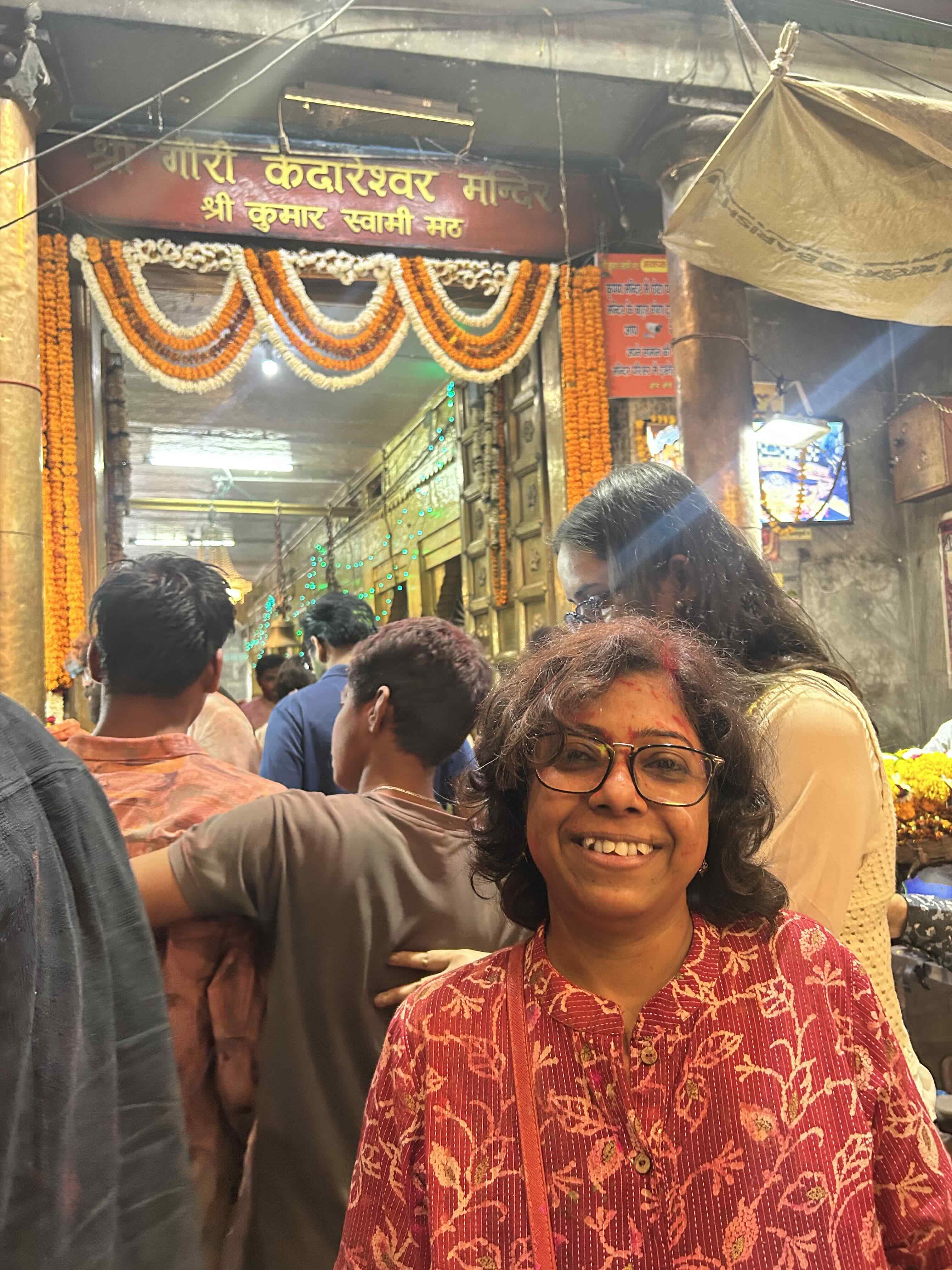
That evening, an acquaintance in the city reminded me that I had arrived on the auspicious day of Rangbhari Ekadashi, and that I must experience it. Rangbhari Ekadashi is believed to mark the day Shiv entered Kashi with Gauri for the first time after their marriage. I took an auto and reached the chowk near Kedar Ghat. Harshit met me there, and together we walked towards the Gauri Kedareshwar Temple.


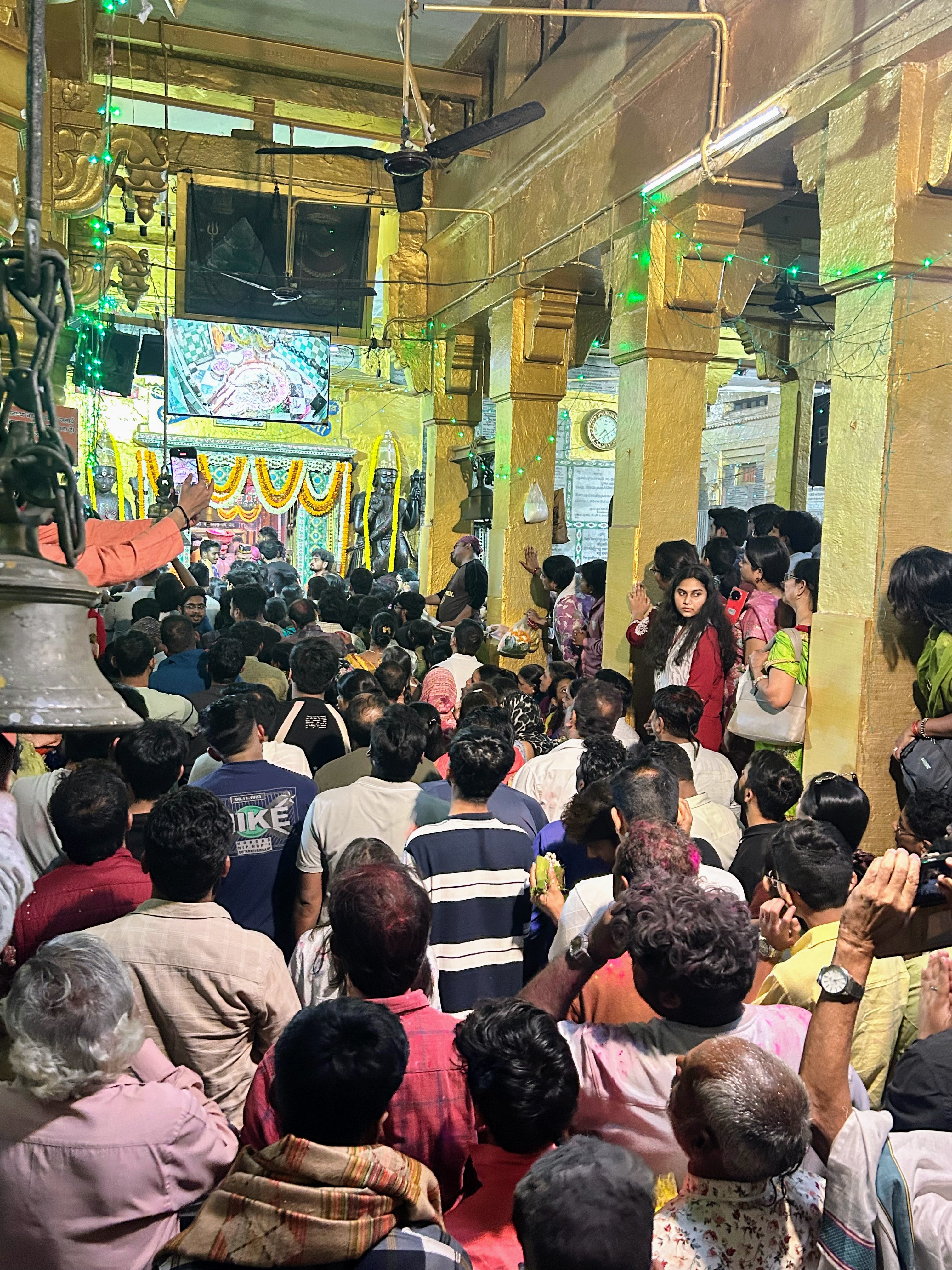
Our first stop was the ancient Chintamani Ganesh Mandir. From there, we made our way to the Gauri Kedareshwar Temple. We removed our sandals, and I was handed a paper cup containing what I assumed was water. I took a sip. The moment I realised it was not water, I peered into the cup. Harshit was scandalised. It was meant to be an offering. Armed with a fresh paper cup, I walked in again, slightly embarrassed, and joined the sea of humanity.


One of the twelve Jyotirlingas, the temple was in the midst of an elaborate puja for Rangbhari Ekadashi, and the rituals were being broadcast live on a screen outside. Technology, used well. After almost an hour, the puja concluded, and we slowly inched our way towards the sanctum sanctorum. Then I looked up at the screen and saw devotees rush in, jostling to touch the Shiv Linga. One part of me wanted to leave. But I was too deep inside the crowd by then, and there was no turning back. Swept along by the tide, I moved forward until I finally reached the Shiv Linga.


It is unusual, more an outcrop of rock than the smooth form one typically expects. Yet, despite the crush of the crowd, I somehow found a moment. A brief, still moment. I prayed, touched the Shiv Linga, and came out of the temple.


My pet peeve during temple visits has always been the speed with which one is pushed out of the inner sanctum, sometimes before one has even finished praying. But today, despite the crowd and the jostling, I was granted that moment. And that felt deeply satisfying.


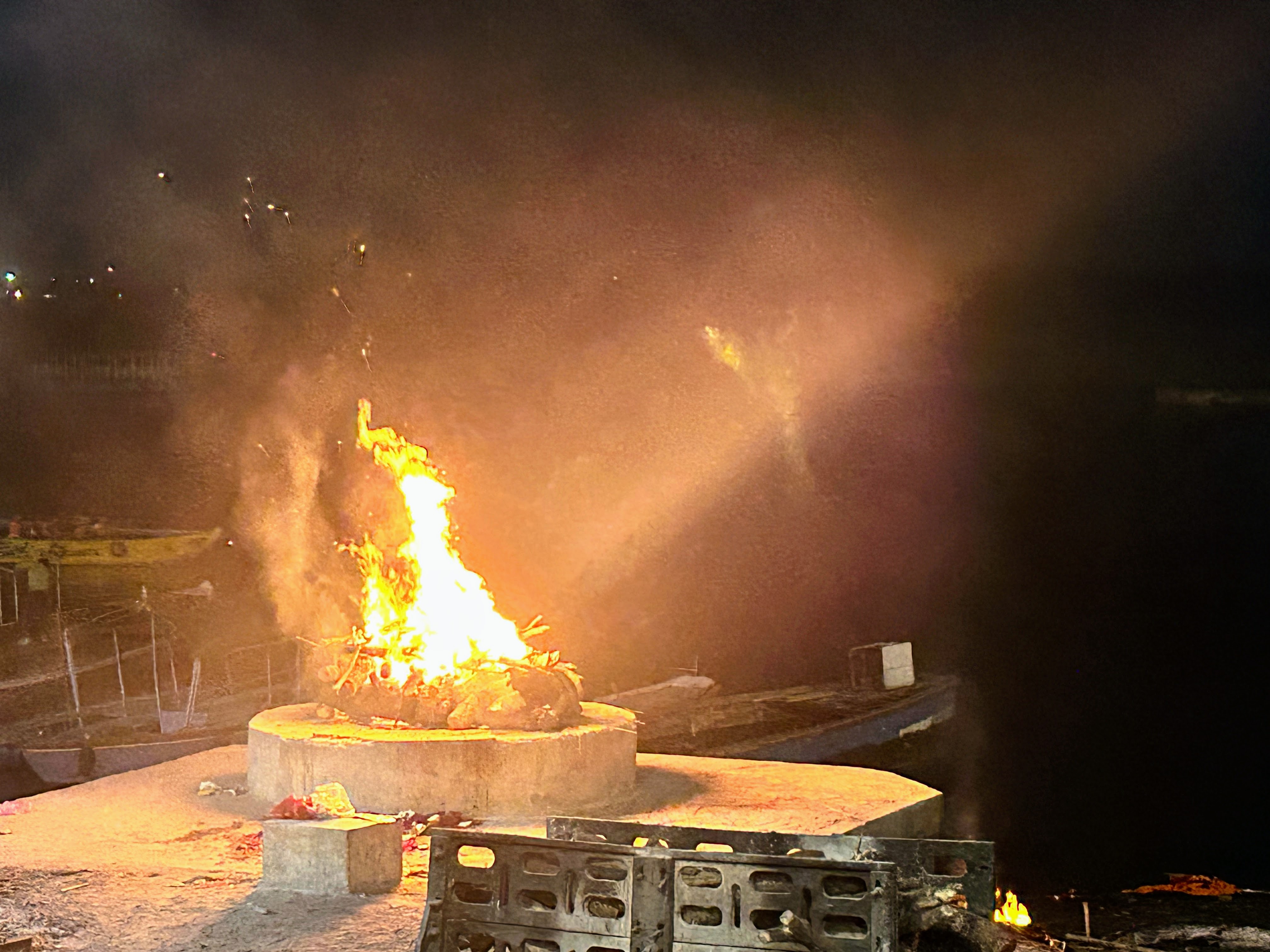
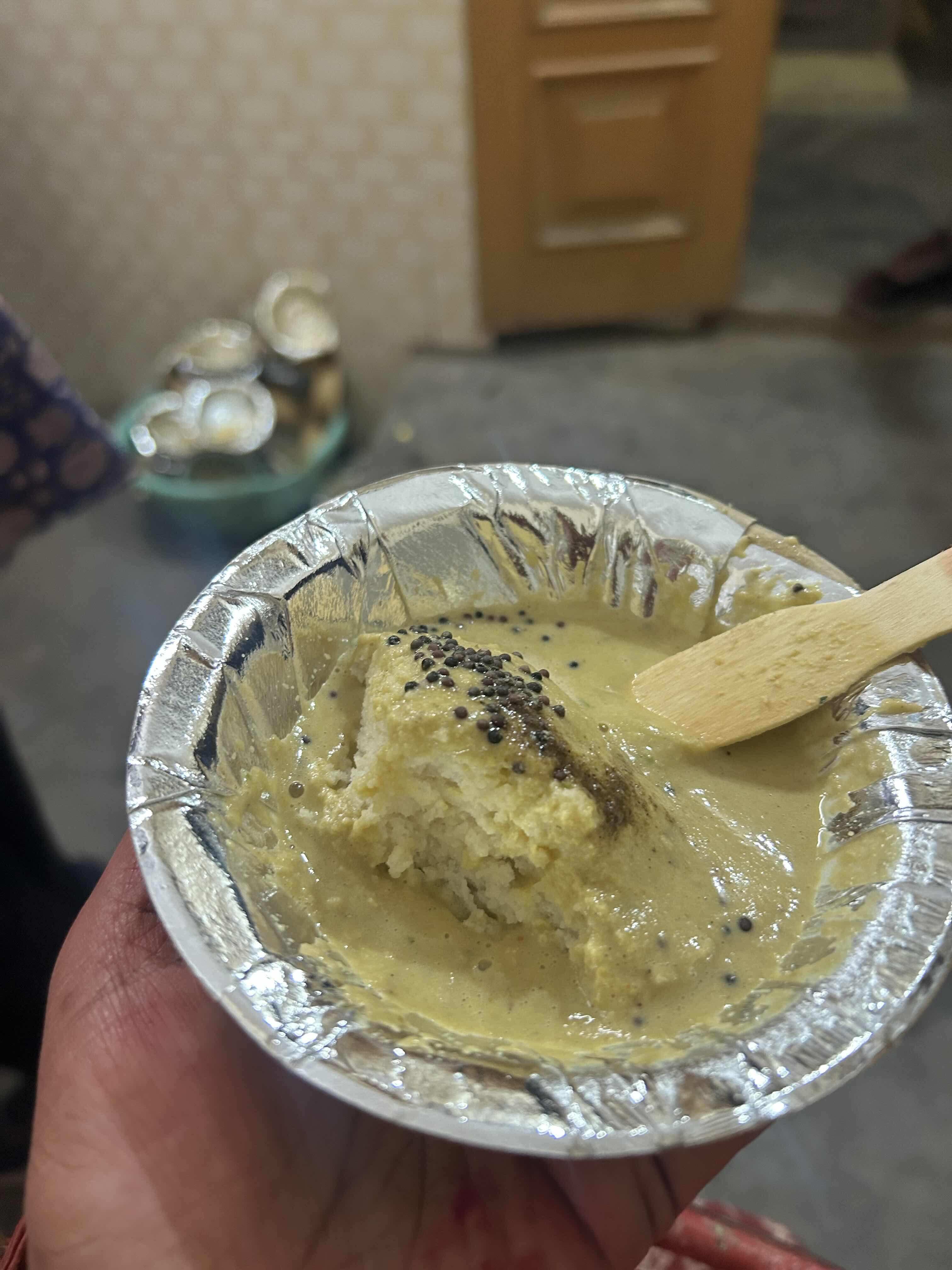
Once the visit was over, Harshit took me on a food trail through the city. We crossed Harishchandra Ghat, where funeral pyres burned even as life moved on around them, and then plunged once more into the crowds. Our first stop was idli served with dal chutney. From there we headed to Keshri Chaat, Harshit expertly manoeuvring his scooter through the dense, chaotic lanes while I sat pillion, equal parts anxious and exhilarated.


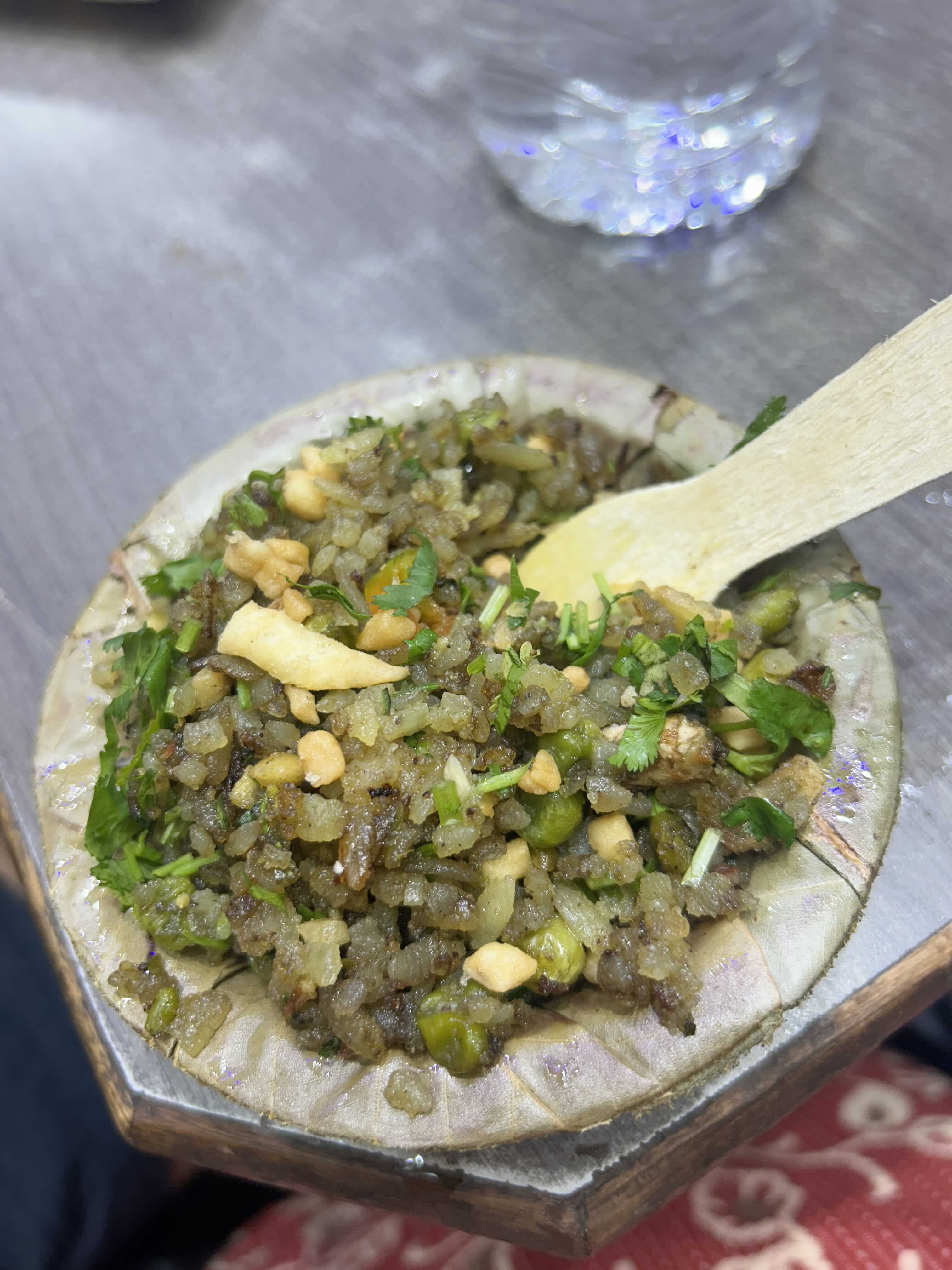
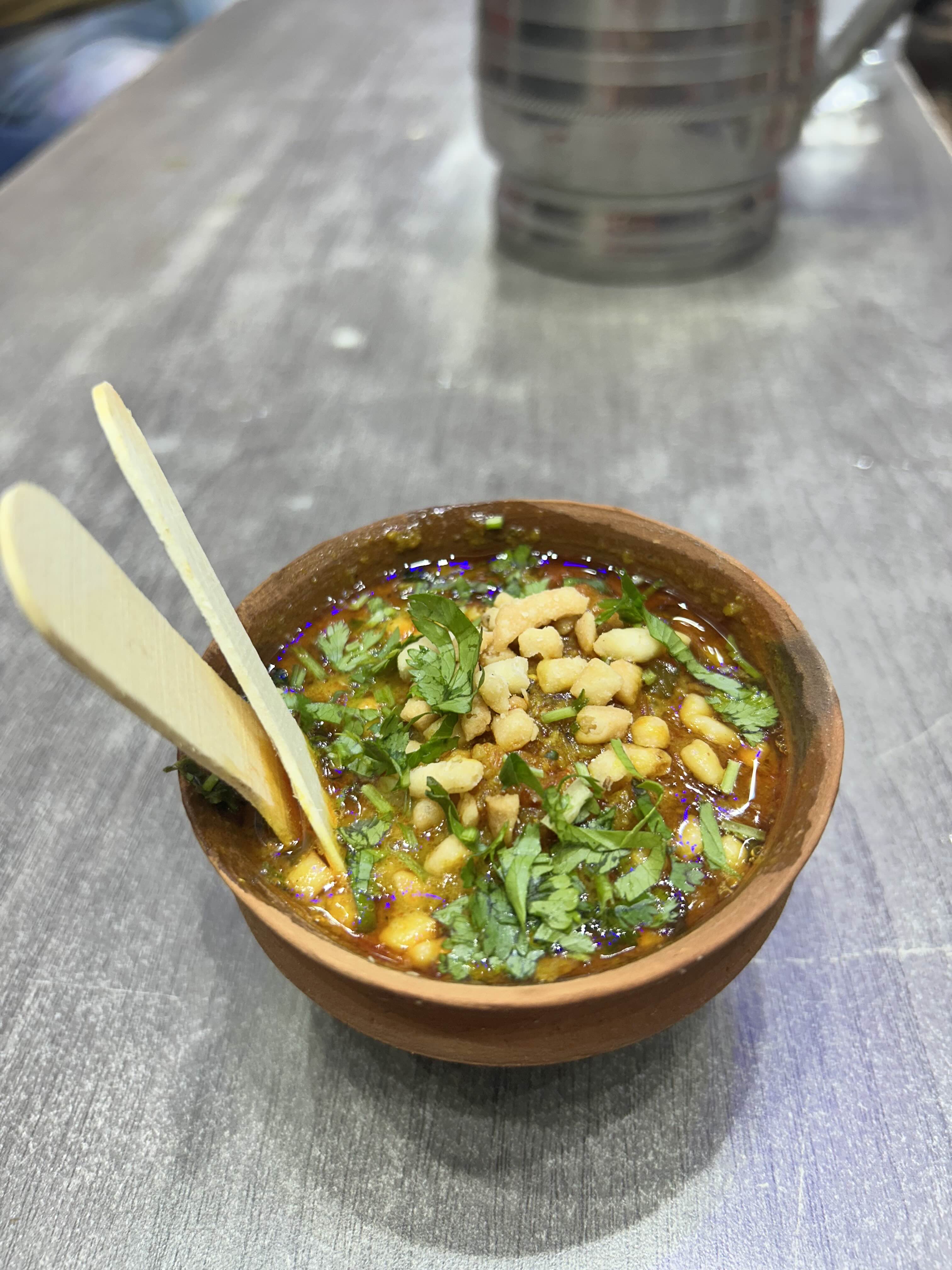
The quality of the chaat was evident from the crowd gathered outside the shop. I began with tamatar ki chaat, followed by palak patta chaat, gol gappa, and finally chewra matar—an interesting preparation made with chewra, or poha as we usually know it.


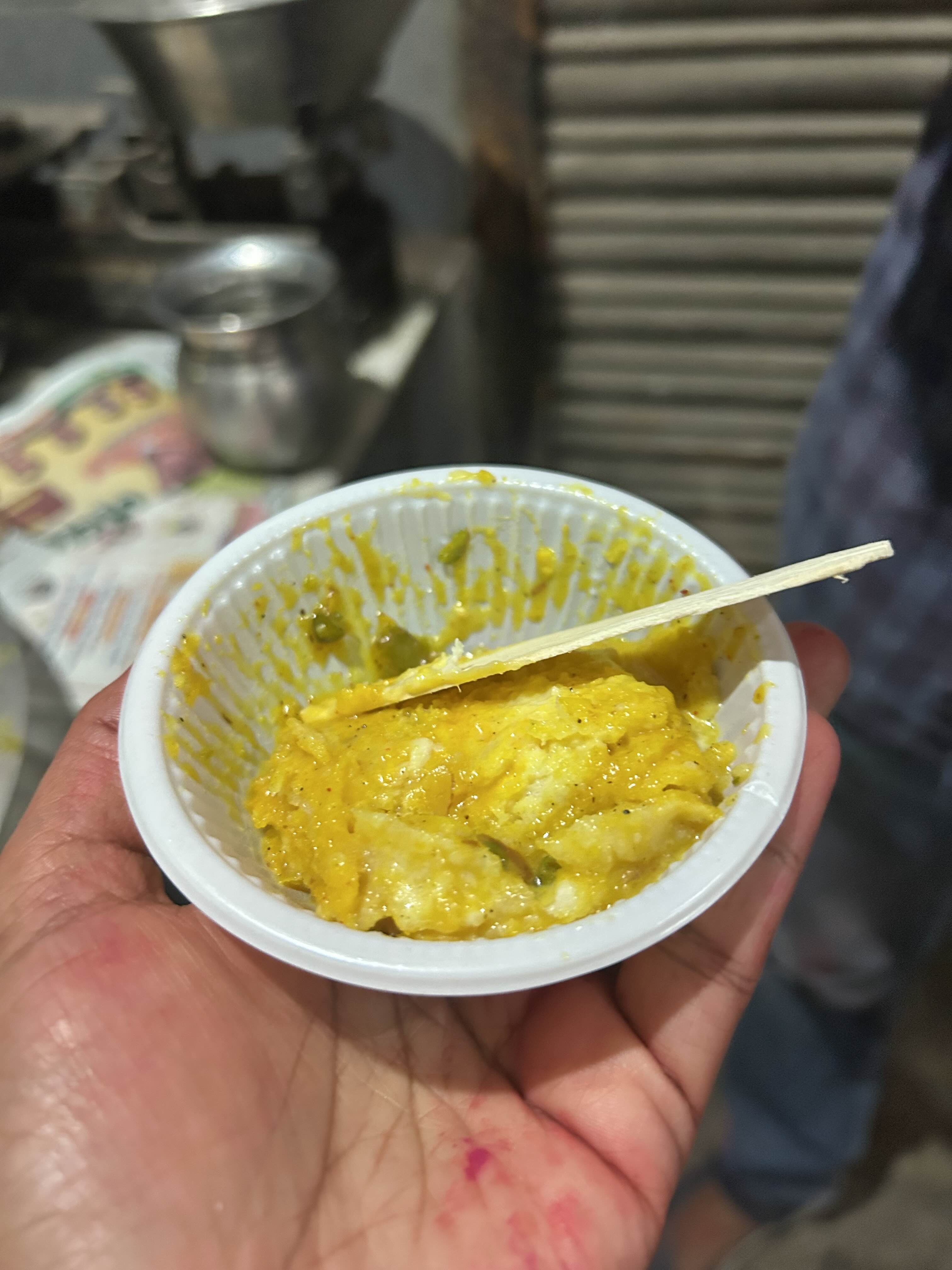
We then set out in search of thandai. With the narrow lanes teeming with two-wheelers and pedestrians, it was a challenge of its own. Unfortunately, we were too late. By the time we reached, the thandai was over. Harshit then took me to a place, opposite Parshuram Mahadev mandir, selling a sweet made of malai, which is interestingly named ‘palangtodh’.


And thus ended my first day in Benaras. A day when Shiv pulled a crowd-averse traveller into the heart of a celebration—and left her unexpectedly, completely satisfied.