Hauz Khas has always been that buzzing South Delhi address — synonymous with nightlife, chic cafés, designer boutiques, and a medley of world cuisines. For me, it had long existed as that happening urban village, where the city comes to unwind. Someone had once mentioned there were “some old monuments” tucked away there, but then, Delhi has monuments scattered like punctuation marks in its long, layered history.
So when an email from INTACH dropped into my inbox about a heritage walk through Hauz Khas, curiosity nudged me to sign up. That is how, on a quiet Sunday morning, I found myself standing with fellow history enthusiasts at the gates of the Hauz Khas mosque — ready to peel back the centuries, guided by the brilliant storyteller Ratnendu Roy.
Stepping Into a Medieval Campus
Hauz Khas was originally built by Alauddin Khilji and reached its pinnacle under Firoz Shah Tughlaq. As we walked into the mosque and madrasa complex — complete with hostel cells once meant for students — it was easy to imagine its glory days: serene gardens, the expansive water tank shimmering beyond, and scholars breathing life into its stone corridors.
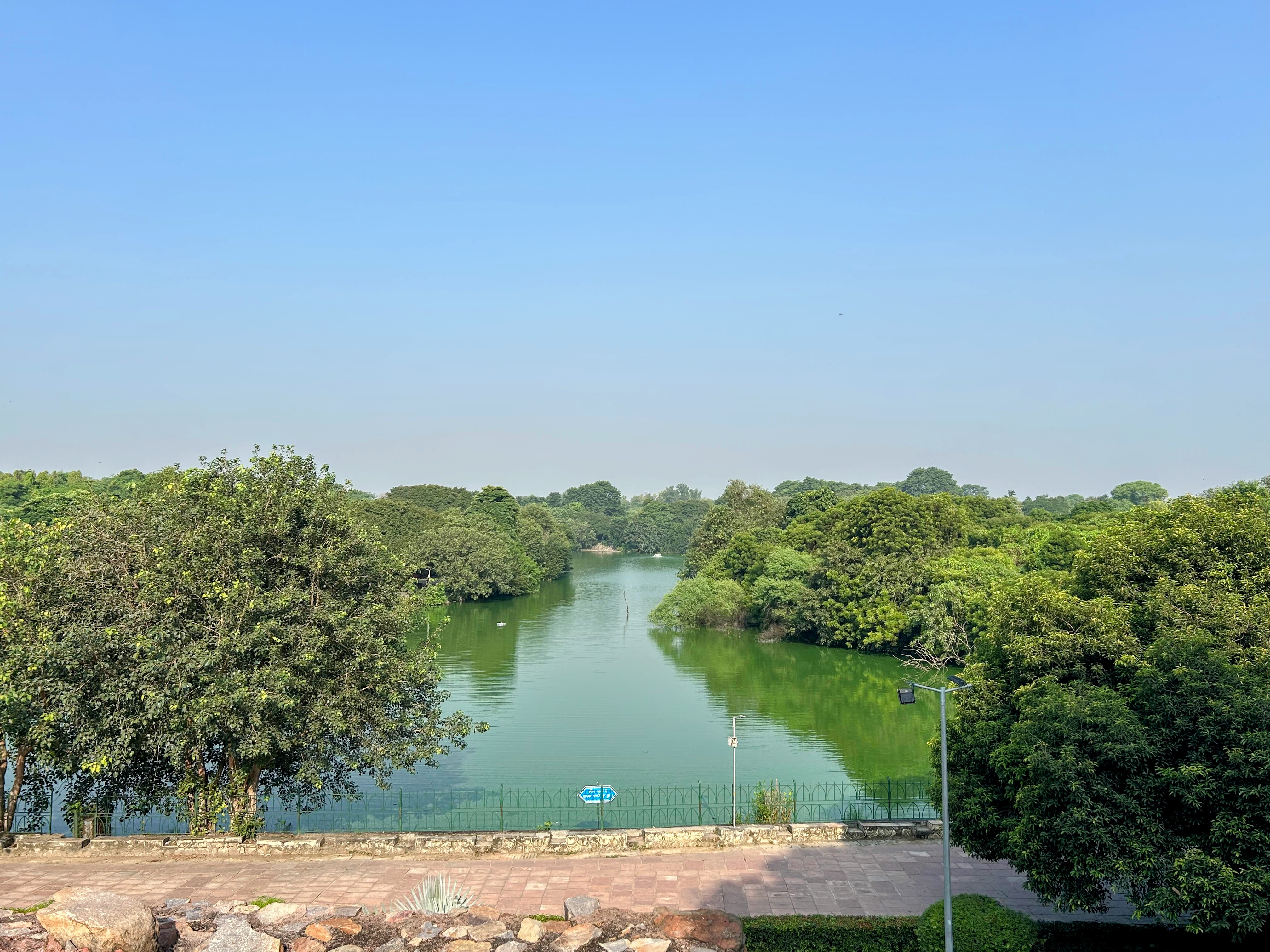
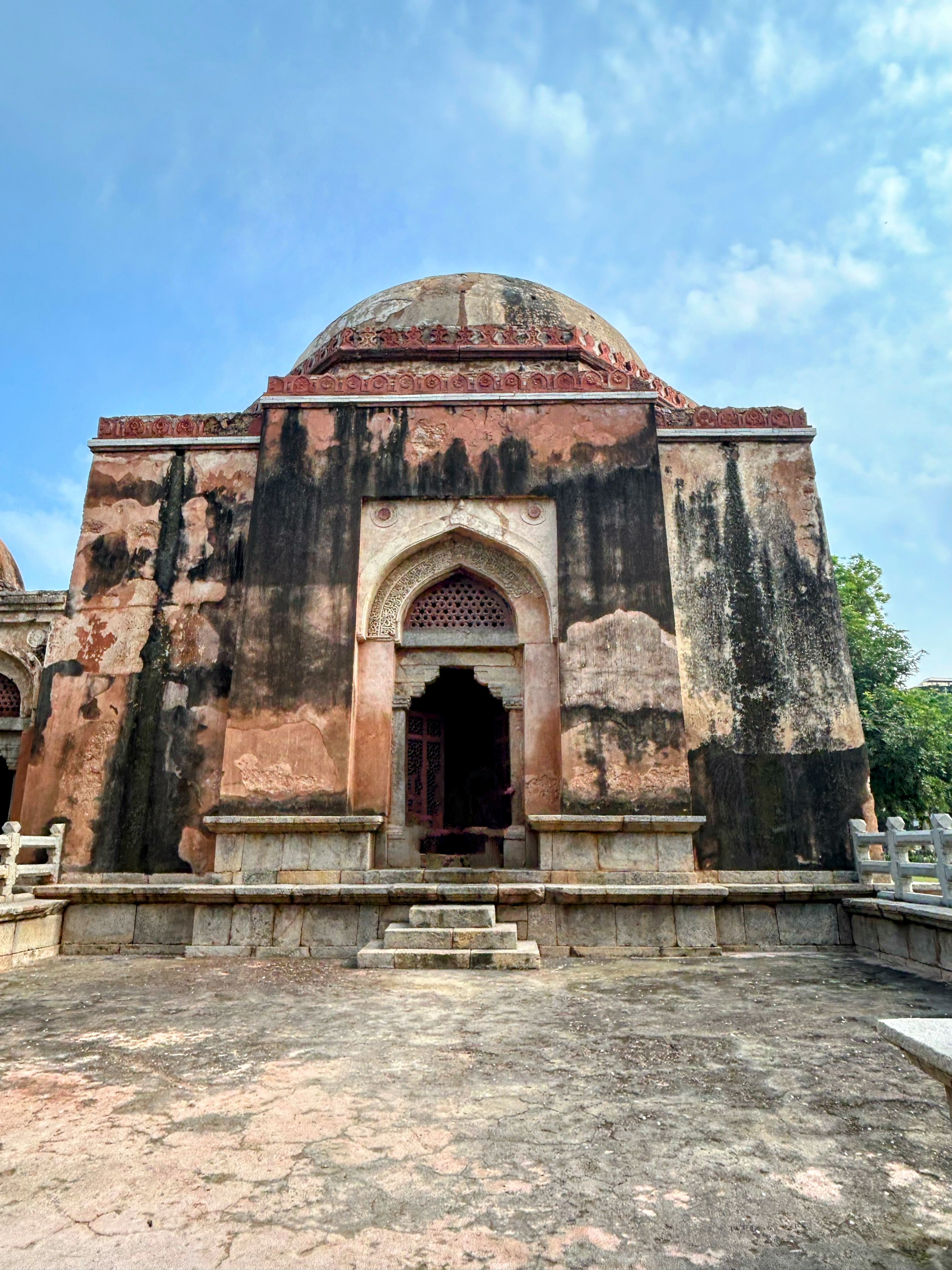

Tucked within the complex are several tombs, the most prominent being that of Firoz Shah himself. Legend has it that the surrounding village grew as an ecosystem around this premier centre of learning. Even today, gazing out from the madrasa’s colonnaded windows towards the hauz (reservoir), the scene feels remarkably tranquil — as if time has paused just for a moment.


From Forgotten Village to Trendy Hotspot
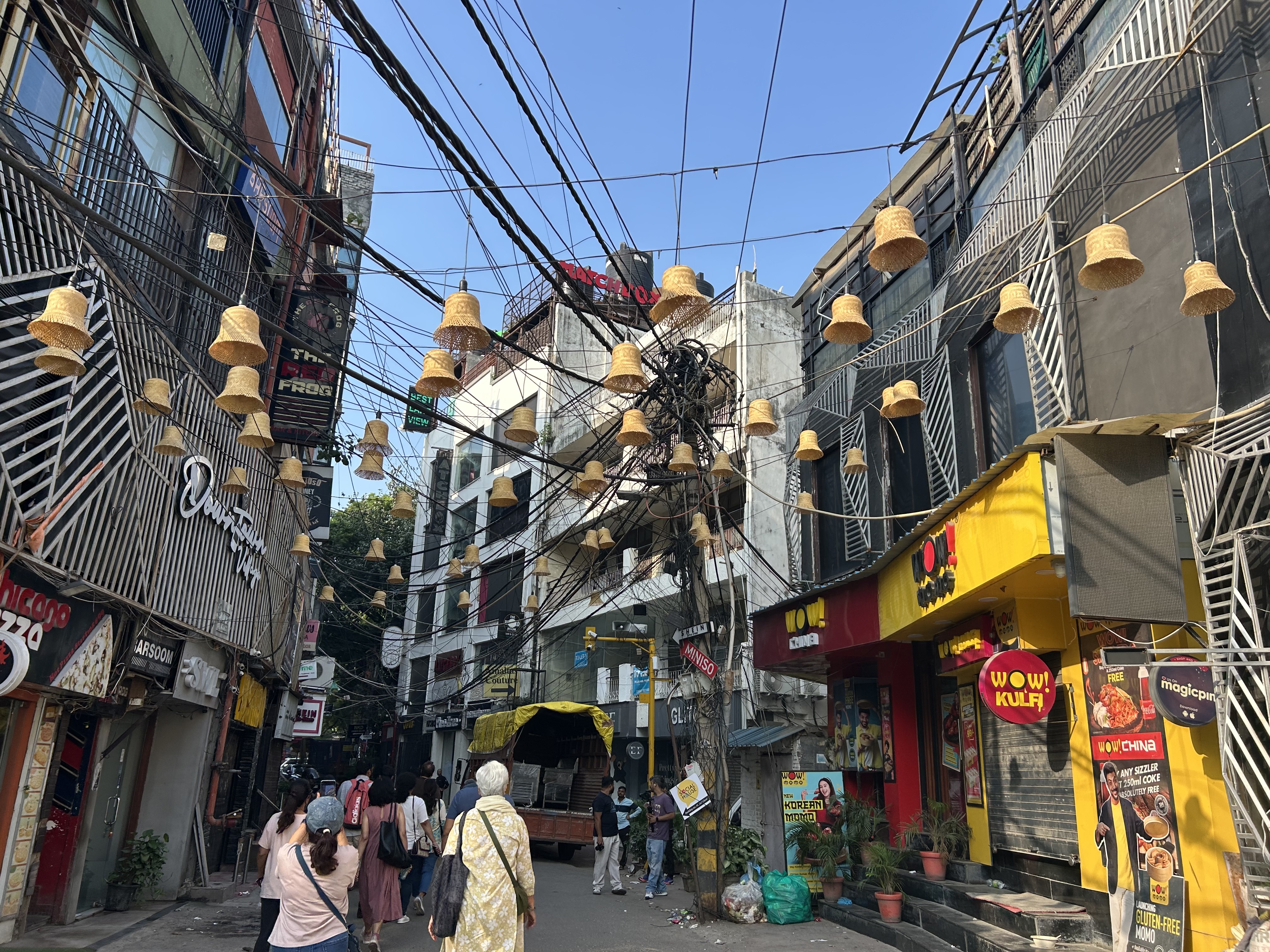
Hauz Khas village lay largely forgotten until the mid-1980s, when designers and café owners “discovered” its rustic charm. Boutiques sprang up in old village homes, and the area morphed into Delhi’s go-to party destination. Yet behind the neon signs and polished façades, you can still spot the original mud-brick houses — a whisper of the village it once was.
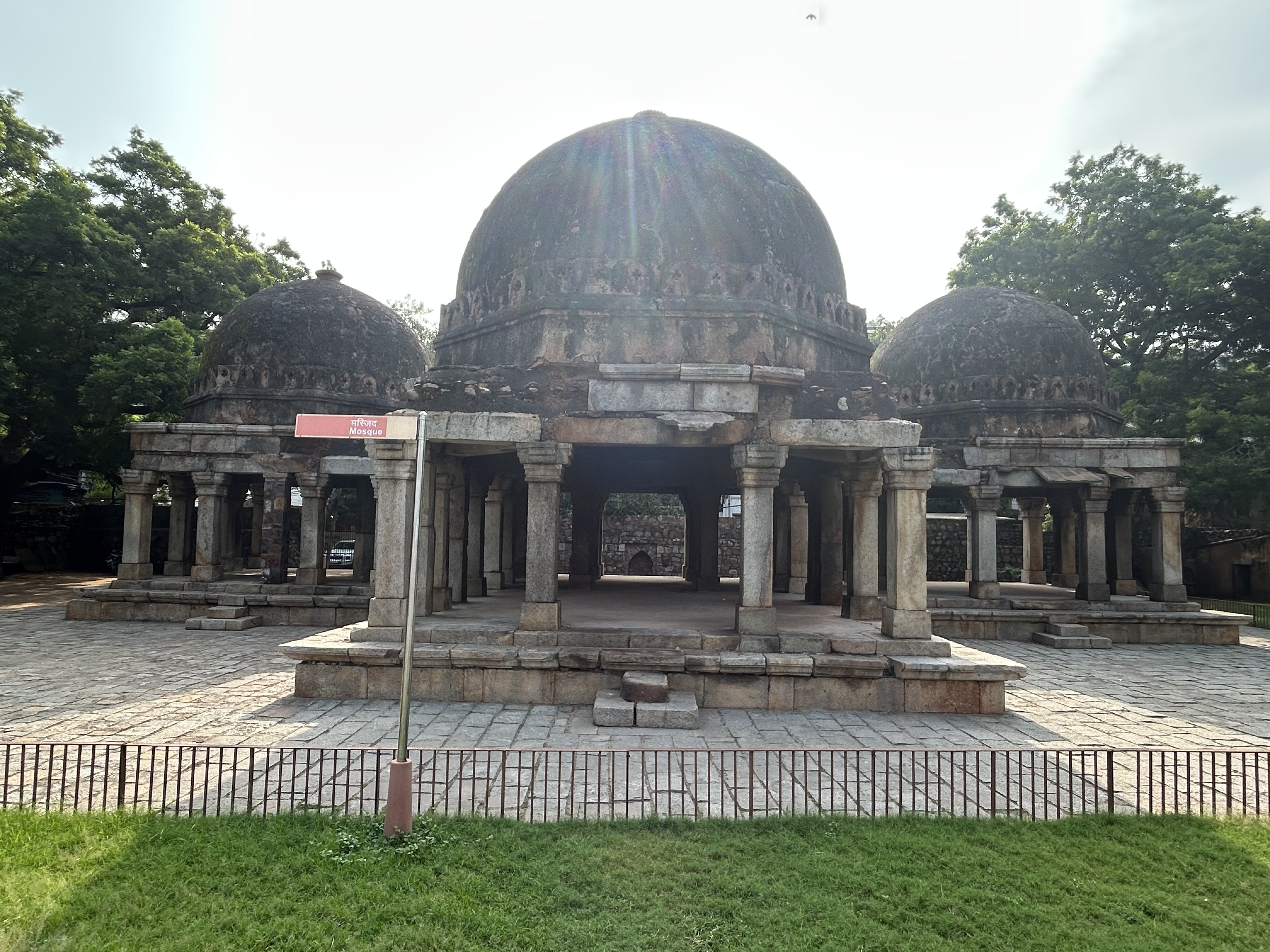
A short stroll led us into the lush Deer Park. It is one of those rare green islands in Delhi where city sounds dim into silence. Joggers, families, and groups of friends dotted the winding paths. Within its leafy expanse stand two medieval gems: the Lodhi-era Bagh-e-Alam ka Gumbad, said to have taken inspiration from Firoz Shah’s tomb, and the diminutive Kali Gumti, whose cenotaph has vanished into history’s mists.
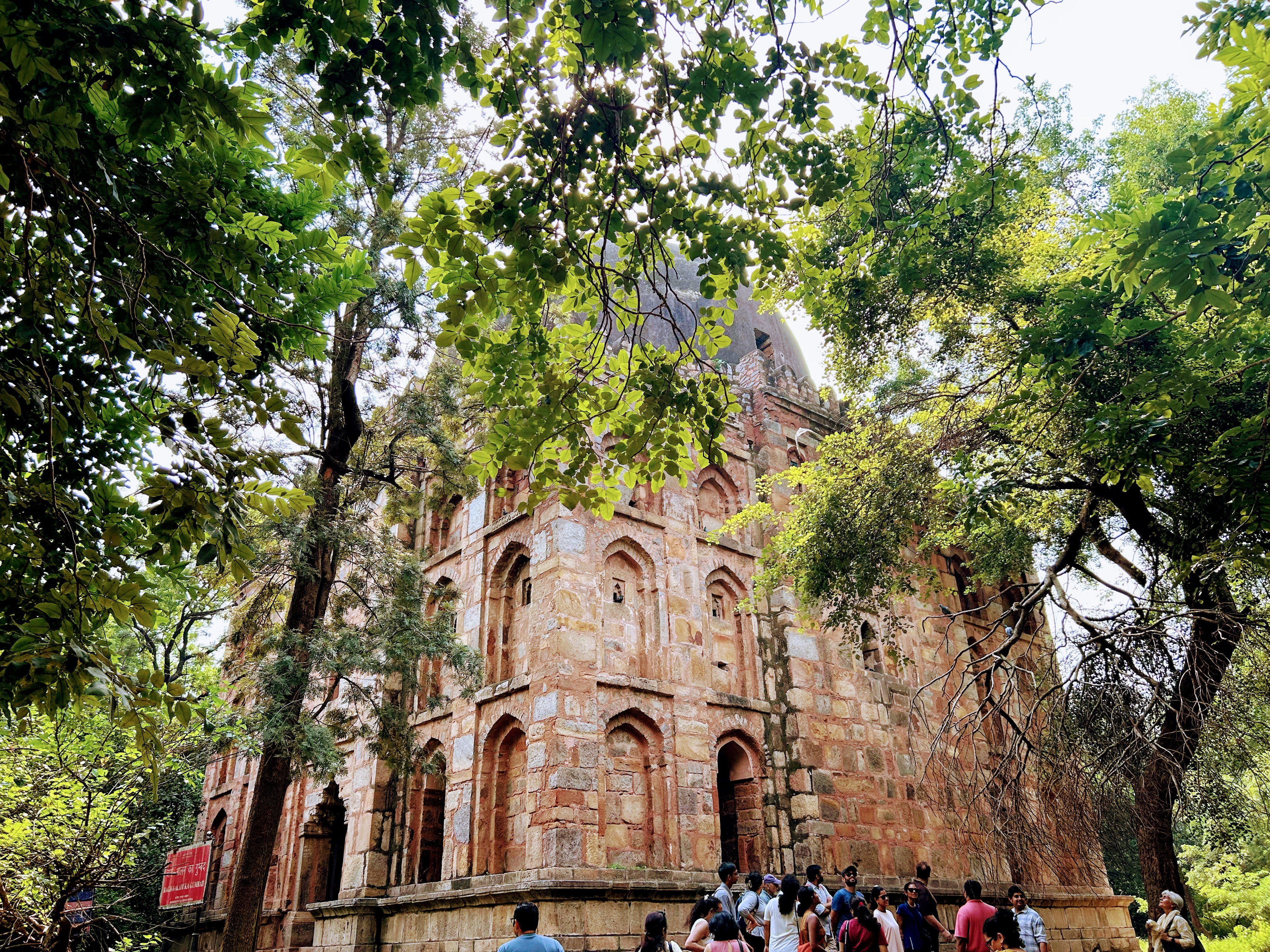

Munda Gumbad and the Whisper of the Wind
The walk ended at Munda Gumbad — literally the “headless dome” — a pleasure pavilion once located on an island in the middle of the reservoir. Encroachments have since pushed the water’s edge far back, but the charm lingers. Climbing the short steps, I was met with a 360° panorama: the green canopy of the park, the stone silhouettes of monuments, and the glimmering water. A soft breeze wrapped around us, and I found myself imagining an earlier time — boats gliding across the water, ducks splashing, and royalty reclining under the dome to escape the summer sun.

As we were walking towards the Munda Gumbad, a sudden rustling and cacophony above made us look up — a massive colony of bats hung like dark fruits from the branches overhead. I had never seen so many at once; they seemed like watchful guardians of the place’s secrets.

Threads Between Past and Future
Along the walk, our conversations meandered — from vandalised monuments and encroached heritage zones to the challenges of restoration, the scarcity of funds, and the lack of public awareness. It struck me then: history is not just an episode of the past. It is a thread that connects us to the future — a legacy to be understood, protected, and cherished.
A Sunday morning, well spent. A city rediscovered.
 Jajabor