Do most people love hoarding things? Even the ones that don’t work anymore? I certainly do. But space is finite, and eventually, sentiment has to bow to practicality.
One casualty of this weekend’s decluttering was my old point-and-shoot camera — long kaput, yet faithfully carried through every house shift. In its final moments, it gave me a parting gift: an SD card with forgotten photographs.
They took me back almost a decade, to a time when my mother and I were enthusiastic long-weekend travelers. And to one trip in particular — to Krishnanagar in West Bengal — born out of nothing less than maternal blackmail.
Blackmail in the Name of Travel
The culprit? My mother. The crime? Forcing me — almost at gunpoint — to accompany her to Mayapur, ISKCON’s headquarters. Her partner, my aunt.
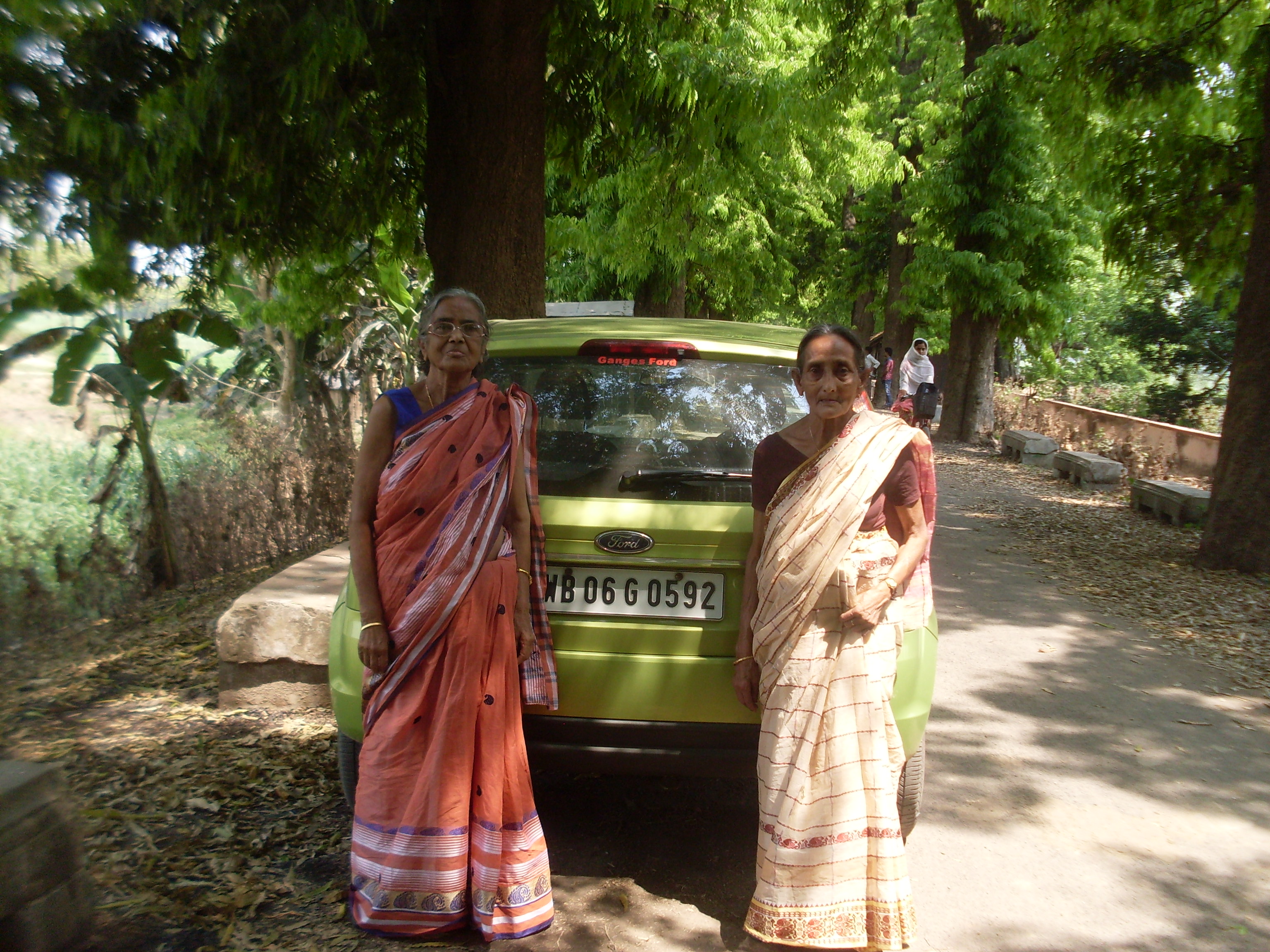
Never keen on religious tourism, I dug deep for excuses. She countered with an irresistible teaser: “There’s more to Mayapur than just ISKCON.” And as they say — “Tujhe sab he pata hai, na Ma.”
A little research revealed that the area was steeped in history. Soon, my resistance melted into curiosity.
The Journey Begins
Mayapur lies at the confluence of the Ganges and Jalangi rivers, in West Bengal’s Nadia district, about 130 km from Kolkata. It’s near Navadwip, the seat of Vaishnavism, and is considered the birthplace of Sri Chaitanya Mahaprabhu, regarded as Krishna’s incarnation.
We booked ISKCON guesthouse rooms through their Kolkata office, checked in, and immediately set off for our first stop: Palashi — better known as Plassey.
Palashi — Where History Changed Hands
On June 23, 1757, Palashi witnessed the Battle of Plassey — a turning point in Indian history. Nawab Siraj ud-Daulah’s forces fell to Robert Clive’s East India Company, paving the way for British dominance in Bengal and eventually the subcontinent.
Arriving at the site, we found nothing but green fields. A paan shop owner confirmed, “Yes, the battle was fought here… but now we grow crops.” No plaques, no elaborate memorials — just paddy swaying in the wind.
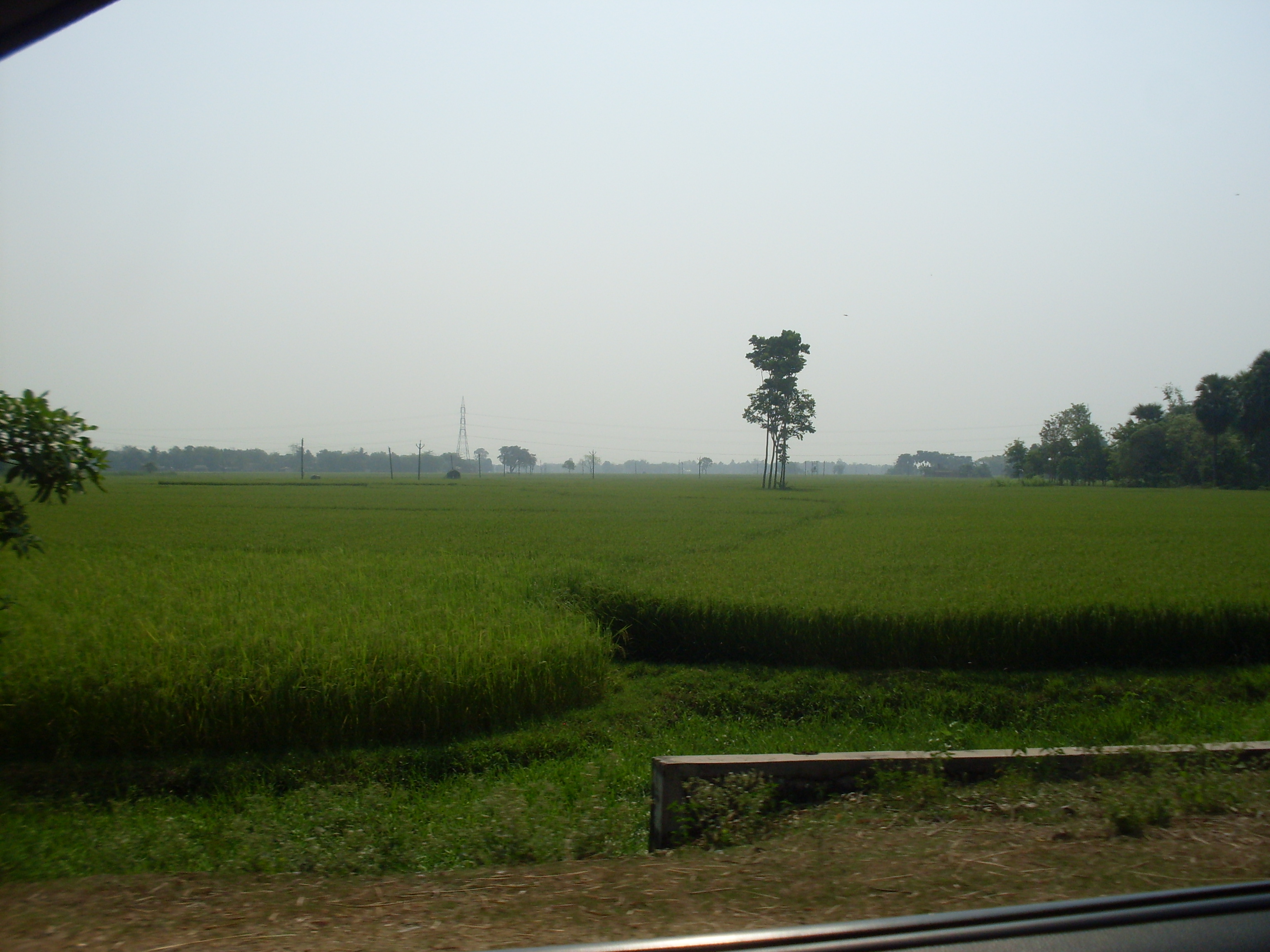
My driver refused to let the anticlimax stand. Guided by an elderly local, we eventually found a small, plain monument marking the spot. For a battle that altered India’s destiny, the simplicity was striking.

Krishnanagar — Churches, Palaces, and Clay Dolls
From Palashi, we headed to Krishnanagar. Our first stop: the Roman Catholic Church — an elegant cathedral housing 27 oil paintings depicting the life of Jesus Christ, alongside intricate wooden sculptures by Italian artists.
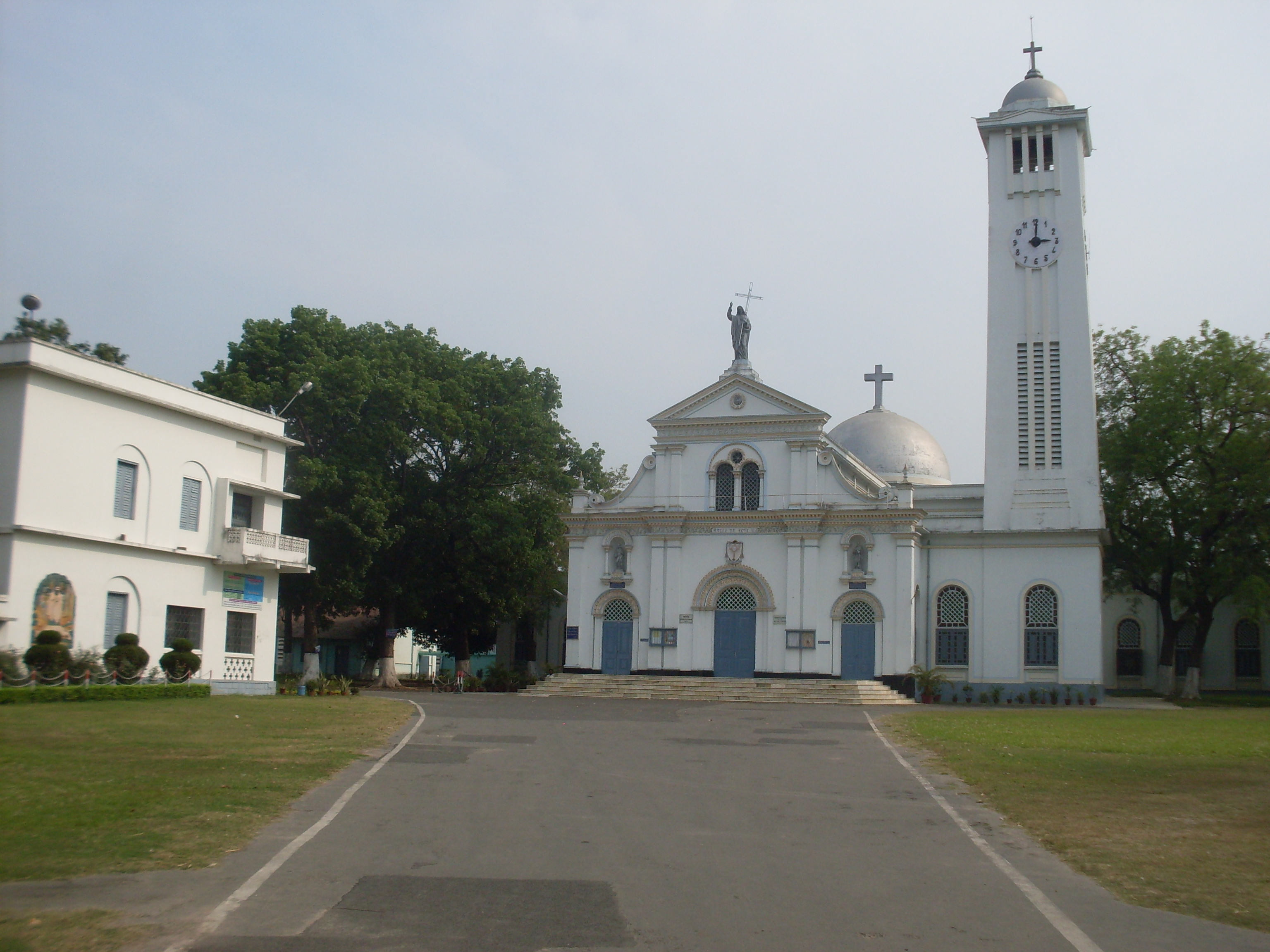


Catholic missionaries arrived in the region as early as the 17th century, and the current church was built in 1899 by Bishop Frances Pozzi.
The mood shifted when we visited the Rajbari of Raja Krishna Chandra Rai. Once a royal showpiece, the palace now serves as a parking lot and fairground. The grandeur has faded, its arches and courtyards bearing the scars of neglect.

Ghurni, however, brought back the charm. This neighbourhood remains a hub for Krishnanagar clay dolls, a tradition championed by Raja Krishna Chandra himself. The lifelike figurines, some no taller than a thumb, seemed to hold entire stories in their painted expressions.
Ballal Dhipi — Unearthing the Past
The next day took us to Ballal Dhipi in Bamunpukur village — a 30-foot-high mound spread over 1,300 square feet. Excavated in the 1980s, it revealed a massive brick complex, stucco heads, terracotta figurines, and copper utensils — dating as far back as the 8th–9th centuries, with later structures attributed to the 12th-century Sena dynasty ruler, Ballal Sen.


Standing there, with the wind carrying whispers of centuries past, it felt like touching the layered skin of Bengal’s history.
A Line on the Map
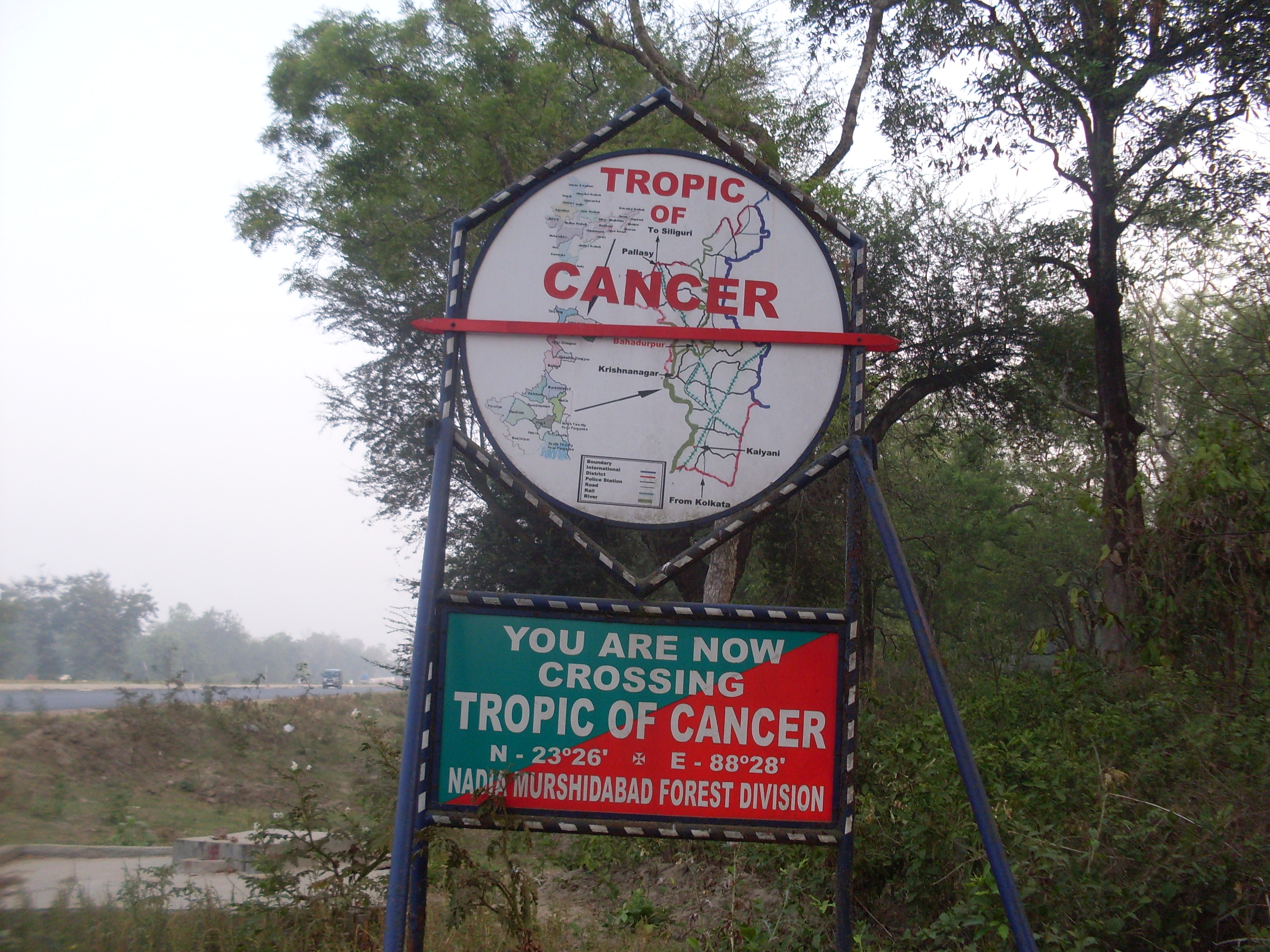
On our way back to Kolkata, a roadside sign brought a geographic surprise: “You are now crossing the Tropic of Cancer.” Not many trips let you straddle history and geography in the same breath.
And Mayapur?
That tale will need another trip — and another story.
As for this one, the blackmail was worth it. My mother loved the historical detour, even if she missed the spiritual one she had planned. And I walked away with a camera full of memories I’d only rediscover years later.
 Jajabor