Tag Archives: india

Purana Qila and Me: A Sunday Rediscovery

The Rant Before the Romance

Let’s get this out of the way — navigating to Purana Qila or even the Delhi Zoo is a task that tests patience. You’d imagine that such landmark institutions would be well-marked, but no. The absence of clear road signage makes you meander through a confusing network of turns and traffic. You arrive more relieved than excited. Rant over.

First Glimpses, Lasting Impressions

My relationship with Purana Qila began from a distance. I first came to Delhi in 2003. Living in Noida and working in Connaught Place, my daily commute via Mathura Road brought me past those imposing fort walls. Every day, I’d glance at them and wonder — what stories do those stones hold?

But like many things in life, wonder didn’t translate into action. During those five years in Delhi, I never crossed the threshold.
A Scorching Start

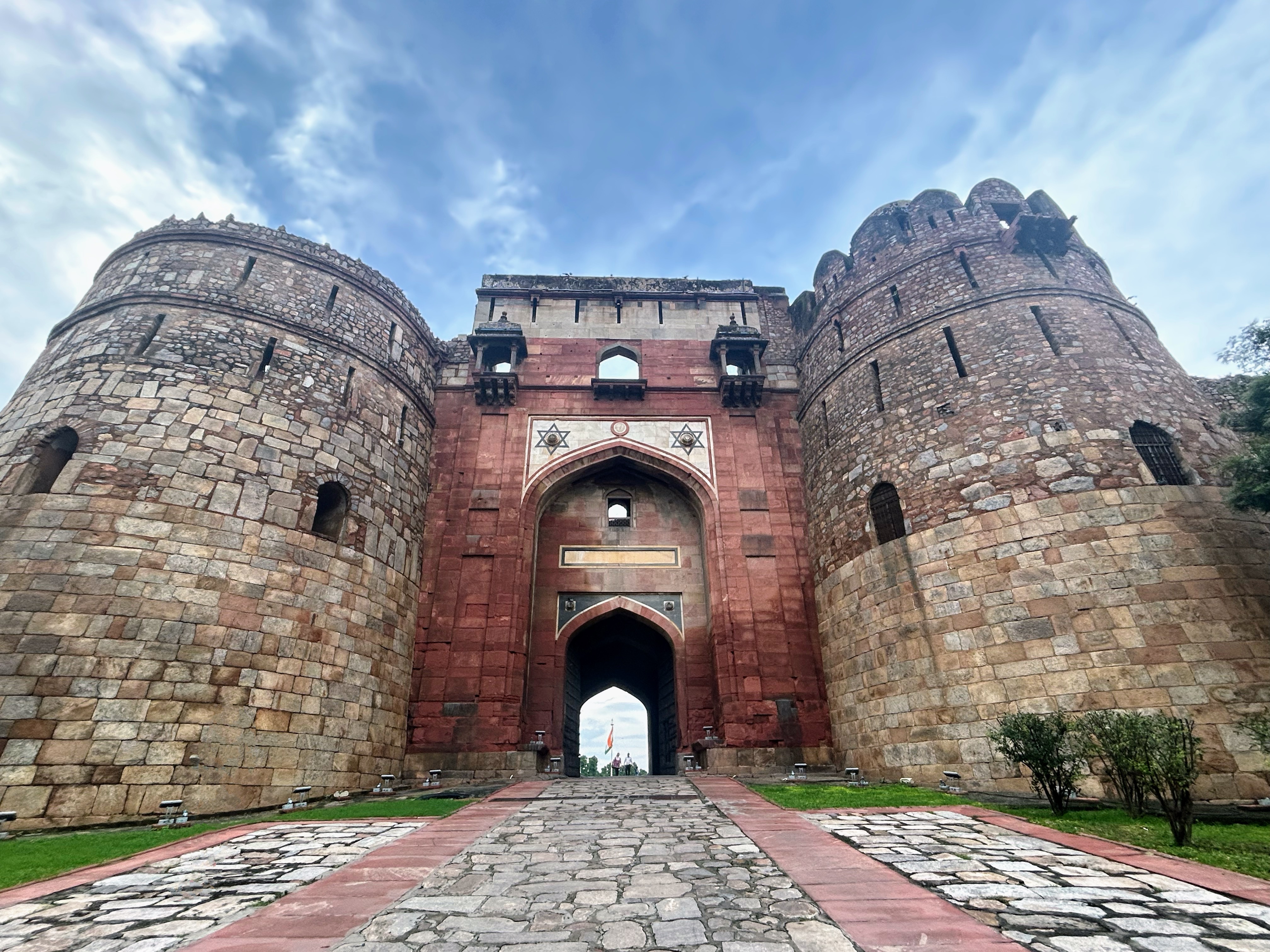
Years later, Delhi called me back. This time, I finally entered the fort — albeit during one of its infamous blistering summers. The heat was relentless, and the visit brief, rushed, and largely overshadowed by the lure of an air-conditioned retreat.

This Sunday: A Walk Through Time

Last Sunday, I joined a heritage walk with Enroute Indian History. The experience was different — thoughtful, immersive, and filled with the kind of stories that give walls a voice.

Purana Qila, they said, was built on the ruins of history itself. The Mughal emperor Humayun built his capital, Dinpanah, here. His rival, Sher Shah Suri, later took over, expanding and fortifying the structure into what we now see — layers of ambition etched in sandstone.
The Talaqi Darwaza Mystery

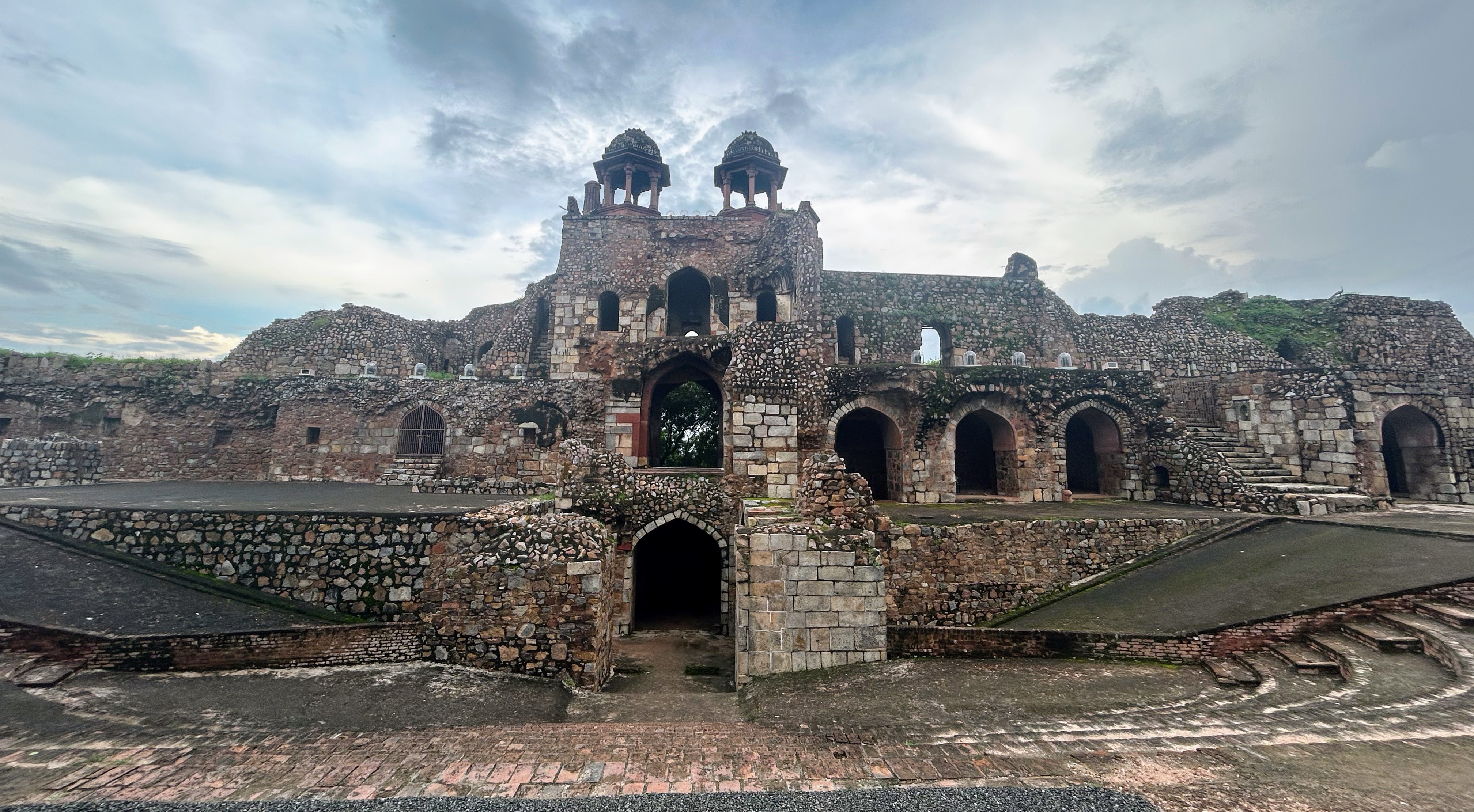
We stopped at the Talaqi Darwaza — a magnificent gateway sealed shut for nearly 200 years. The River Yamuna used to flow next to the fort, and one can still see the boat landings at the Talaqi Darwaza and Humayun Darwaza. We were told no one had walked through it in generations. And then, as if summoned by our collective curiosity, a small pedestrian door in the grand gate creaked open. A workman stepped through. Our group rushed toward the passage, only to be gently turned away by the guard. Restoration work, he said. The door may have opened, but not for us.

A glimpse of the forbidden. A tease of time.

Qila-i-Kuhna Mosque: Geometry and Grace

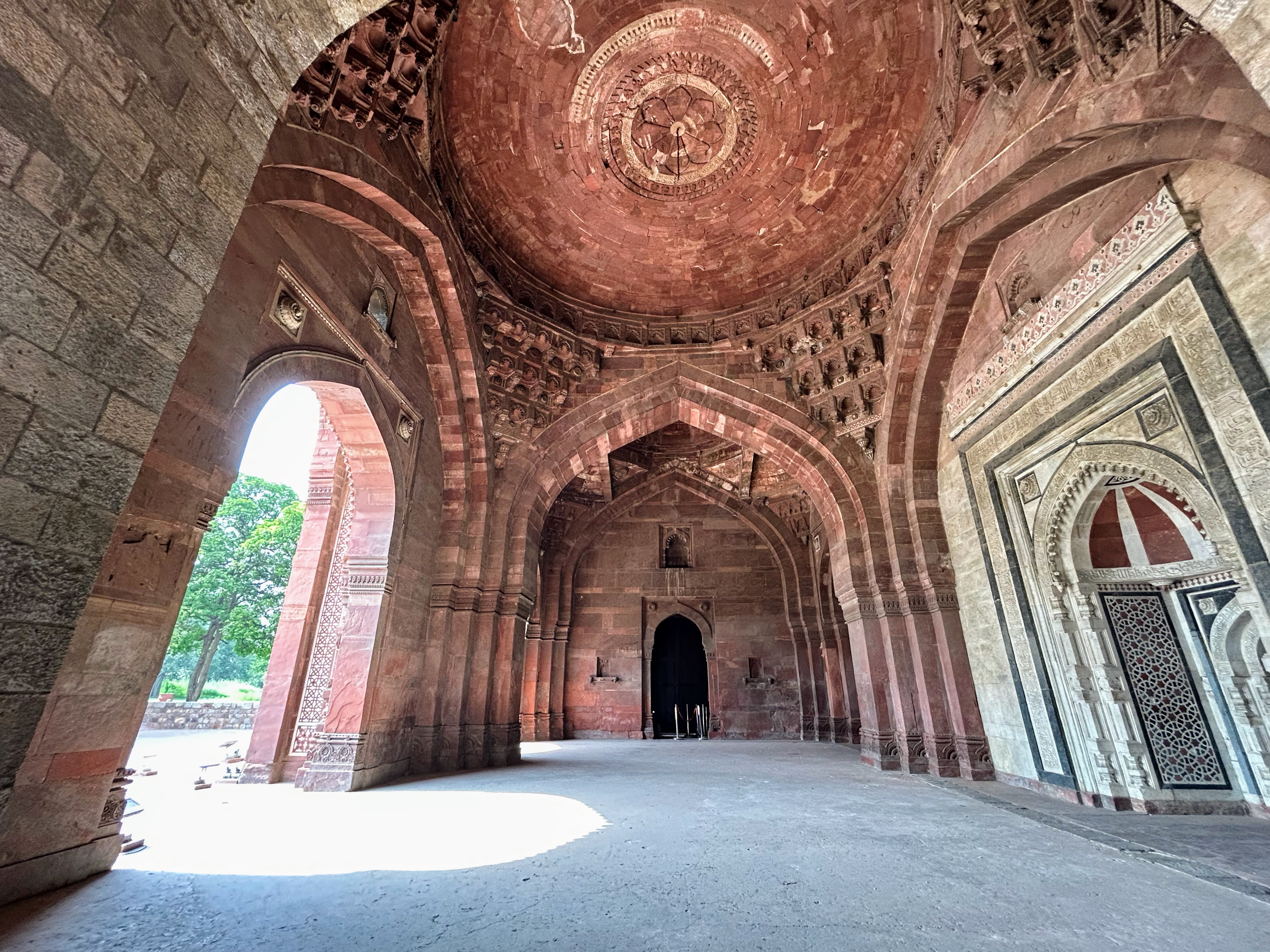
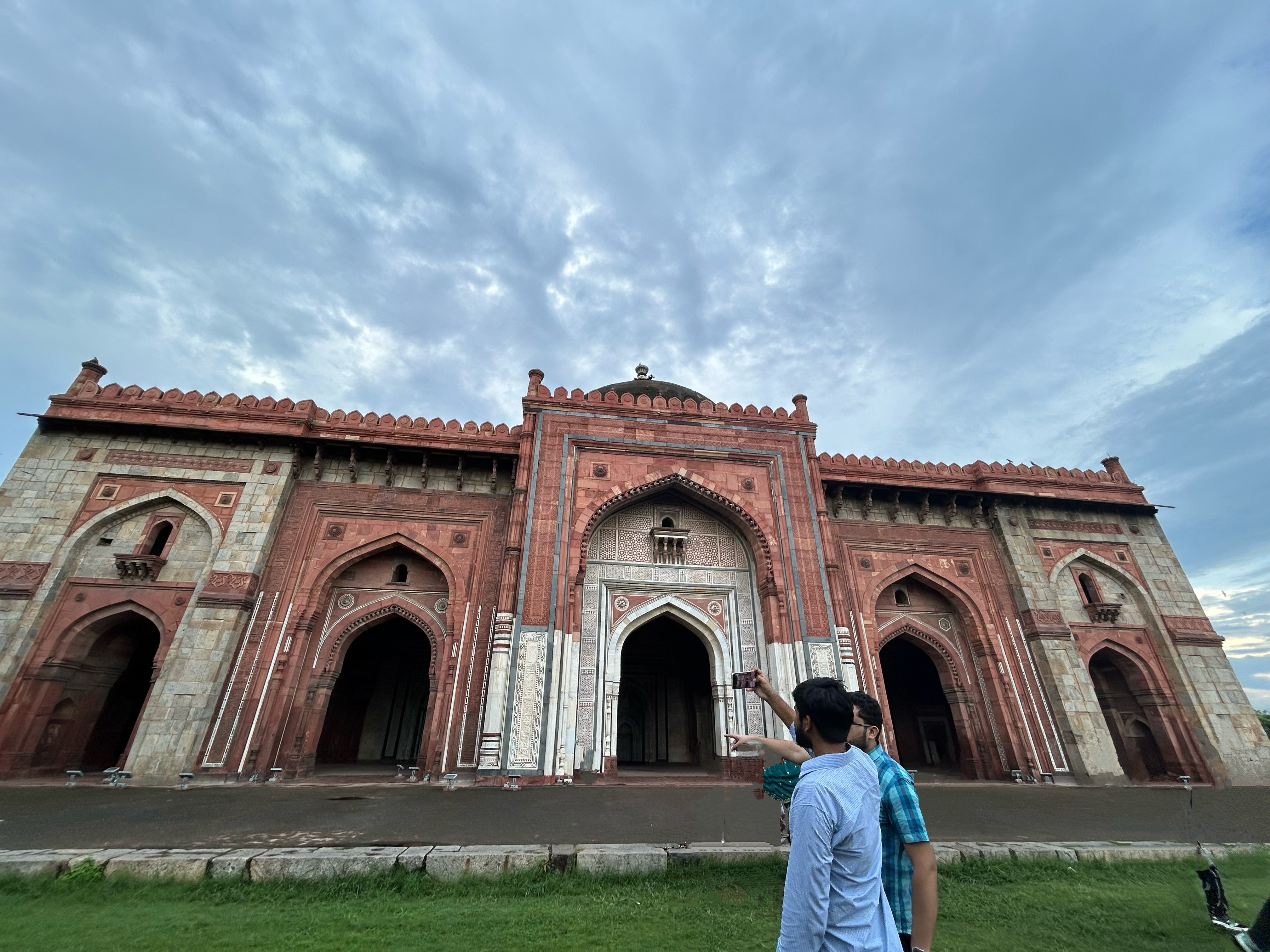
We moved next to the Qila-i-Kuhna Mosque, a corner masterpiece built by Sher Shah. Its intricately carved arches and calligraphy revealed a confluence of power and piety. The upper floor — once reserved for women — hinted at a forgotten intimacy within this public space of worship.
The Baoli: Secret to Sustenance

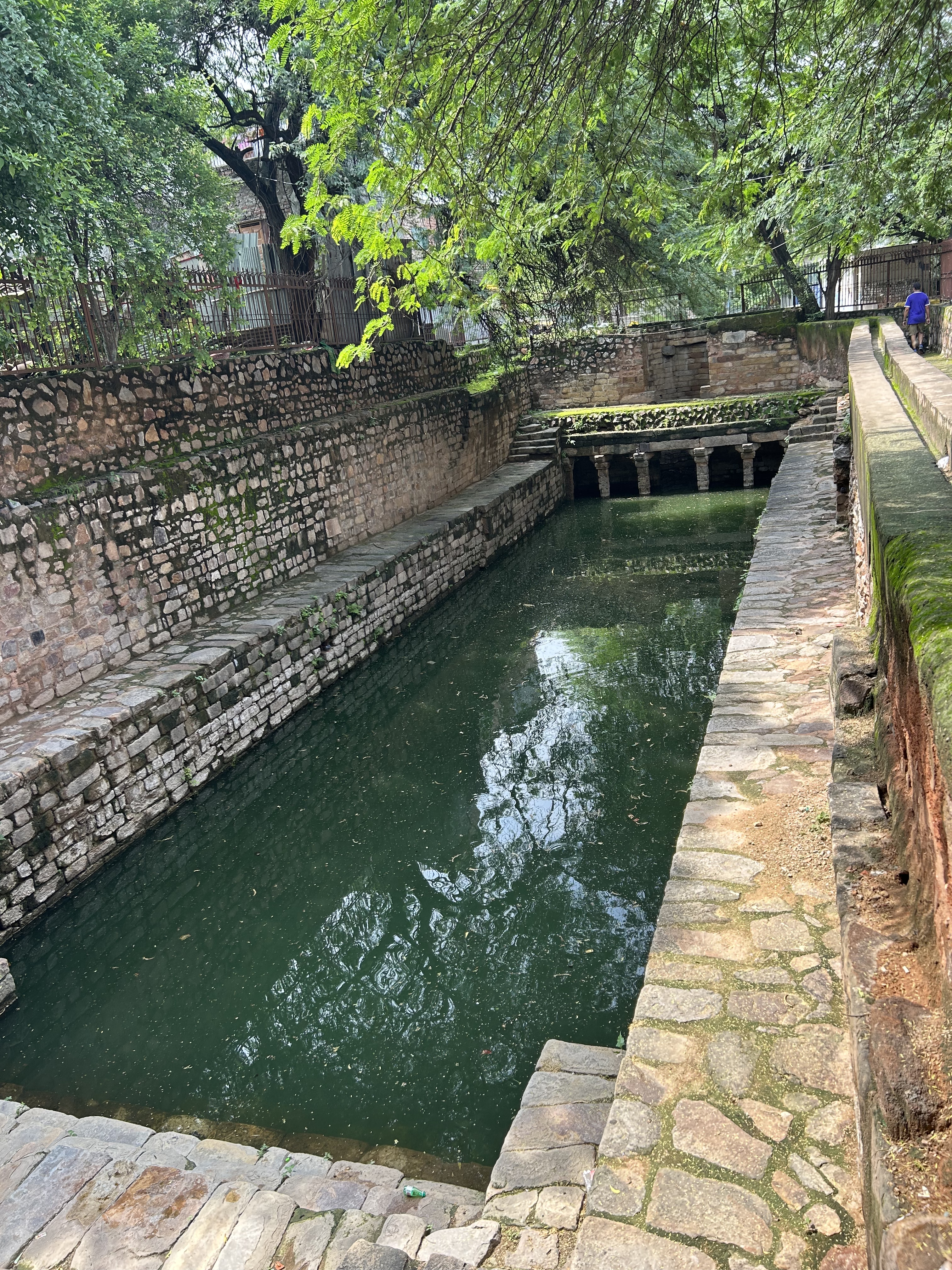
To counter Delhi’s relentless summers, the fort holds a baoli — a deep stepwell, once connected to the royal hammam through terracotta pipes. It whispers of ancient engineering and the luxury of cool retreats.

Sher Mandal: A Tragic Legacy

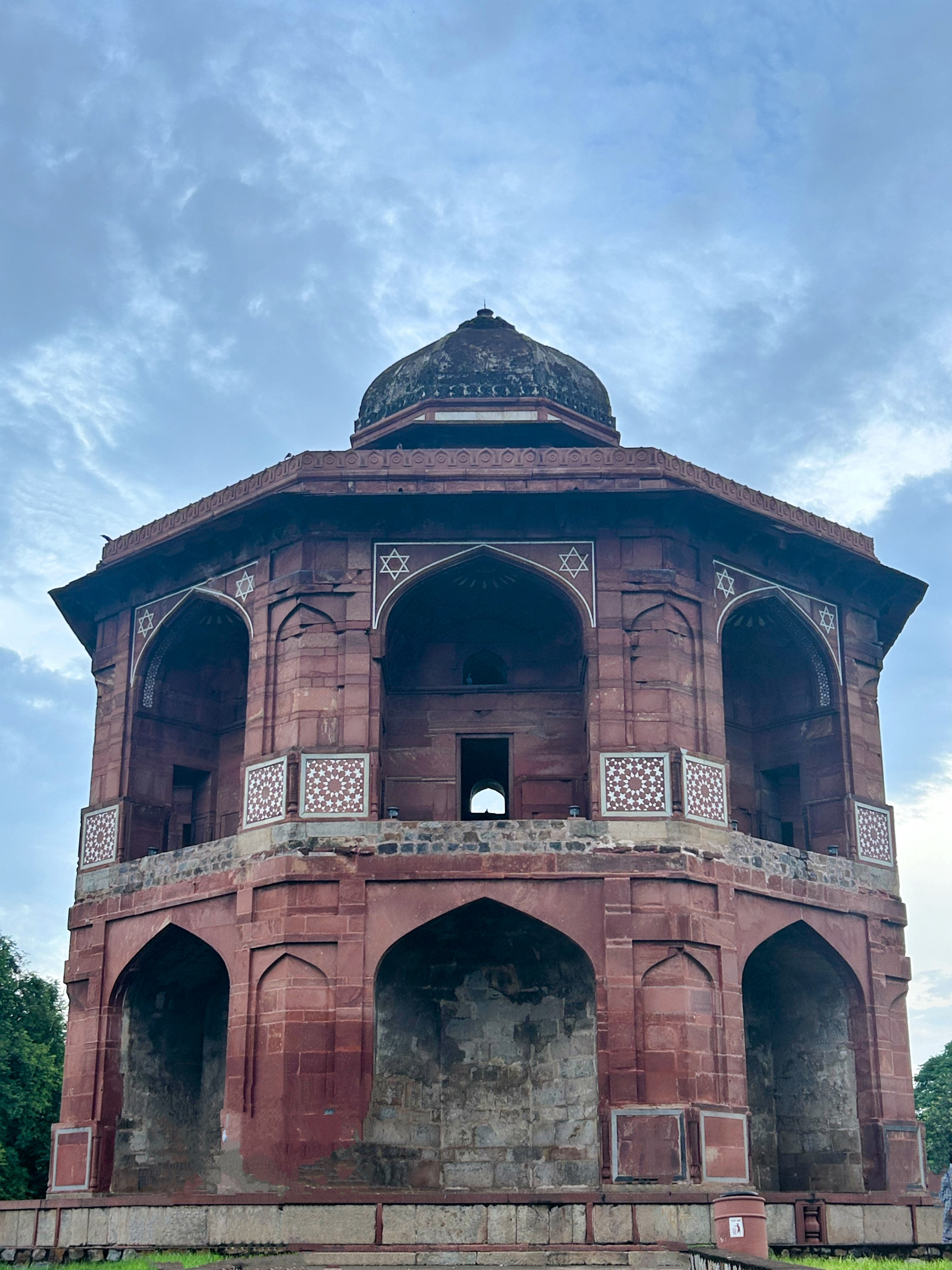
Near the baoli stands the octagonal Sher Mandal, once used by Humayun as a library and astronomical observatory. Ironically, this beautiful tower is where he met his tragic end — falling down its steps after hearing the call to prayer.
Traces of the Lost Village

Few today know that a village once thrived within these very walls. The British cleared it out, leaving no trace. Just open lawns and an eerie sense of absence.

Kunti Mandir: Myth Meets Stone

And then, a mythic interlude. Within the fort stands a modest Kunti Mandir, said to link the fort to Indraprastha of the Mahabharata. Not well-preserved, yet quietly potent — a link between epic pasts and empirical history.

From Wondering Outside to Wandering Inside

What was once a fleeting glance from a car window is now a lingering memory. From the outside to the inside, from myth to masonry, from stories overheard to stories remembered — Purana Qila finally revealed itself.

And with that, my Sunday was well spent.
History at Krishna’s Doorstep

Do most people love hoarding things? Even the ones that don’t work anymore? I certainly do. But space is finite, and eventually, sentiment has to bow to practicality.

One casualty of this weekend’s decluttering was my old point-and-shoot camera — long kaput, yet faithfully carried through every house shift. In its final moments, it gave me a parting gift: an SD card with forgotten photographs.

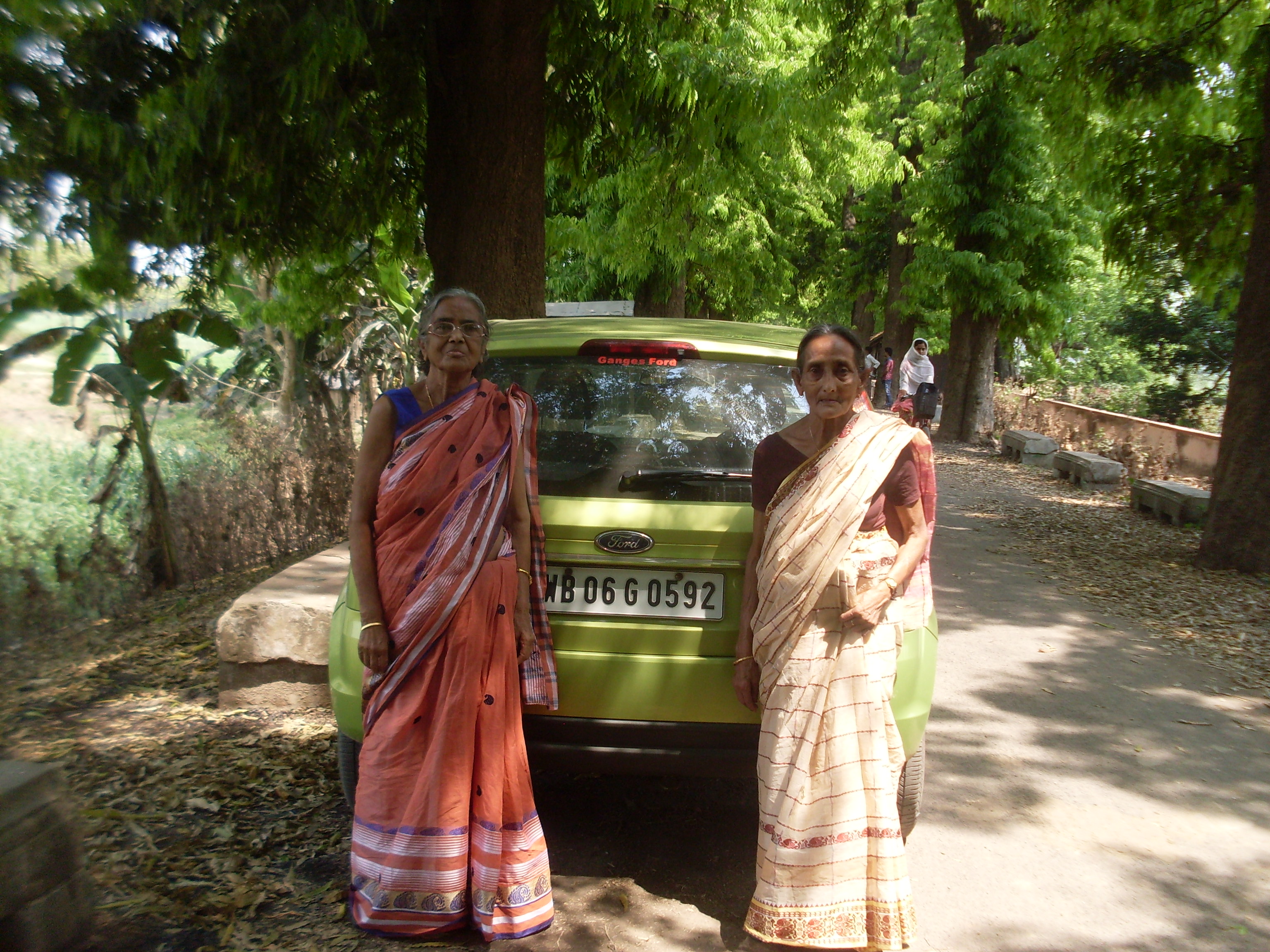
They took me back almost a decade, to a time when my mother and I were enthusiastic long-weekend travelers. And to one trip in particular — to Krishnanagar in West Bengal — born out of nothing less than maternal blackmail.


Blackmail in the Name of Travel

The culprit? My mother. The crime? Forcing me — almost at gunpoint — to accompany her to Mayapur, ISKCON’s headquarters. Her partner, my aunt.

Never keen on religious tourism, I dug deep for excuses. She countered with an irresistible teaser: “There’s more to Mayapur than just ISKCON.” And as they say — “Tujhe sab he pata hai, na Ma.”

A little research revealed that the area was steeped in history. Soon, my resistance melted into curiosity.


The Journey Begins

Mayapur lies at the confluence of the Ganges and Jalangi rivers, in West Bengal’s Nadia district, about 130 km from Kolkata. It’s near Navadwip, the seat of Vaishnavism, and is considered the birthplace of Sri Chaitanya Mahaprabhu, regarded as Krishna’s incarnation.

We booked ISKCON guesthouse rooms through their Kolkata office, checked in, and immediately set off for our first stop: Palashi — better known as Plassey.


Palashi — Where History Changed Hands

On June 23, 1757, Palashi witnessed the Battle of Plassey — a turning point in Indian history. Nawab Siraj ud-Daulah’s forces fell to Robert Clive’s East India Company, paving the way for British dominance in Bengal and eventually the subcontinent.

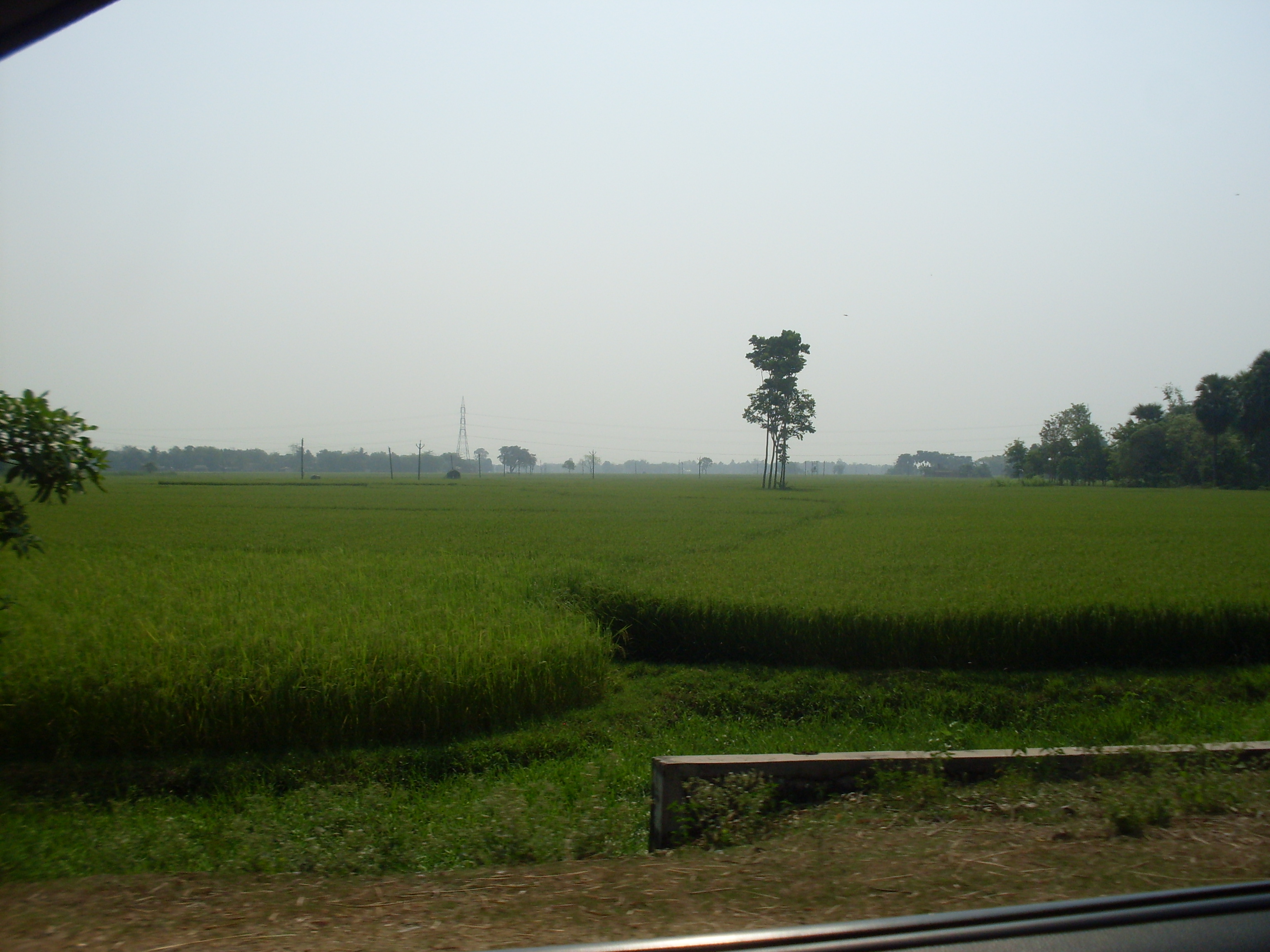
Arriving at the site, we found nothing but green fields. A paan shop owner confirmed, “Yes, the battle was fought here… but now we grow crops.” No plaques, no elaborate memorials — just paddy swaying in the wind.

My driver refused to let the anticlimax stand. Guided by an elderly local, we eventually found a small, plain monument marking the spot. For a battle that altered India’s destiny, the simplicity was striking.


Krishnanagar — Churches, Palaces, and Clay Dolls

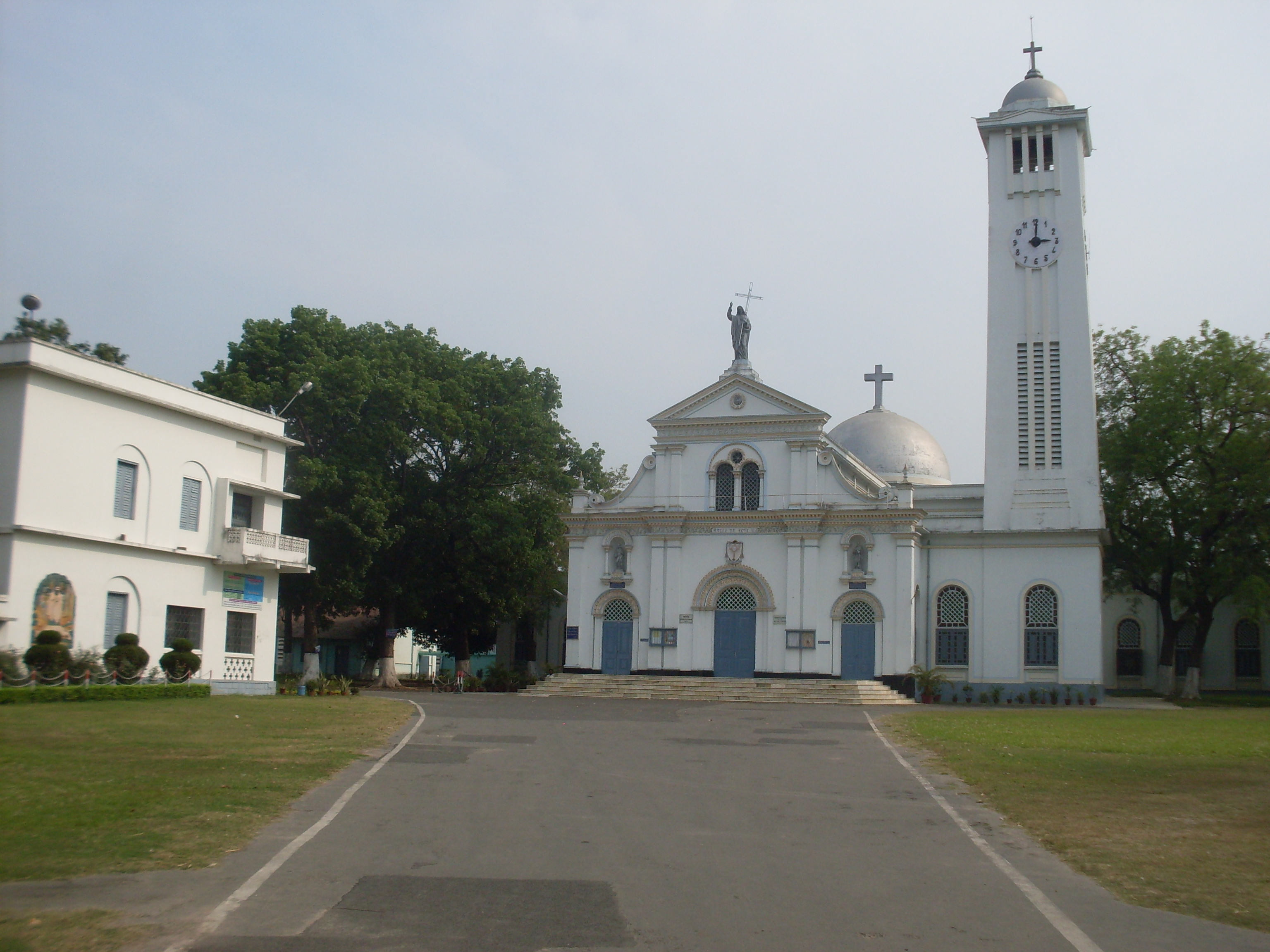
From Palashi, we headed to Krishnanagar. Our first stop: the Roman Catholic Church — an elegant cathedral housing 27 oil paintings depicting the life of Jesus Christ, alongside intricate wooden sculptures by Italian artists.

Catholic missionaries arrived in the region as early as the 17th century, and the current church was built in 1899 by Bishop Frances Pozzi.

The mood shifted when we visited the Rajbari of Raja Krishna Chandra Rai. Once a royal showpiece, the palace now serves as a parking lot and fairground. The grandeur has faded, its arches and courtyards bearing the scars of neglect.

Ghurni, however, brought back the charm. This neighbourhood remains a hub for Krishnanagar clay dolls, a tradition championed by Raja Krishna Chandra himself. The lifelike figurines, some no taller than a thumb, seemed to hold entire stories in their painted expressions.


Ballal Dhipi — Unearthing the Past

The next day took us to Ballal Dhipi in Bamunpukur village — a 30-foot-high mound spread over 1,300 square feet. Excavated in the 1980s, it revealed a massive brick complex, stucco heads, terracotta figurines, and copper utensils — dating as far back as the 8th–9th centuries, with later structures attributed to the 12th-century Sena dynasty ruler, Ballal Sen.

Standing there, with the wind carrying whispers of centuries past, it felt like touching the layered skin of Bengal’s history.


A Line on the Map

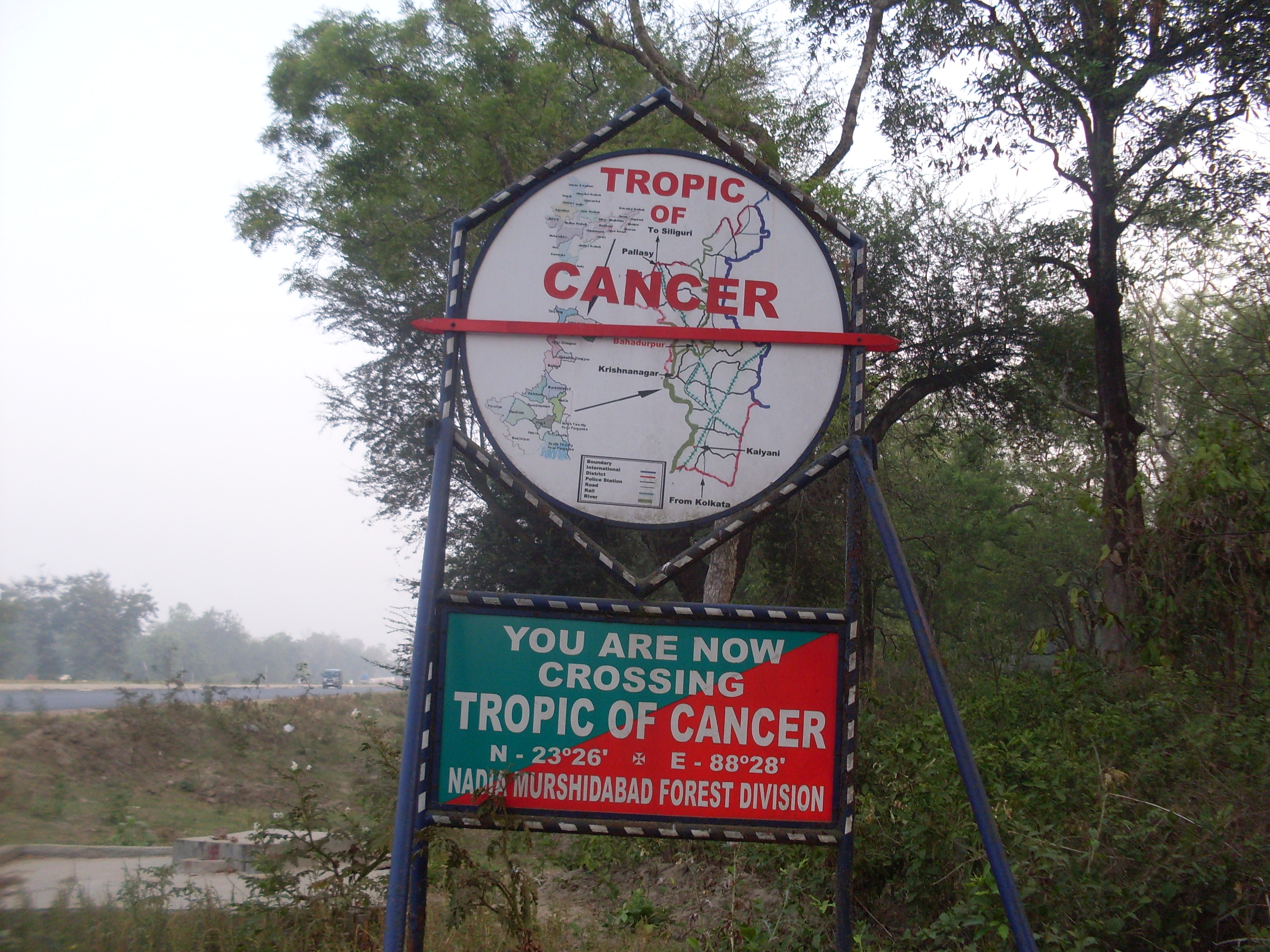
On our way back to Kolkata, a roadside sign brought a geographic surprise: “You are now crossing the Tropic of Cancer.” Not many trips let you straddle history and geography in the same breath.


And Mayapur?

That tale will need another trip — and another story.

As for this one, the blackmail was worth it. My mother loved the historical detour, even if she missed the spiritual one she had planned. And I walked away with a camera full of memories I’d only rediscover years later.

Tracing Flowers, Faith, and Forgotten Thrones: A Walk Through Mehrauli’s Living History

Delhi doesn’t reveal itself all at once. It unspools in layers — a whisper here, a ruin there, a breeze carrying the scent of marigolds and memory. On a quiet Sunday morning, I joined a heritage walk curated by Enroute Indian History, tracing the sacred and ceremonial path of Phoolwalon ki Sair — the annual festival of flowers, peace, and communal harmony held in Mehrauli.

But what I encountered was far more than just a trail of rituals — it was a journey through the soul of Delhi.


Where the City Began: Yogmaya Temple

Our walk began at the Yogmaya Temple, one of the few surviving temples from ancient Delhi and possibly as old as the city itself. It stands tucked away in the heart of Mehrauli, quiet yet powerful, like the still eye of a storm that has raged for centuries around it.

Long before Mehrauli acquired its present name, the area was known as Yoginipur — the city of yoginis. The temple, dedicated to Goddess Yogmaya (a sister of Krishna in mythology), still plays a central role during Phoolwalon ki Sair, with floral offerings made here alongside those at the nearby Dargah. As we stood beneath the age-worn arches, time itself seemed to slow down.


A Tomb with a Curse: Adam Khan’s Memorial

Not far from the temple, we made a detour to the tomb of Adam Khan, a monument steeped in local lore. Adam Khan, the foster brother of Akbar, was executed for treason, flung twice from the ramparts of Agra Fort to ensure death.

His tomb stands out for its Indo-Islamic architecture, reminiscent of Delhi Sultanate-era design rather than typical Mughal grandeur. It is said that no local woman of Mehrauli visits the tomb, believing it to be cursed. The only women who do are usually tourists or history students, like us. The air around the tomb is oddly heavy — less reverence, more caution.


A Sacred Journey: Dargah of Khwaja Bakhtiyar Kaki

We then followed the festival’s spiritual trail to the Dargah of Khwaja Bakhtiyar Kaki, the 13th-century Sufi saint and disciple of Khwaja Moinuddin Chishti of Ajmer. A contemporary of Sultan Iltutmish, Kaki is revered as one of Delhi’s patron saints, and his shrine continues to draw pilgrims, politicians, and poets.

It is said that every ruler of Delhi sought the blessings of Sufi saints to gain legitimacy, and this Dargah, in particular, carries that aura of sanctified power.

As we stepped inside the whitewashed courtyard, a qawwal seated by the gateway began to sing. His voice, deep and raw, cut through the morning stillness, carrying the lyrics of Chaap Tilak. The Dargah came alive — not with grandeur, but with music, faith, and centuries of longing.


A Forgotten Well of Healing: Gandak ki Bawli

On the way to the Dargah, we stopped at the near-forgotten Gandak ki Bawli — a stepwell slowly sinking into neglect, yet once central to local life. Gifted by Iltutmish to the Dargah, the stepwell was believed to possess healing powers, and pilgrims would take a dip in its waters before offering prayers.

Later studies revealed the water had a high sulphur content, lending some scientific basis to the belief that it could cure skin ailments and other illnesses. Today, the water is stagnant, the steps cracked, but the legend still lingers — like a half-remembered dream.


Where the Empire Withered: Zafar Mahal

The final stop of our walk was the Zafar Mahal, the summer residence of Bahadur Shah Zafar, Delhi’s last Mughal emperor. Mehrauli, cooler than the rest of Delhi due to its elevation and greenery, became the seasonal retreat of the royal court. And this retreat wasn’t symbolic — the emperor moved with his whole retinue, even shifting the throne to Mehrauli for the duration.

Inside the Mahal is the Moti Masjid, a private prayer space built by Zafar himself. But the site is not just a reminder of royal solitude — it is also the stage for a powerful piece of local lore.

People in Mehrauli still say that the proximity of Zafar Mahal to the Dargah was a fateful misstep. “Sufi badshah se bada hota hai,” they say — a Sufi saint is greater than a king. Perhaps it was no coincidence, they whisper, that the Mughal Empire collapsed soon after. Bahadur Shah Zafar, the poet-emperor, would eventually die in exile, far from his beloved Delhi, and never be laid to rest in the tomb he had built for himself beside the Dargah.


A City of Shadows and Fragrance

As I walked back through Mehrauli’s bylanes, the scent of mogra, the hum of old qawwalis, and the echoes of royal processions accompanied me. Delhi, I realized, isn’t just a city of monuments — it is a city of memory, myth, and mood. Every stone here remembers. Every shrine still breathes.

Phoolwalon ki Sair may be celebrated once a year, but the path it takes is eternal — a living map of Delhi’s soul, etched in fragrance, footsteps, and faith.