Growing up, there was a saying often used to describe a familiar irony: “When you stay next door to the station, you will miss the train.” It referred to situations in which, despite proximity, one keeps postponing a visit. That line came back to me on Saturday, when I finally managed to visit The Kunj—India’s first mall dedicated entirely to handloom and handicrafts.
Located within walking distance from my home, The Kunj has been on my mind since its opening in August 2025. And yet, like the proverbial train, I kept missing it.

As I stepped out of the lift, the first sight that greeted me was a loom and a vibrant seating area—an immediate signal that this was not just another retail space. Handicraft and handloom stores showcasing products from across the length and breadth of the country form the heart of The Kunj. What makes it even more special is the presence of artisans themselves—quietly, patiently creating their craft in full view. I found myself lingering near an elderly Madhubani artist, watching him draw with practiced ease. In that moment, I was reminded of the deep traditions and accumulated knowledge that form the foundation of India’s extraordinary craft heritage.

The credit for finally getting me to The Kunj, however, goes to Tales of India—a platform that seamlessly binds food, heritage, and community. When the mailer from Tales of the City landed in my inbox, I knew I didn’t want to miss an evening that promised good food paired with conversations on history and culture.
At the venue entrance, I was warmly greeted by Abu Sufiyan and Chef Sadaf Hussain. Conversation quickly turned to food walks—their routes, timings, and the inevitable request from a few of us for a walk dedicated solely to Nihari. Chef Sadaf countered with a challenge: Delhiites, he said, don’t like waking up early, which makes a traditional morning Nihari walk difficult. While we all confidently promised early mornings, only time will tell whether we manage to rise to the occasion.
Walking inside, I felt transported to the homes of my childhood—where the first room, the baithak, was a gathering space filled with knick-knacks collected over the years. It was heartening to hear Abu Sufiyan explain that the idea was to recreate the Bada Kamra—the room where everyone naturally came together.
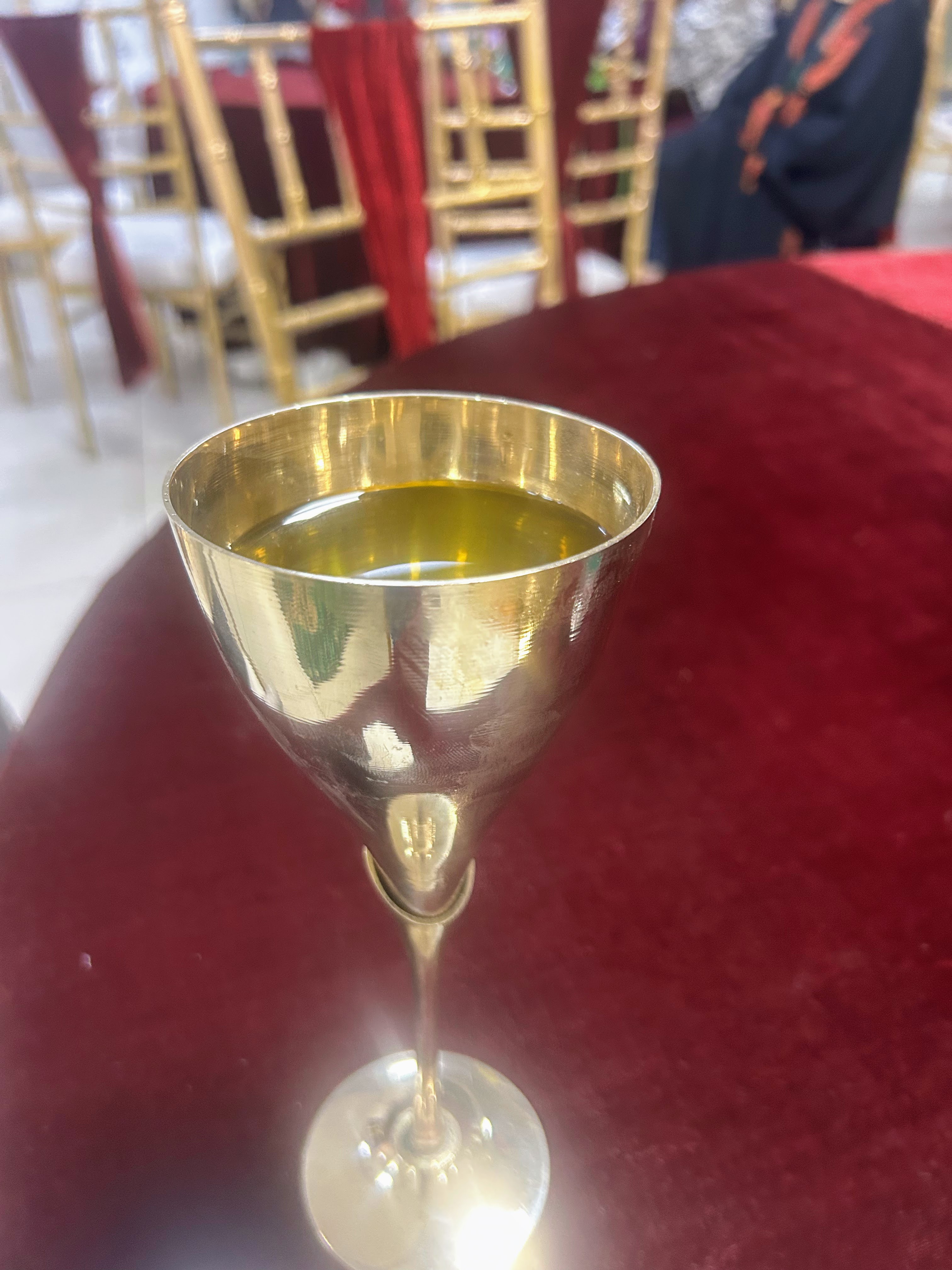
As stories and food memories began to flow, the first offering arrived: Khas Sherbet, served in an elegant brass glass. The conversation drifted towards community life—how there was once a time when we knew not just our next-door neighbours, but almost everyone on the lane. No one explicitly lamented how siloed life has become; it was simply understood. Perhaps the pace of life has changed, and gatherings like these are meant to be cherished when they happen.


Next came a Shami Kabab, delicately pounded on a sil batta, fibrous and soft. This was followed by Mutanjan, sweet rice garnished with almonds and sultanas, accompanied by the meat of teetar (quail). Chef Sadaf pointed out that in earlier times, “bird” almost always meant quail—never chicken. Chicken, he noted, became popular only after Partition.
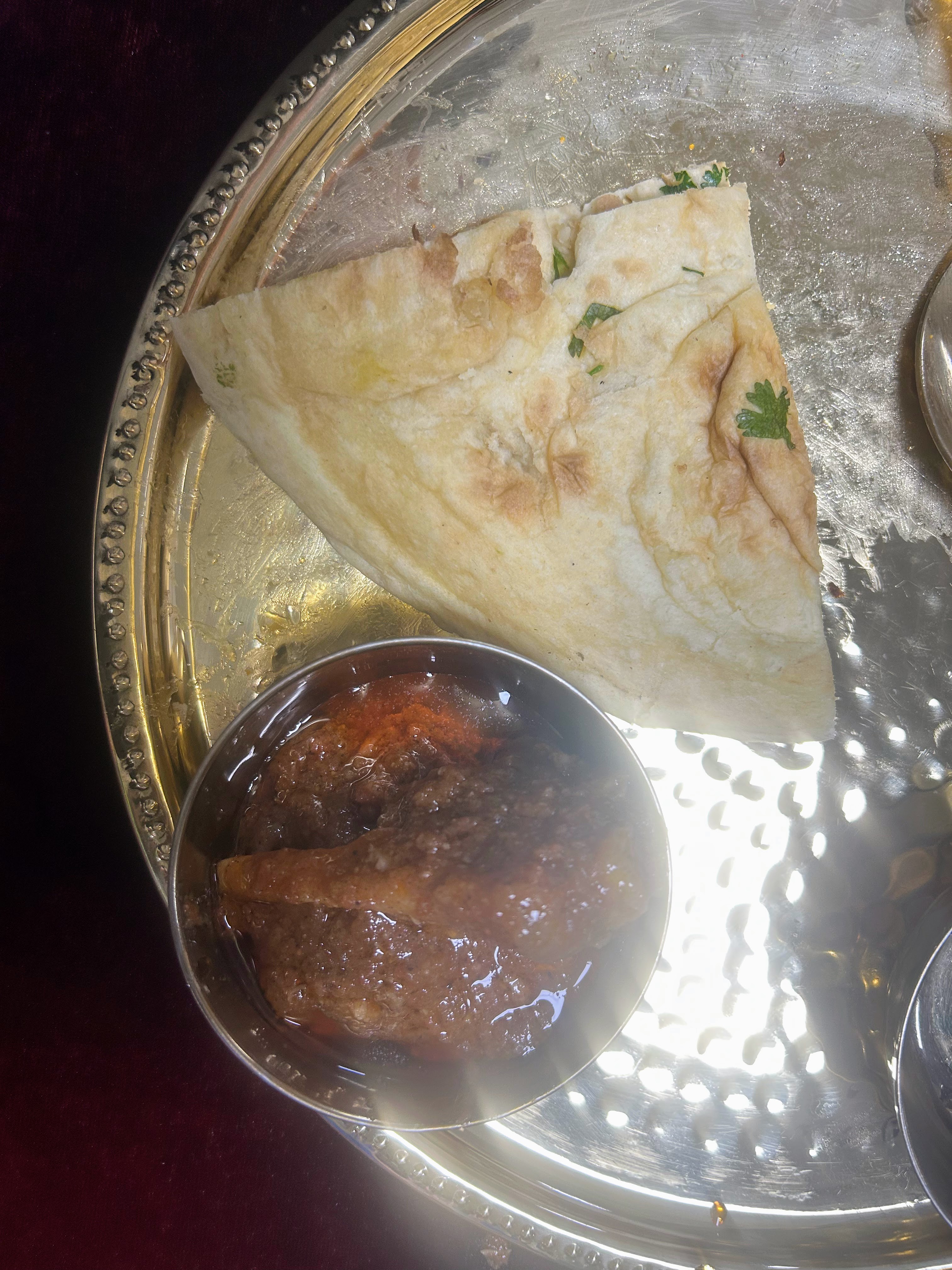
Then arrived the star of the evening: Nihari, served with Khamiri Roti—rich, slow-cooked, and deeply comforting. As we ate, memories surfaced of street vendors and their distinctive calls—jingles that once echoed through neighbourhoods. It wasn’t just food vendors; toy sellers, kulfiwalas, knife sharpeners, bangle sellers—all had their own sounds. With e-commerce and changing lifestyles, many of these have quietly faded away.

The next dish, Shab Deg—literally “cooked overnight”—arrived in beautiful brassware. Plates and bowls were wiped clean as we savoured yet another culinary tradition from Purani Dilli. Dessert followed: Mithi Roti with Kheer, the kheer cooked to a phirni-like consistency. Throughout, Chef Sadaf kept us enthralled—not just with flavours, but with stories of how dishes evolved and travelled through time.

The evening concluded with Meetha Paan, leading to a discussion on paan traditions across the country. While practices adapt to local tastes, we realised that their roots remain remarkably similar everywhere.
It was a near-perfect weekend—handicrafts, food, history, and a gathering of like-minded people. Sometimes, life introduces places to us in very specific ways. For me, The Kunj will always be associated with this evening—an experience that finally made missing the train worthwhile.

 Jajabor