Tag Archives: DelhiFoodWalk

Nahari at Nahar: A Morning in Purani Dilli

In our fast-paced world, there are moments when a sight or a sound takes you back, when life feels lived, not rushed. I belong to that in-between generation that grew up analogue and stepped into digital adulthood. Lately, I’ve found myself pausing more often, trying to catch my breath in the whirlwind of the way we live now.
About a month ago, over dinner at The Kunj, Chef Sadaf Hussain remarked that Delhites won’t wake up early for nihari. This week, an email landed in my inbox about a food walk in Purani Dilli, enticingly titled “Nahari and Nashta” by Tales of City, led by Chef Sadaf. It began at 10:00 a.m. Manifestly, Delhites were not trusted to wake up early.

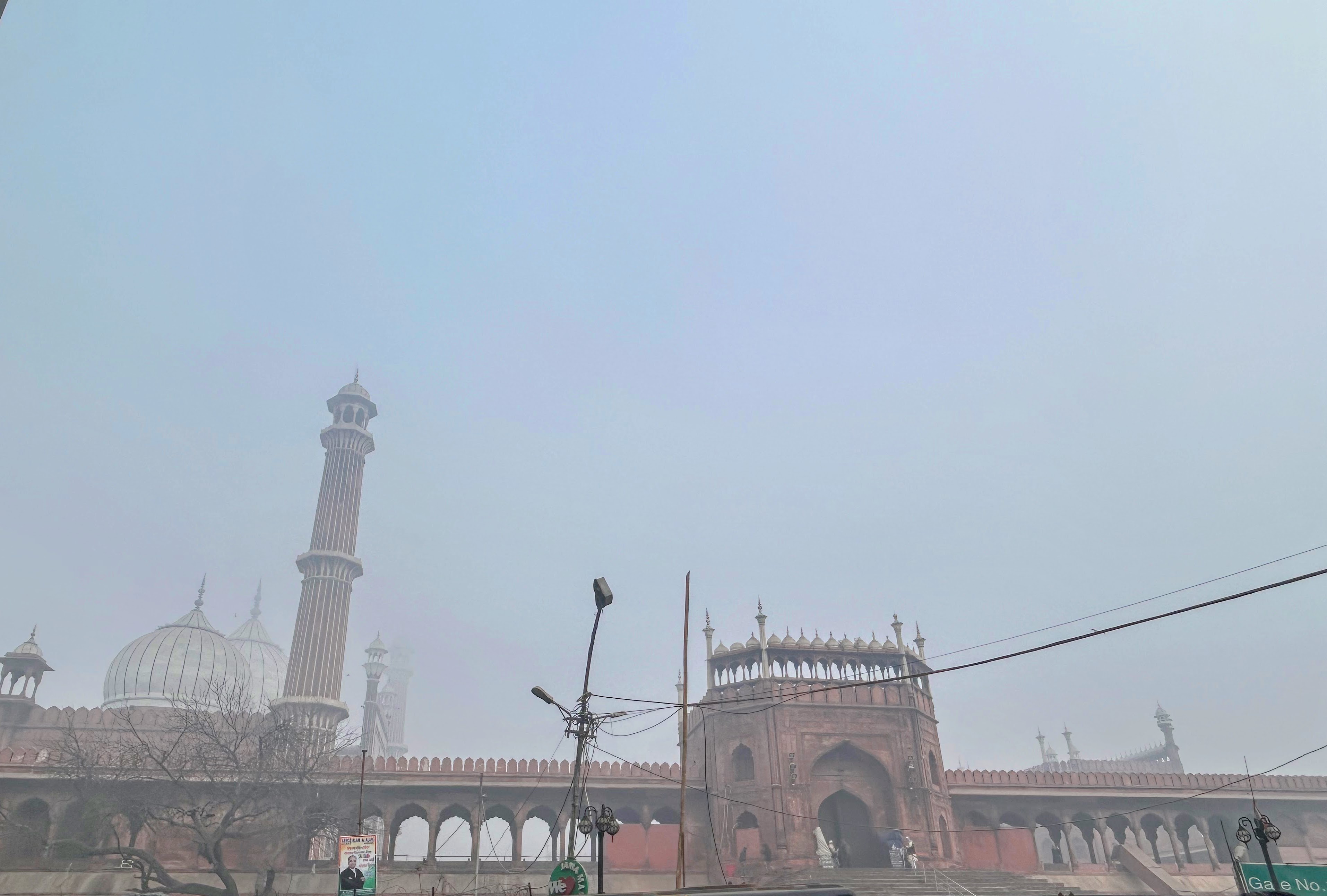
Purani Dilli, for me, is where centuries coexist. It’s also the part of the city that makes me more curious the more I see. So on Saturday morning, braving the cold and the fog, I joined a group of fellow foodies outside Gate No. 1 of Jama Masjid. The city was wrapped in mist, but it was awake; the area was already crowded. You could sense preparations for Ramzaan beginning.
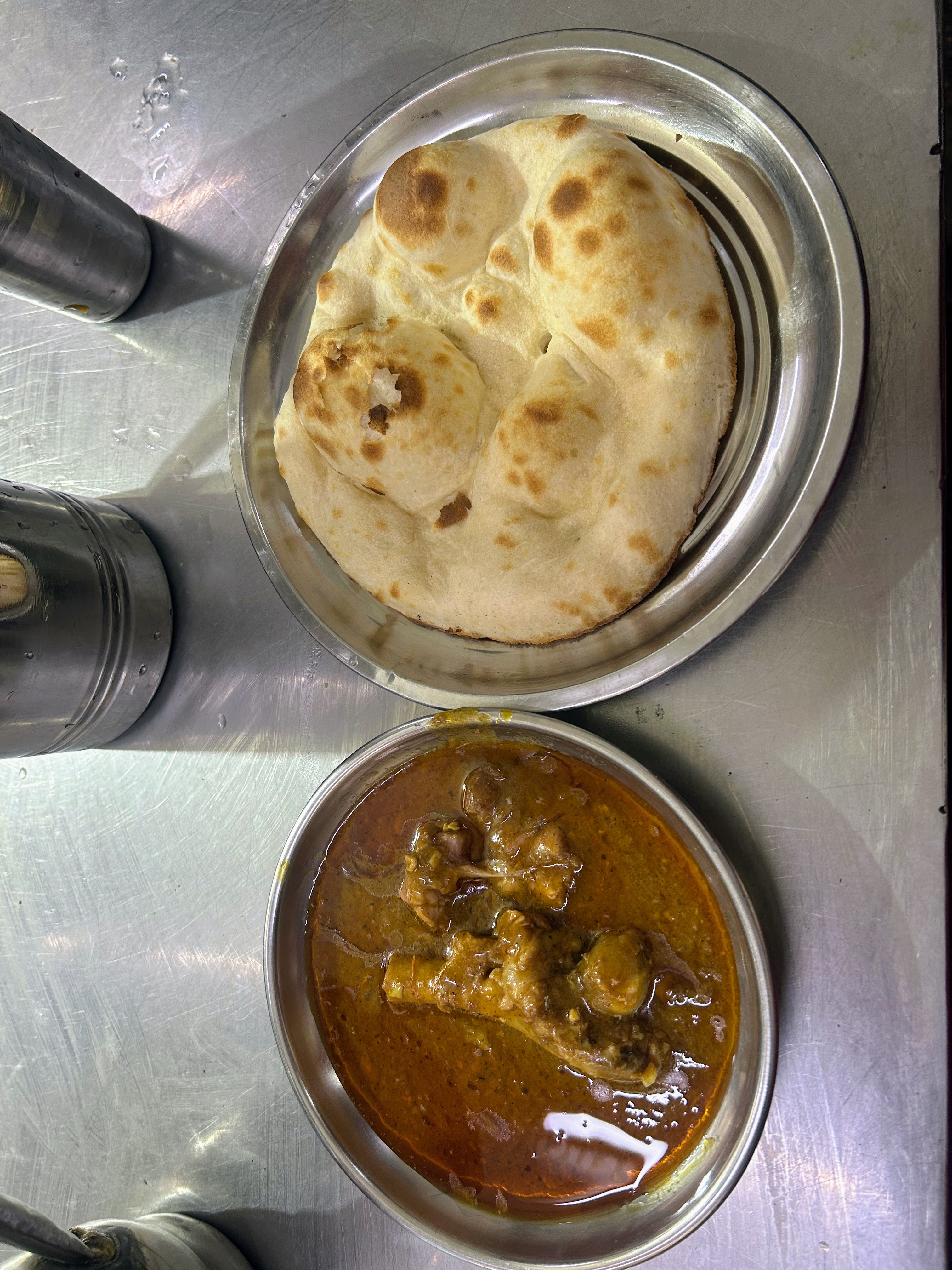
Maneuvering through winding lanes, we reached Shabrati, a small joint with a big reputation for serving truly delicious nahari. Now, I’ve always called it nihari. It was only today that I learned it is actually nahari, a dish eaten at nahar, or dawn. Traditionally, food for the masses, sold on carts across the old city, it was later adopted by royalty. We huddled inside the compact eatery and dug into nahari with khameeri roti. Soon a quiet descended, the kind that arrives only with good food, punctuated by extra servings and satisfied, happy nods.

Tea followed, of course. Standing outside Shabrati, we spoke about the journey of food as we know it, from the 14th century onwards. As we were about to move on, we noticed the kitchen preparing nahari for the evening. While we clicked photos, Chef Sadaf tried his hand at stirring the enormous handi. It was quite funny to watch the chef at the eatery look on with deep suspicion, apparently not trusting another chef to stir it “properly.”
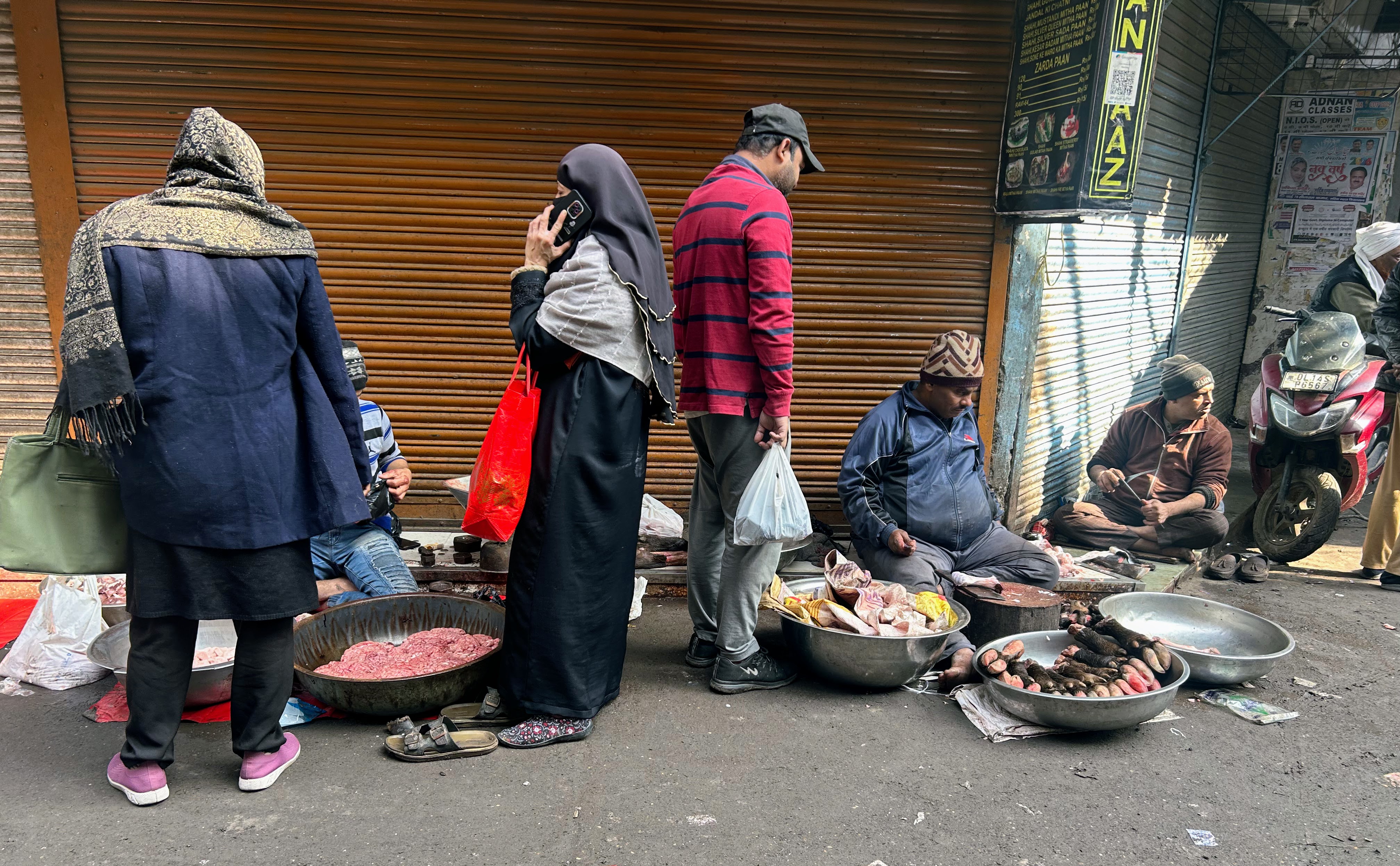
We moved through more lanes, past vendors selling offals by the side. The scene reminded me of growing up in Arunachal, when the local butcher would inform my father if good mutton had come in. Mutton was always bought in person. The foodie and brilliant cook that my father was, he would decide what he wanted to make on Sunday and choose the cuts accordingly.

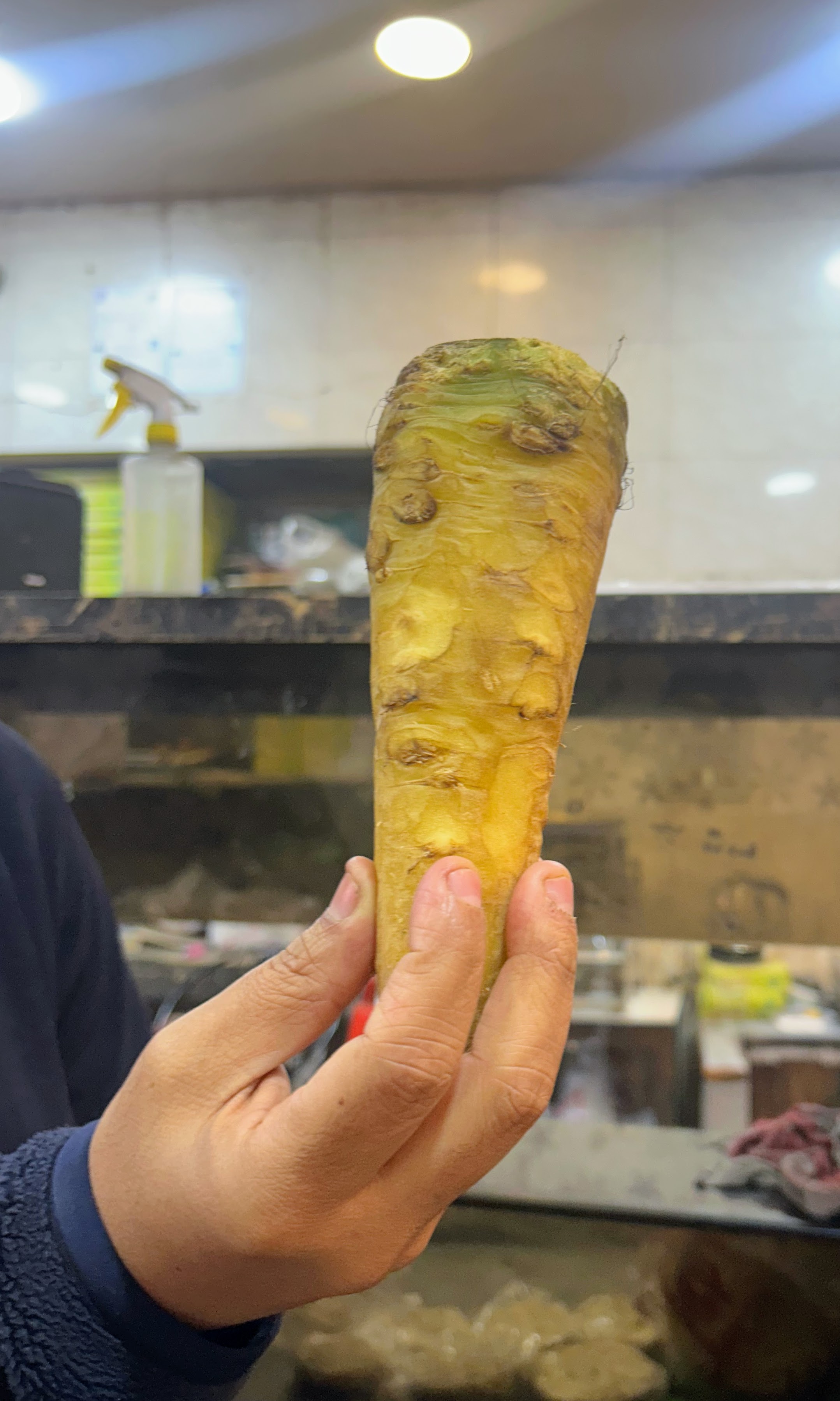
At Sheeren Bhawan, as our discussion drifted towards sugar and its journey across the world, a pale, creamy halwa arrived. On the counter lay a whitish tuber. It turned out to be safed gajar or white carrot, an indigenous variety, more fibrous than the popular red one, and the halwa was made from it. It was the first time any of us had even seen a white carrot, let alone tasted halwa made from it.
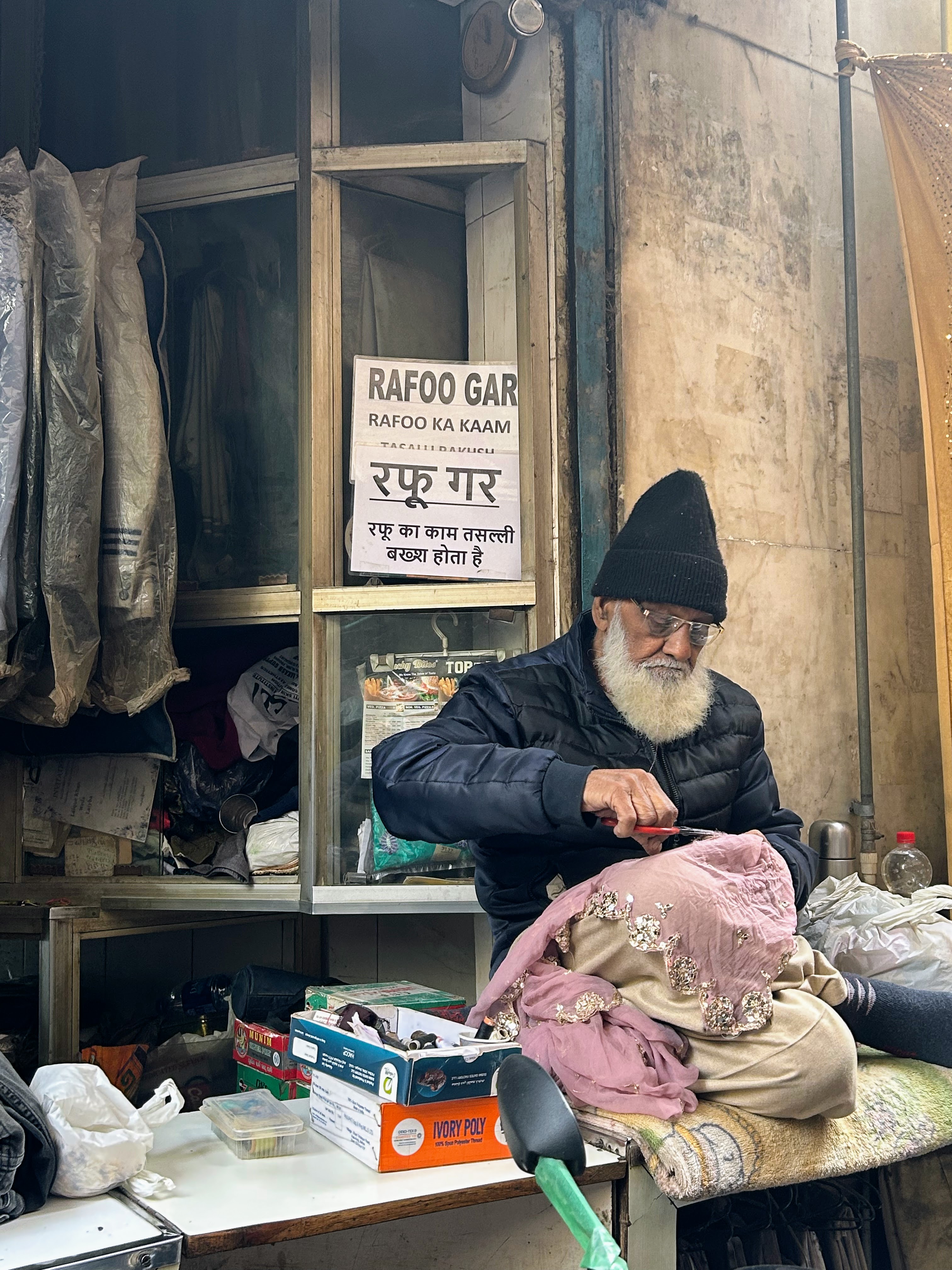
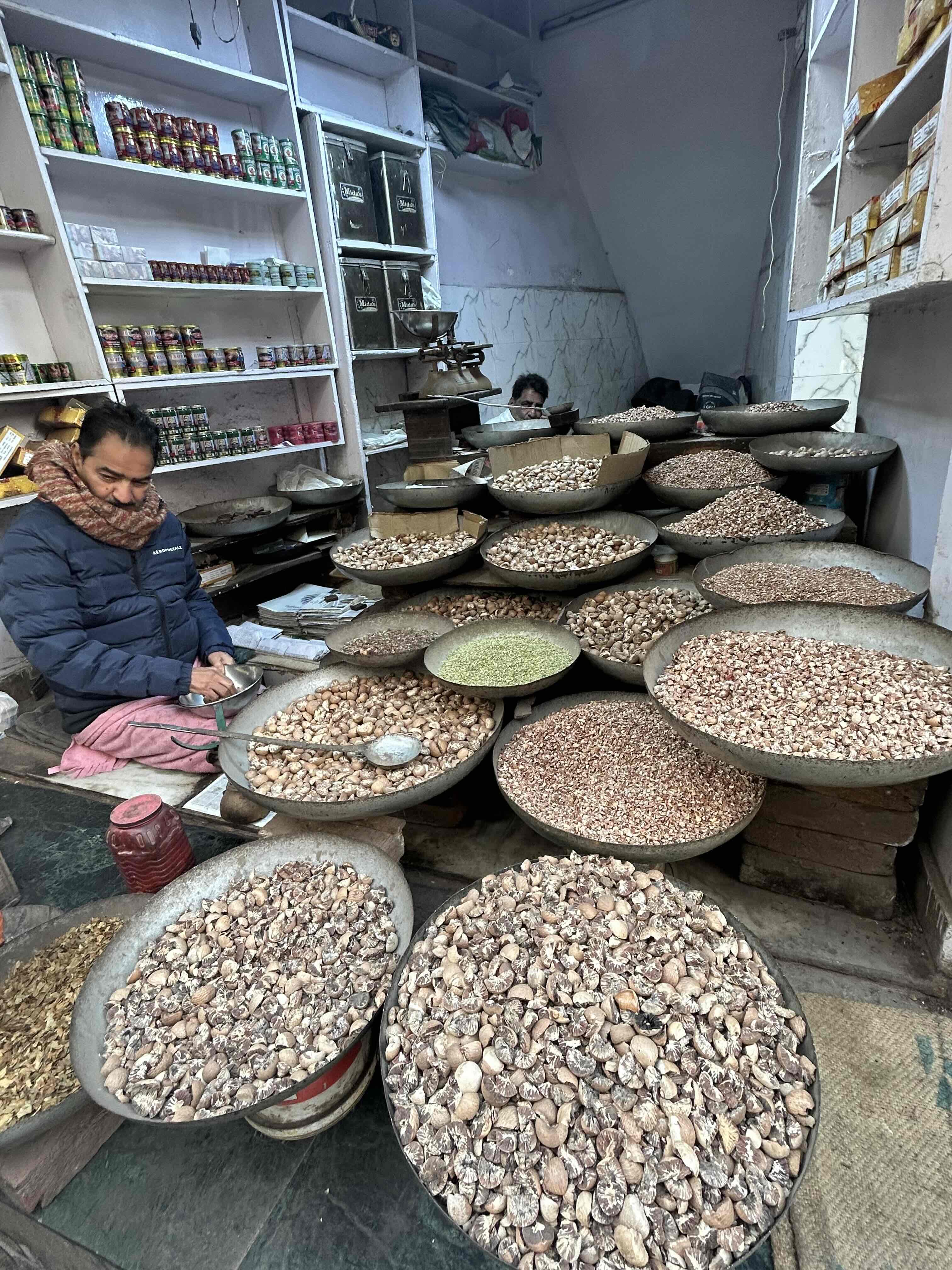
As we moved through the maze of Purani Dilli, a slower slice of life revealed itself, unhurried, detailed, and oddly comforting. A store selling betel nuts and the condiments necessary for paan. A Rafu Ghar, almost extinct in today’s use-and-throw world, a skill fading into memory. A shop selling only parathas. An ear cleaner. And then there were the lane names, quirky, specific, sometimes poetic, offering glimpses into the trades that once populated these streets.
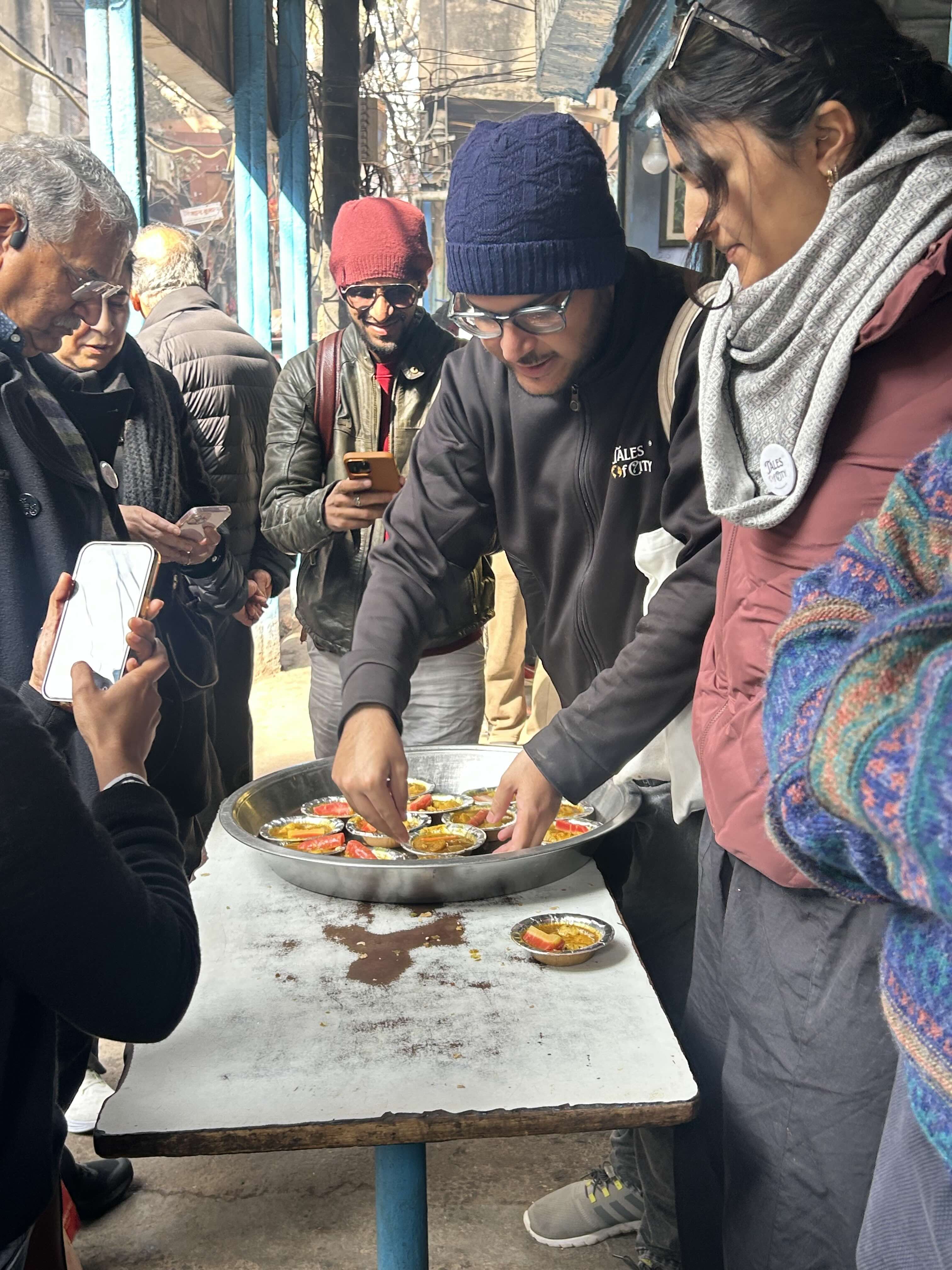
We reached our next stop only to learn we were late: the nagori halwa was over. But bedmi puri and aloo ki sabzi more than made up for it, as we spoke about the deep connections between communities and food, how recipes travel, adapt, survive, and become identity.
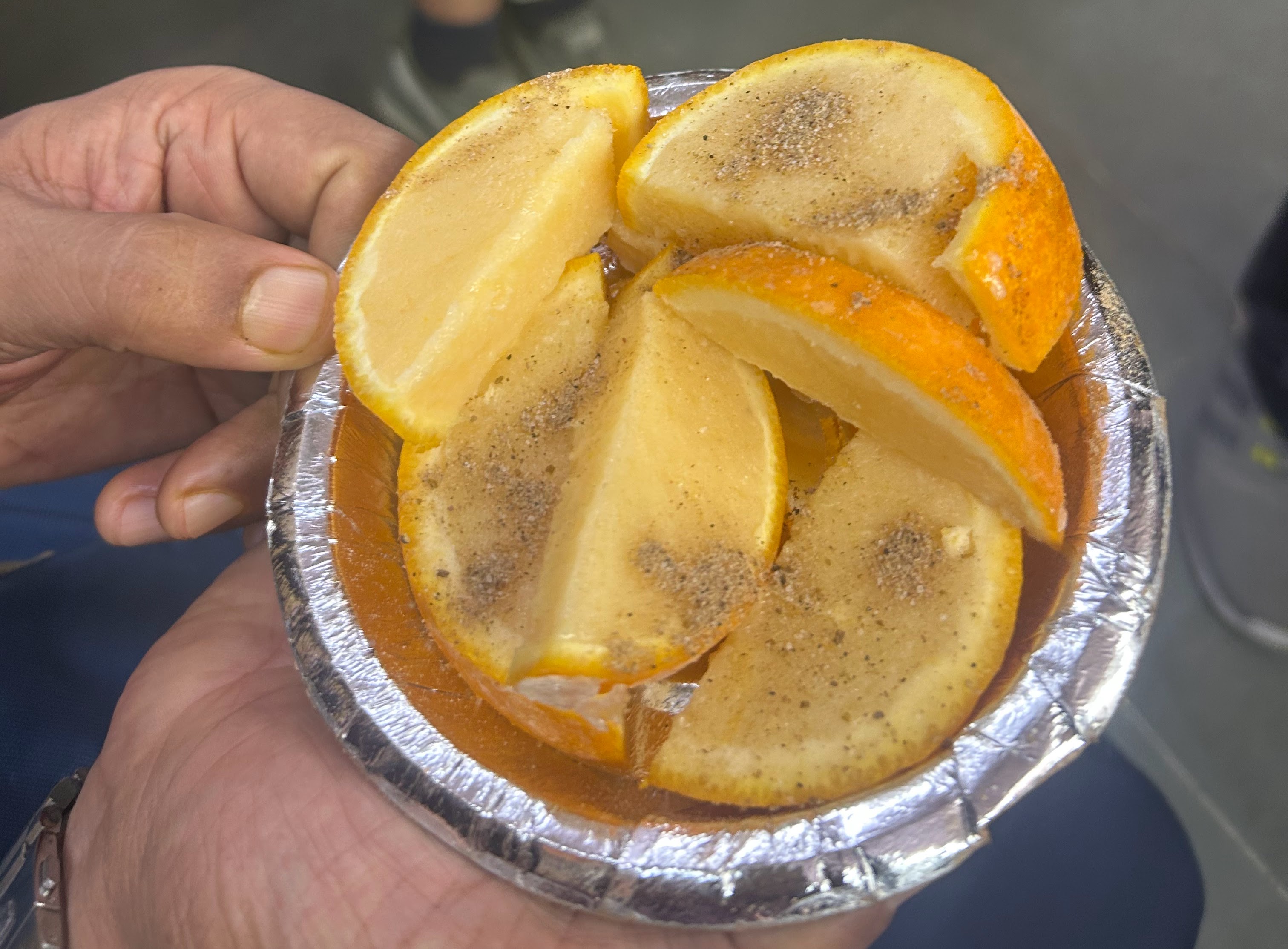
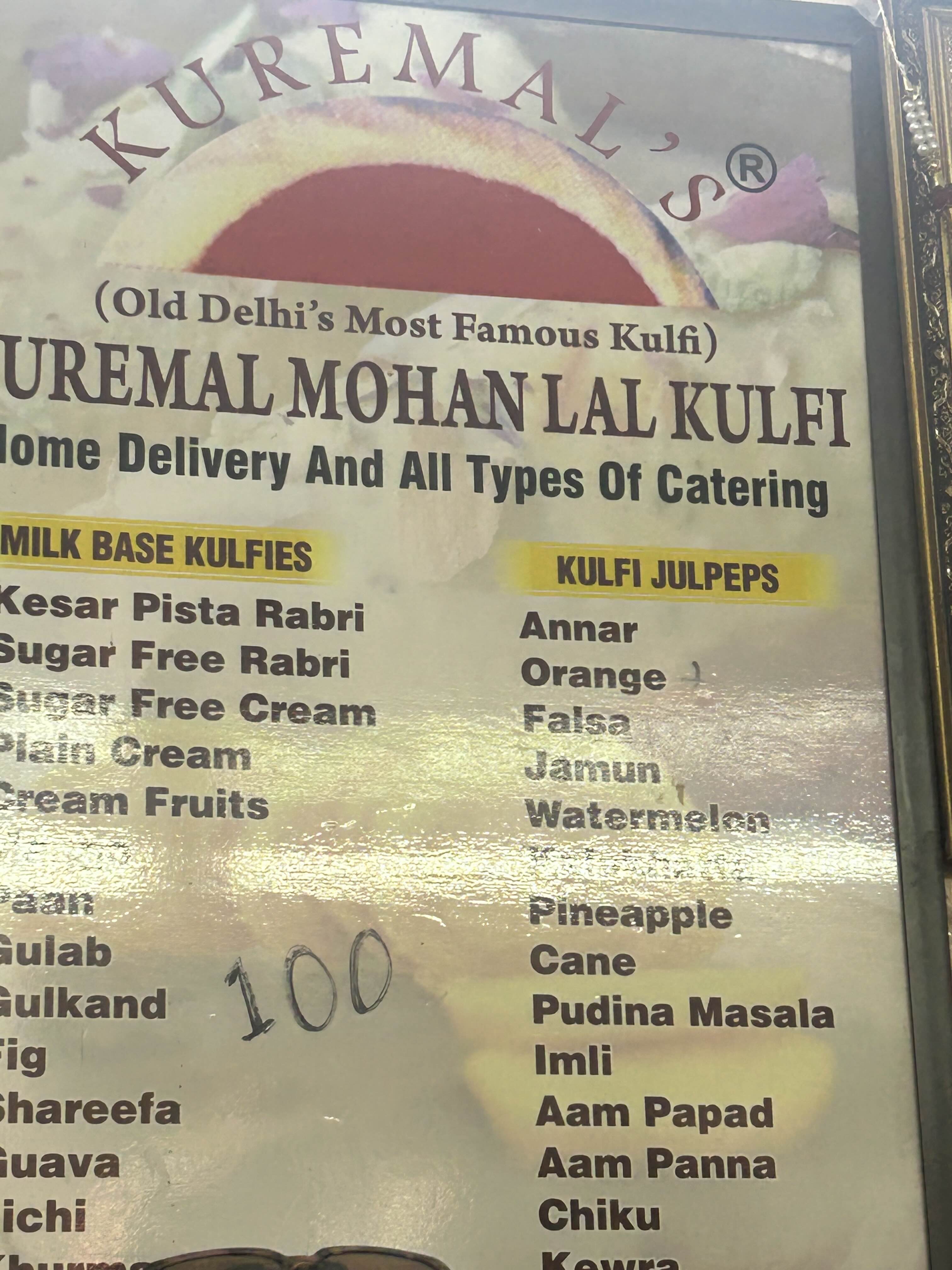
The walk ended at one of the oldest kulfi shops in the city, and once again the word Julpep made me smile. Talking about spices, culture, and the influence each has on the other, we relished different kinds of kulfi. My favourite, of course, was the Santara kulfi.

When I entered Chawri Bazaar Metro Station and boarded the train, it felt like I was travelling not just out of Purani Dilli, but from a slower life into a faster one. Yet the hours spent that morning, on food, yes, but also on absorbing a culture of coexistence, were perhaps the best kind of weekend reset I could have planned.
A Winter Walk Through Purani Dilli: Stories, Streets, and Subah ke Pakwan


With winter slowly tightening its grip on the city, I mentioned to a colleague last Friday that this year I wanted to finally try Daulat ki chaat. A fanatic Benarasi, she laughed and said, “You should go to Benaras and taste the better version.” Perhaps she wasn’t wrong—but Delhi, for all its culinary rivalries, is a food lover’s paradise. And winter? Winter is Delhi at its delicious best.

The chill in the air sharpens appetites and opens up the full spectrum of flavours: from savoury chaats to sinful ghee-soaked sweets. Amid it all, Purani Dilli holds a special place in every foodie’s heart. This Sunday, I joined a food walk titled Purani Dilli ke Subah ke Pakwan, curated by Tales of City and led by the knowledgeable Chef Sadaf Hussain. Like many, I associated Purani Dilli primarily with its legendary non-vegetarian fare.

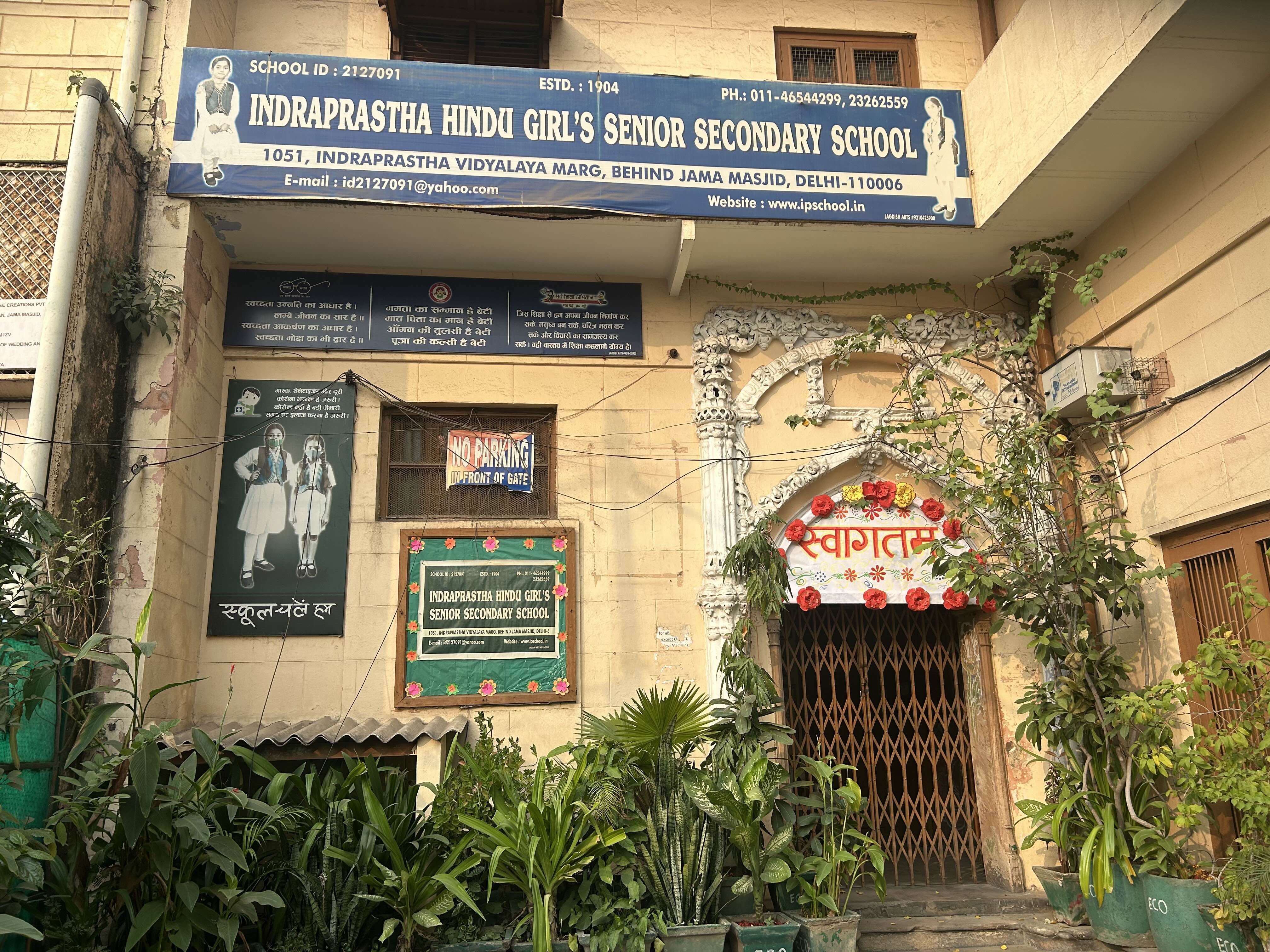
The early-morning ride through its narrow lanes was surprisingly smooth—the city was still stretching awake. The walk began in front of Indraprastha Hindu Girls’ Senior Secondary School, the city’s first girls’ school, tucked behind Jama Masjid.

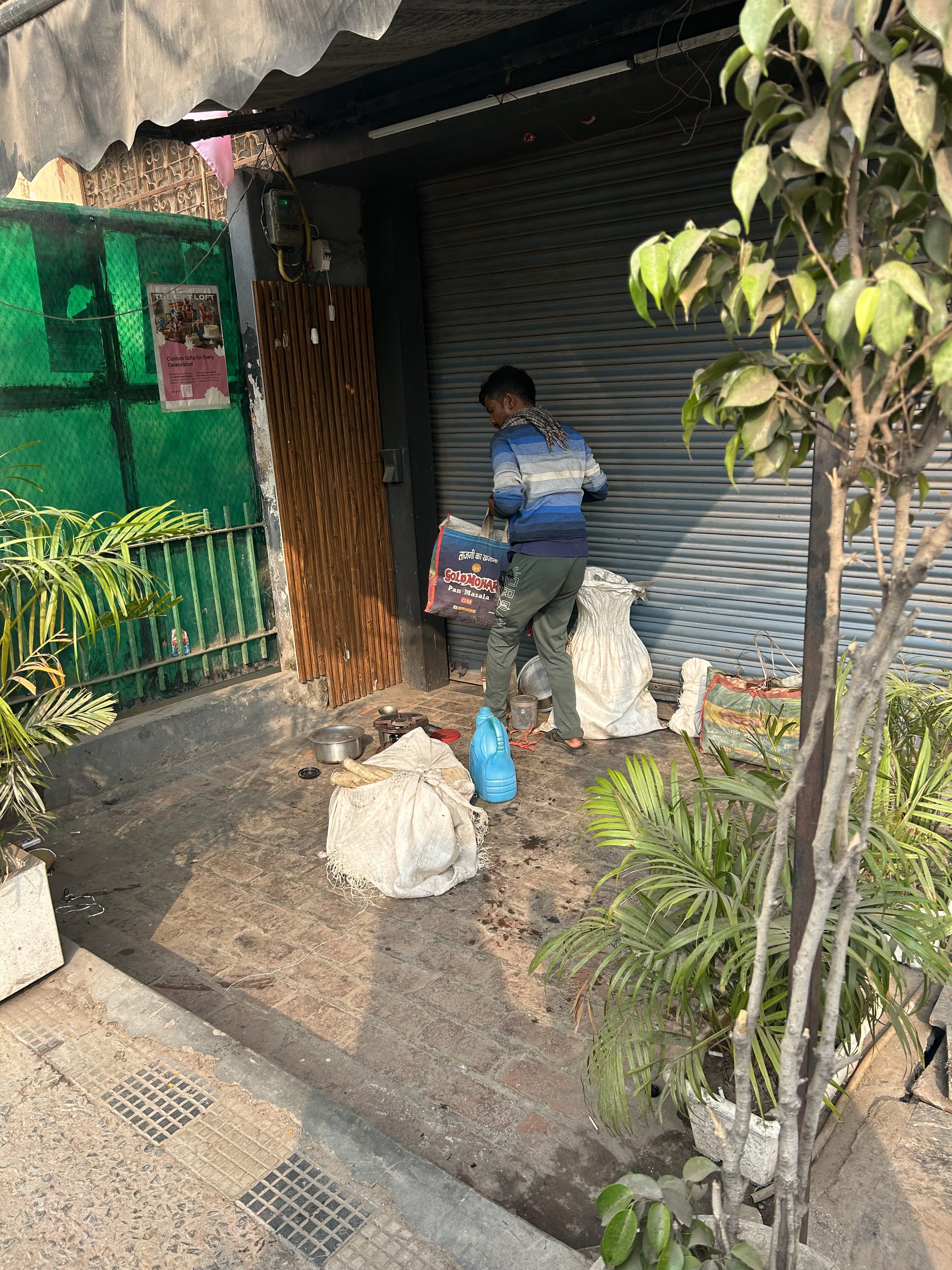
As we gathered, waiting for the walk to begin, I absorbed the scene around me: daily-wage earners cooking their modest meals, people taking their first sip of morning tea, a few men bathing by a tubewell, and roadside vendors quietly assembling their makeshift shops. Purani Dilli wakes up in chapters, each rooted in centuries of habit.

Once we set off, Chef Sadaf immediately challenged our assumptions. “This,” he announced, “will be a vegetarian food walk.” A ripple of surprise passed through the group.

Our first item was chai. I’m not a tea drinker—certainly not fond of roadside versions that lean heavily on sugar—yet this cup was surprisingly pleasant and perfectly sweet. Warm hands, warm cup, cold morning: Delhi in winter distilled into a moment.

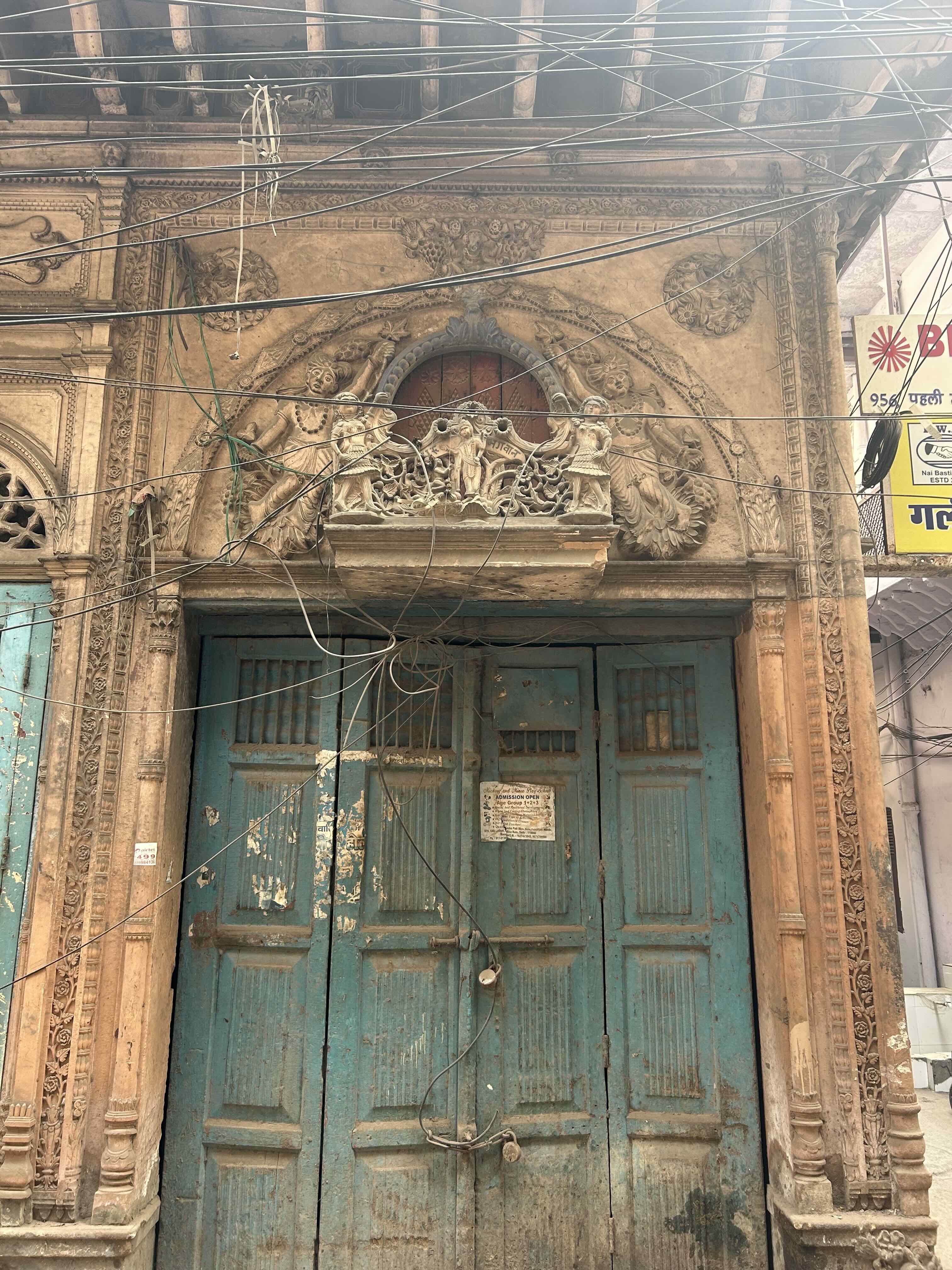
As we walked, we learned how the old city once attracted people for their skills, leaving an imprint in street names that referenced professions long since faded. Navigating the tangled lanes—dodging bikes, scooters, rickshaws—was an adventure of its own. We passed doors that had obviously seen better days. The neighbourhood is a labyrinth where every turn looks like the last, except for the unmistakable pulse of life running through it.

Our next destination was the famed Lotanji Cholewale. The shop, recently catapulted into mainstream fame after being invited to serve at the Ambani wedding, was buzzing with customers. The kulcha had a different texture than the ones I’d eaten before, while the chole was intensely flavourful. They serve three versions: less spicy, medium, and very spicy. We prudently stuck to the middle path.

As we dipped warm kulchas into spicy chole, perched precariously on the seat of a parked scooter, our group discussed breads—origins, variations, and adaptations—proving that food walks can easily turn into impromptu seminars.

Then came the moment I was waiting for: Daulat ki chaat. I had only spoken about it two days earlier. Light, airy, delicately sweet—made from milk and winter air—it remains one of North India’s most magical seasonal desserts. I learned that its origins trace back to Afghanistan, and over time, it has woven itself into the culinary traditions of cities across northern India.

We emerged from the maze onto Chawri Bazaar—“Chawri”, from chawra, meaning “wide”. It may not appear wide today, but compared with the lanes we had just left, it certainly felt expansive. Here, we sampled warm nan khatai. I’ve eaten this crumbly cookie countless times, but never fresh off the tawa. Warm, fragrant, and gently melting—it was a revelation.

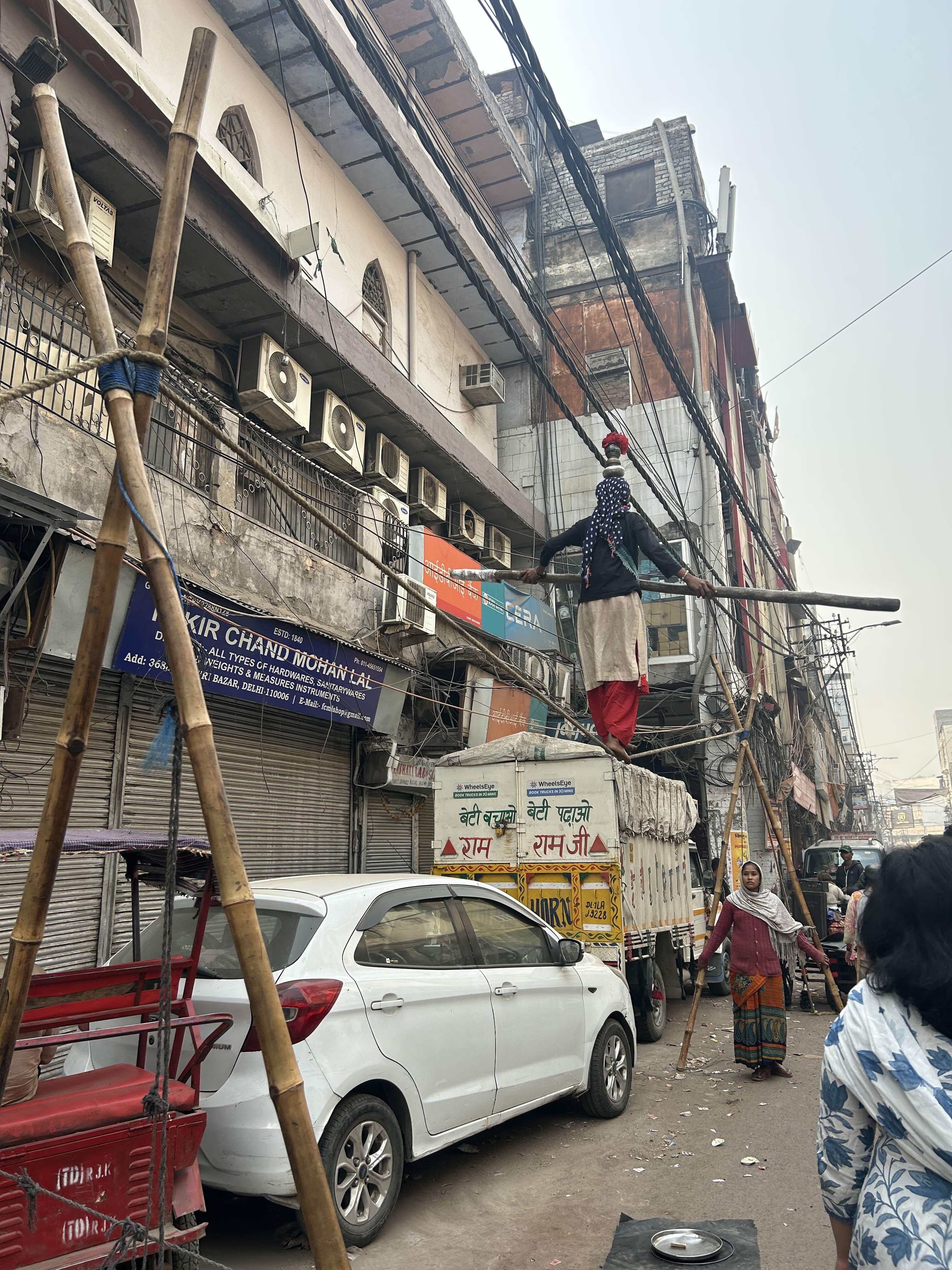
As we ate, life continued around us in its uniquely Purani Dilli way: a young girl performing acrobatics, a man getting his ears cleaned, people lining up for a shave and a massage. The old city compresses entire worlds into the width of a street.

Next came Bedmi Puri with aloo ki sabzi and a pickled carrot. Piping hot, perfectly spiced, devoured instantly. We were told to save a spoonful of the aloo sabzi for the following item—Nagori Puri with halwa. Our walk leader then demonstrated a delightful trick: puncture the top of the Nagori puri, add the leftover aloo sabzi, and crown it with a generous spoon of halwa. A small act of alchemy.

Our morning ended at one of the city’s oldest kulfi shops. As we savoured our final treat—a Santara kulfi—I noticed a curious word painted on the board—Julpep. A blend of juice, lollipops, and popsicles. Who knows—perhaps someday it will find its way into a dictionary.

Satiated with food and stories, I realised something: it isn’t just the seven historic cities of Delhi that coexist—it’s the hundreds of culinary traditions layered across generations. Purani Dilli is not merely a place; it is a living archive of flavours, skills, and memories. Each lane carries stories, each shop an inheritance, each dish a fragment of Delhi’s ever-growing love affair with food.