Tag Archives: CulinaryHeritage

An Evening of Craft, Cuisine, and Community at The Kunj

Growing up, there was a saying often used to describe a familiar irony: “When you stay next door to the station, you will miss the train.” It referred to situations in which, despite proximity, one keeps postponing a visit. That line came back to me on Saturday, when I finally managed to visit The Kunj—India’s first mall dedicated entirely to handloom and handicrafts.

Located within walking distance from my home, The Kunj has been on my mind since its opening in August 2025. And yet, like the proverbial train, I kept missing it.

As I stepped out of the lift, the first sight that greeted me was a loom and a vibrant seating area—an immediate signal that this was not just another retail space. Handicraft and handloom stores showcasing products from across the length and breadth of the country form the heart of The Kunj. What makes it even more special is the presence of artisans themselves—quietly, patiently creating their craft in full view. I found myself lingering near an elderly Madhubani artist, watching him draw with practiced ease. In that moment, I was reminded of the deep traditions and accumulated knowledge that form the foundation of India’s extraordinary craft heritage.

The credit for finally getting me to The Kunj, however, goes to Tales of India—a platform that seamlessly binds food, heritage, and community. When the mailer from Tales of the City landed in my inbox, I knew I didn’t want to miss an evening that promised good food paired with conversations on history and culture.

At the venue entrance, I was warmly greeted by Abu Sufiyan and Chef Sadaf Hussain. Conversation quickly turned to food walks—their routes, timings, and the inevitable request from a few of us for a walk dedicated solely to Nihari. Chef Sadaf countered with a challenge: Delhiites, he said, don’t like waking up early, which makes a traditional morning Nihari walk difficult. While we all confidently promised early mornings, only time will tell whether we manage to rise to the occasion.

Walking inside, I felt transported to the homes of my childhood—where the first room, the baithak, was a gathering space filled with knick-knacks collected over the years. It was heartening to hear Abu Sufiyan explain that the idea was to recreate the Bada Kamra—the room where everyone naturally came together.
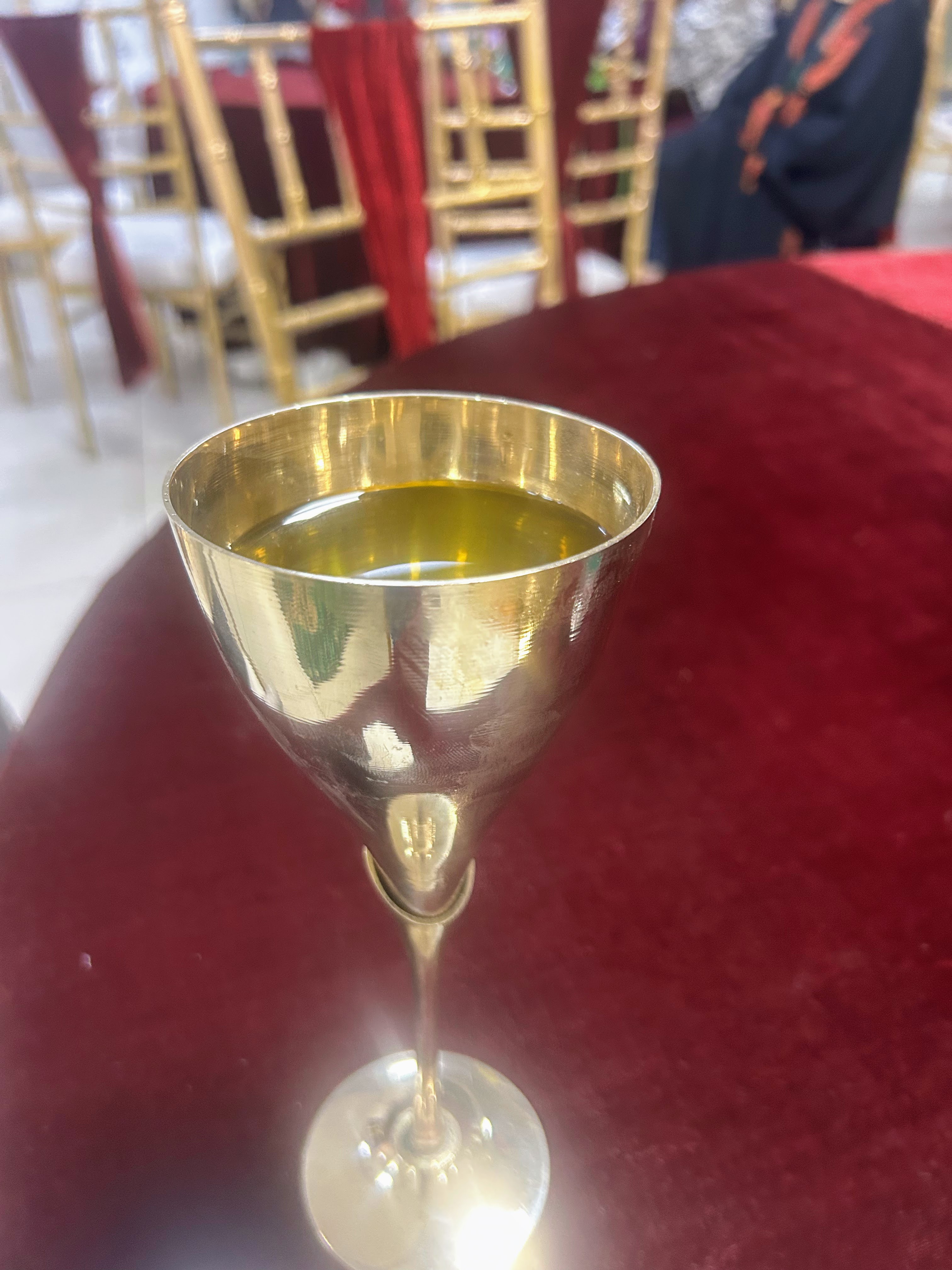
As stories and food memories began to flow, the first offering arrived: Khas Sherbet, served in an elegant brass glass. The conversation drifted towards community life—how there was once a time when we knew not just our next-door neighbours, but almost everyone on the lane. No one explicitly lamented how siloed life has become; it was simply understood. Perhaps the pace of life has changed, and gatherings like these are meant to be cherished when they happen.

Next came a Shami Kabab, delicately pounded on a sil batta, fibrous and soft. This was followed by Mutanjan, sweet rice garnished with almonds and sultanas, accompanied by the meat of teetar (quail). Chef Sadaf pointed out that in earlier times, “bird” almost always meant quail—never chicken. Chicken, he noted, became popular only after Partition.
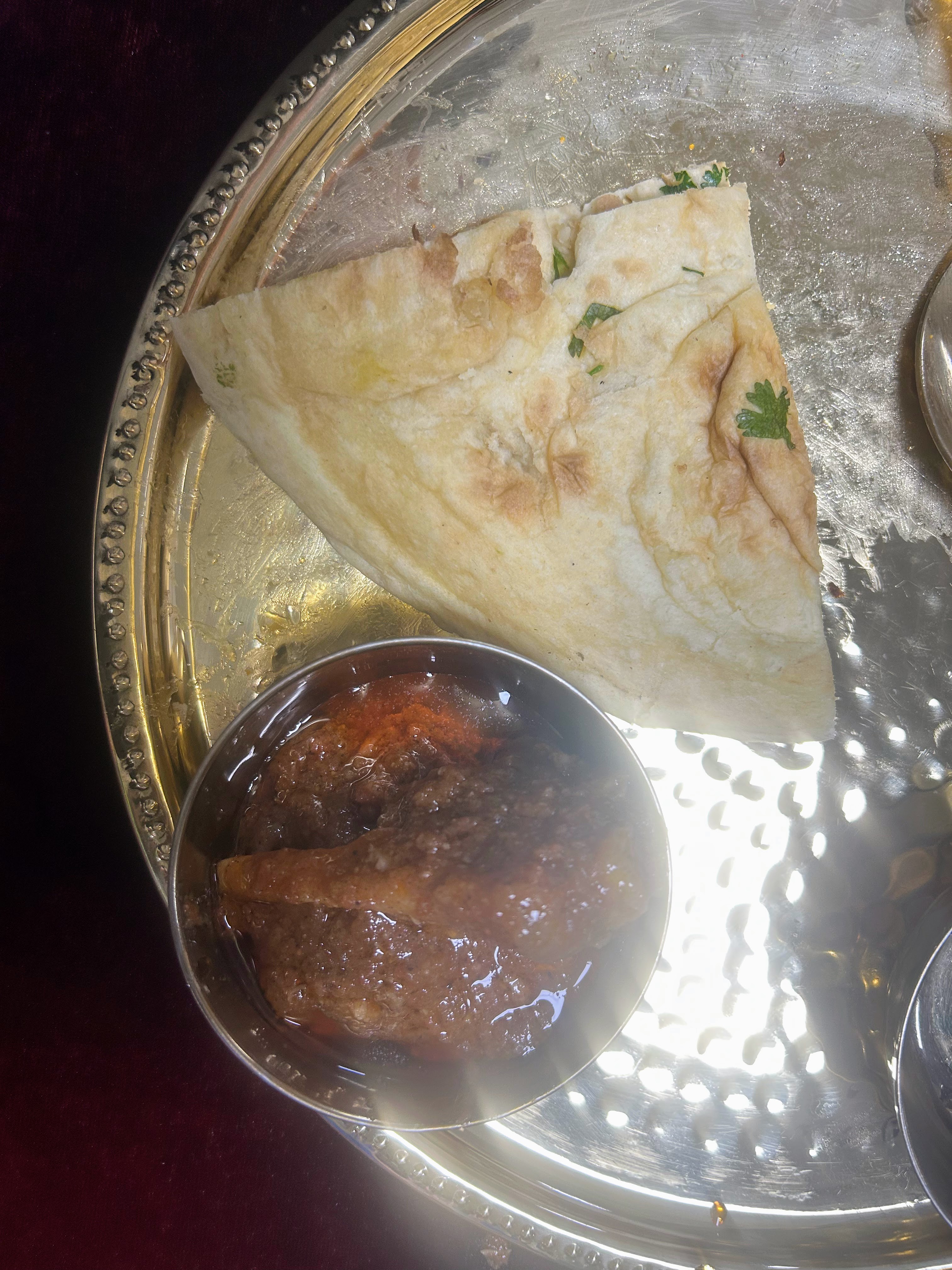
Then arrived the star of the evening: Nihari, served with Khamiri Roti—rich, slow-cooked, and deeply comforting. As we ate, memories surfaced of street vendors and their distinctive calls—jingles that once echoed through neighbourhoods. It wasn’t just food vendors; toy sellers, kulfiwalas, knife sharpeners, bangle sellers—all had their own sounds. With e-commerce and changing lifestyles, many of these have quietly faded away.

The next dish, Shab Deg—literally “cooked overnight”—arrived in beautiful brassware. Plates and bowls were wiped clean as we savoured yet another culinary tradition from Purani Dilli. Dessert followed: Mithi Roti with Kheer, the kheer cooked to a phirni-like consistency. Throughout, Chef Sadaf kept us enthralled—not just with flavours, but with stories of how dishes evolved and travelled through time.

The evening concluded with Meetha Paan, leading to a discussion on paan traditions across the country. While practices adapt to local tastes, we realised that their roots remain remarkably similar everywhere.

It was a near-perfect weekend—handicrafts, food, history, and a gathering of like-minded people. Sometimes, life introduces places to us in very specific ways. For me, The Kunj will always be associated with this evening—an experience that finally made missing the train worthwhile.
A Winter Walk Through Purani Dilli: Stories, Streets, and Subah ke Pakwan


With winter slowly tightening its grip on the city, I mentioned to a colleague last Friday that this year I wanted to finally try Daulat ki chaat. A fanatic Benarasi, she laughed and said, “You should go to Benaras and taste the better version.” Perhaps she wasn’t wrong—but Delhi, for all its culinary rivalries, is a food lover’s paradise. And winter? Winter is Delhi at its delicious best.

The chill in the air sharpens appetites and opens up the full spectrum of flavours: from savoury chaats to sinful ghee-soaked sweets. Amid it all, Purani Dilli holds a special place in every foodie’s heart. This Sunday, I joined a food walk titled Purani Dilli ke Subah ke Pakwan, curated by Tales of City and led by the knowledgeable Chef Sadaf Hussain. Like many, I associated Purani Dilli primarily with its legendary non-vegetarian fare.

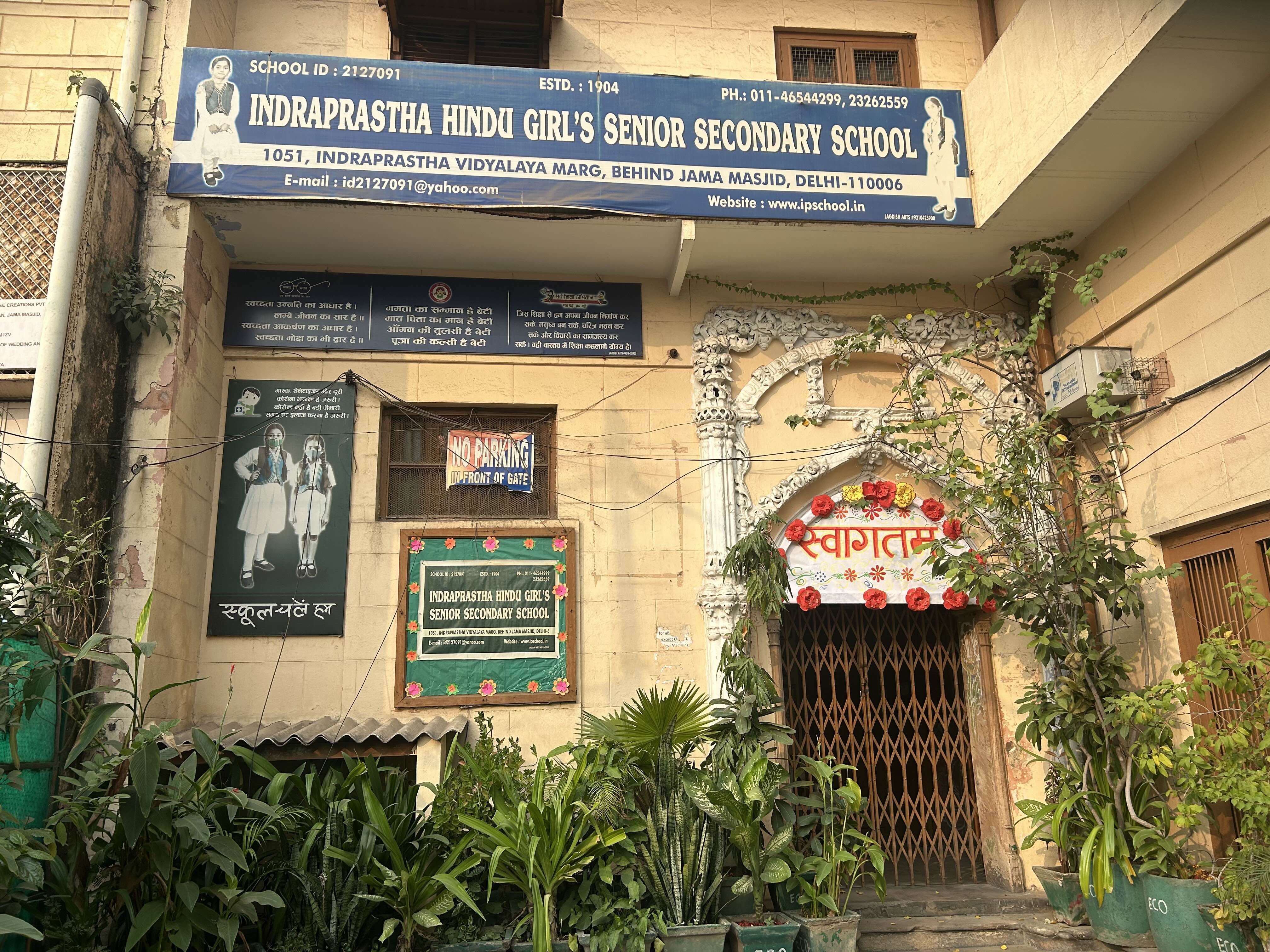
The early-morning ride through its narrow lanes was surprisingly smooth—the city was still stretching awake. The walk began in front of Indraprastha Hindu Girls’ Senior Secondary School, the city’s first girls’ school, tucked behind Jama Masjid.

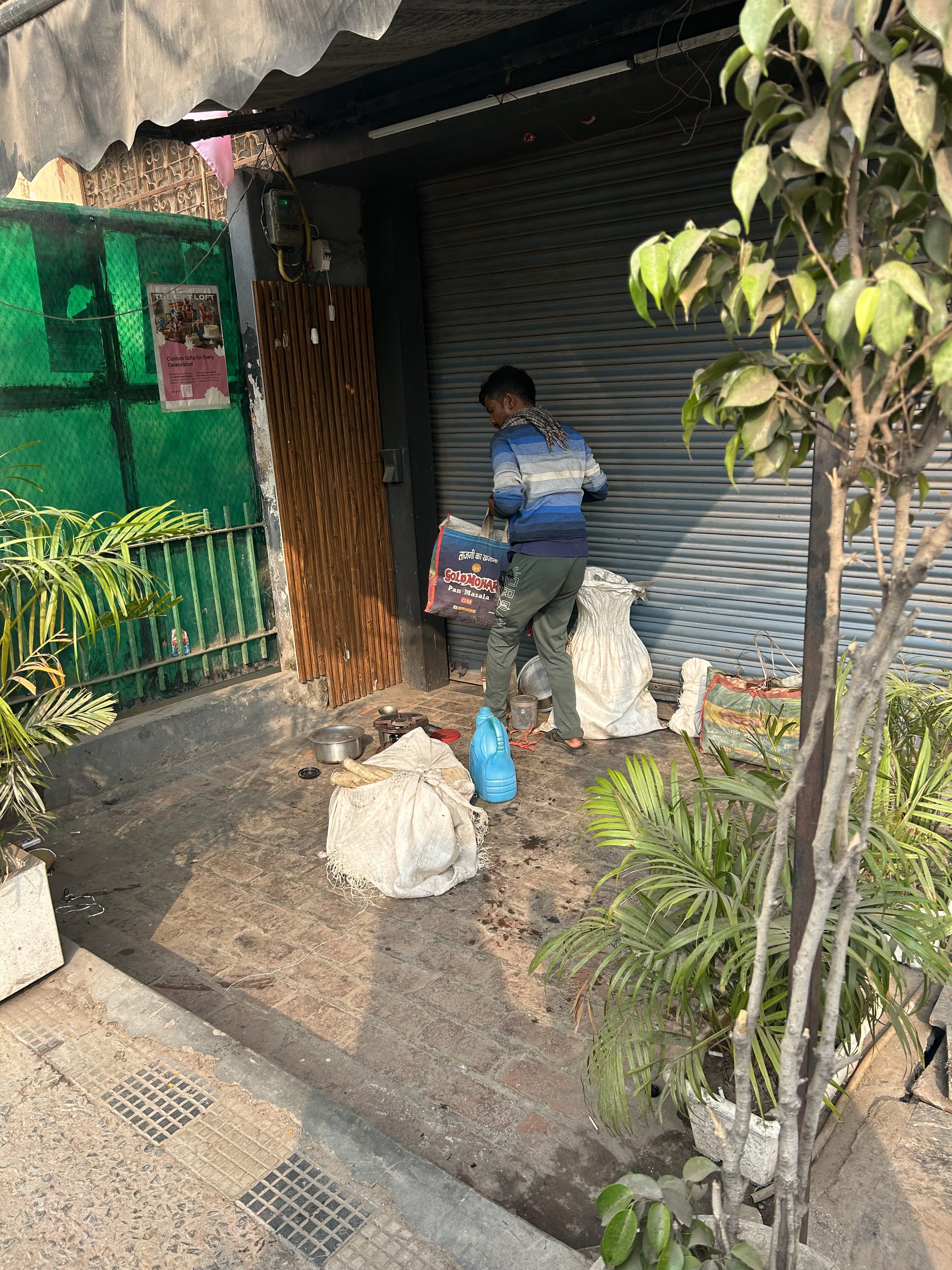
As we gathered, waiting for the walk to begin, I absorbed the scene around me: daily-wage earners cooking their modest meals, people taking their first sip of morning tea, a few men bathing by a tubewell, and roadside vendors quietly assembling their makeshift shops. Purani Dilli wakes up in chapters, each rooted in centuries of habit.

Once we set off, Chef Sadaf immediately challenged our assumptions. “This,” he announced, “will be a vegetarian food walk.” A ripple of surprise passed through the group.

Our first item was chai. I’m not a tea drinker—certainly not fond of roadside versions that lean heavily on sugar—yet this cup was surprisingly pleasant and perfectly sweet. Warm hands, warm cup, cold morning: Delhi in winter distilled into a moment.

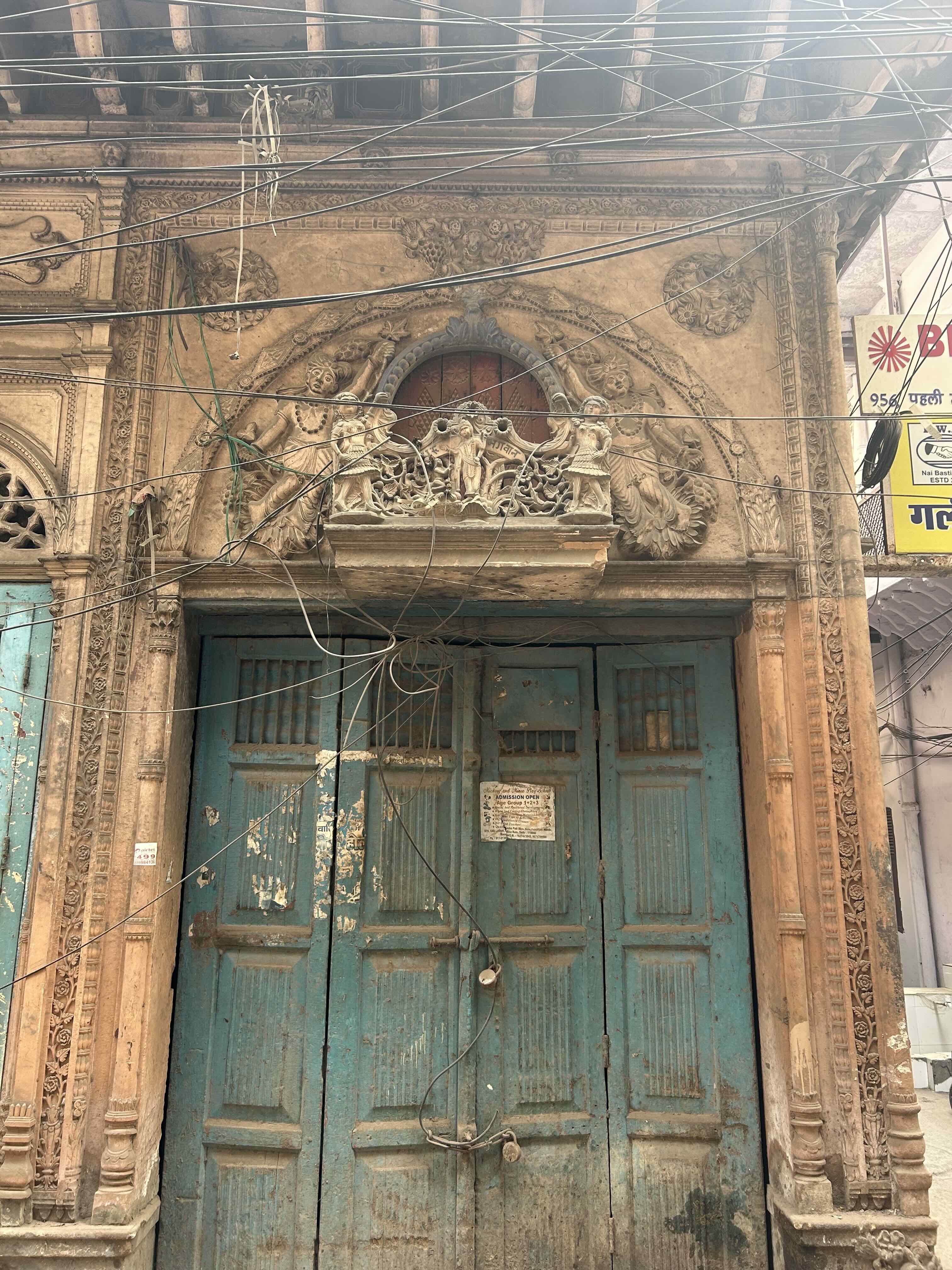
As we walked, we learned how the old city once attracted people for their skills, leaving an imprint in street names that referenced professions long since faded. Navigating the tangled lanes—dodging bikes, scooters, rickshaws—was an adventure of its own. We passed doors that had obviously seen better days. The neighbourhood is a labyrinth where every turn looks like the last, except for the unmistakable pulse of life running through it.

Our next destination was the famed Lotanji Cholewale. The shop, recently catapulted into mainstream fame after being invited to serve at the Ambani wedding, was buzzing with customers. The kulcha had a different texture than the ones I’d eaten before, while the chole was intensely flavourful. They serve three versions: less spicy, medium, and very spicy. We prudently stuck to the middle path.

As we dipped warm kulchas into spicy chole, perched precariously on the seat of a parked scooter, our group discussed breads—origins, variations, and adaptations—proving that food walks can easily turn into impromptu seminars.

Then came the moment I was waiting for: Daulat ki chaat. I had only spoken about it two days earlier. Light, airy, delicately sweet—made from milk and winter air—it remains one of North India’s most magical seasonal desserts. I learned that its origins trace back to Afghanistan, and over time, it has woven itself into the culinary traditions of cities across northern India.

We emerged from the maze onto Chawri Bazaar—“Chawri”, from chawra, meaning “wide”. It may not appear wide today, but compared with the lanes we had just left, it certainly felt expansive. Here, we sampled warm nan khatai. I’ve eaten this crumbly cookie countless times, but never fresh off the tawa. Warm, fragrant, and gently melting—it was a revelation.

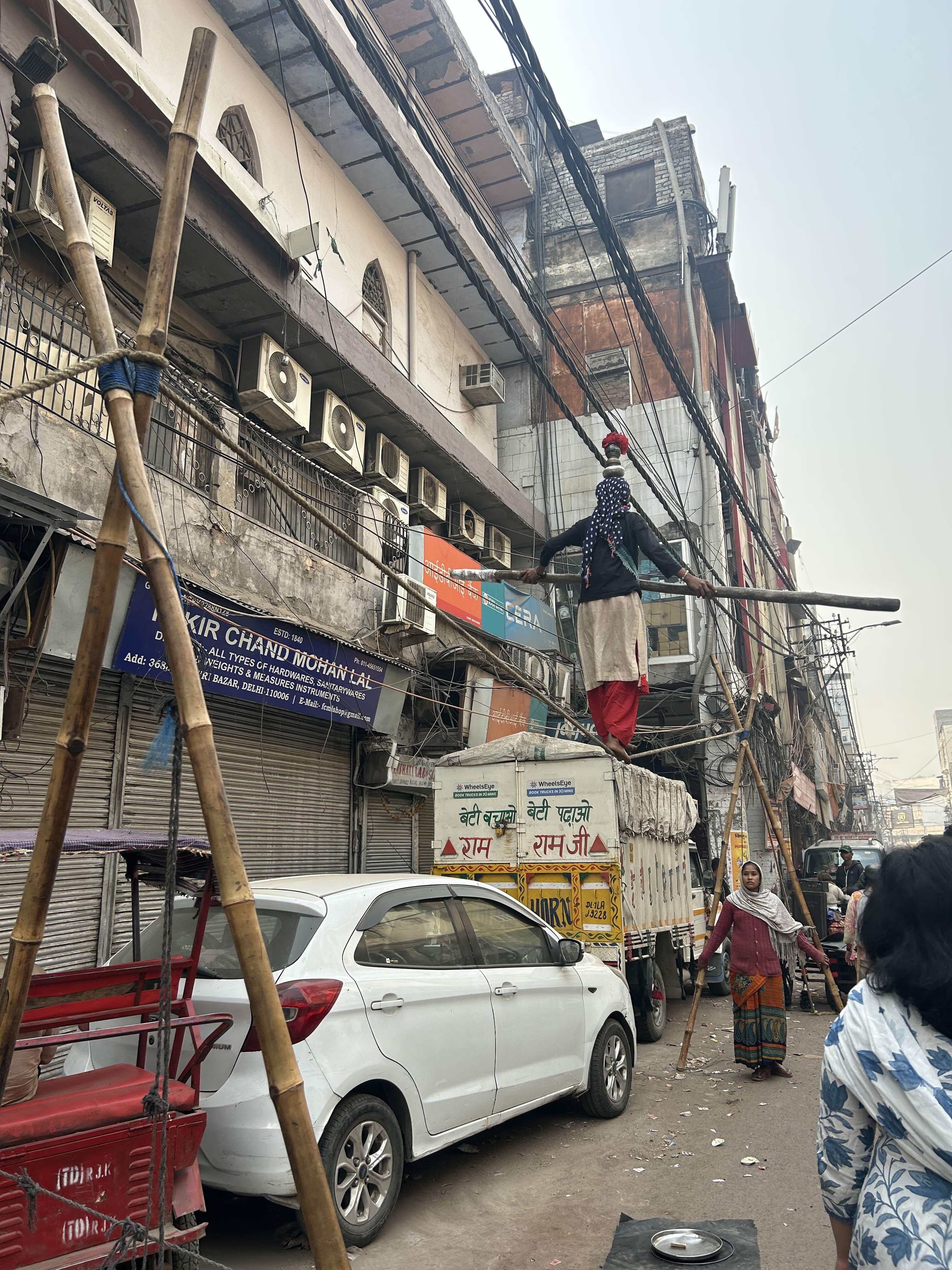
As we ate, life continued around us in its uniquely Purani Dilli way: a young girl performing acrobatics, a man getting his ears cleaned, people lining up for a shave and a massage. The old city compresses entire worlds into the width of a street.

Next came Bedmi Puri with aloo ki sabzi and a pickled carrot. Piping hot, perfectly spiced, devoured instantly. We were told to save a spoonful of the aloo sabzi for the following item—Nagori Puri with halwa. Our walk leader then demonstrated a delightful trick: puncture the top of the Nagori puri, add the leftover aloo sabzi, and crown it with a generous spoon of halwa. A small act of alchemy.

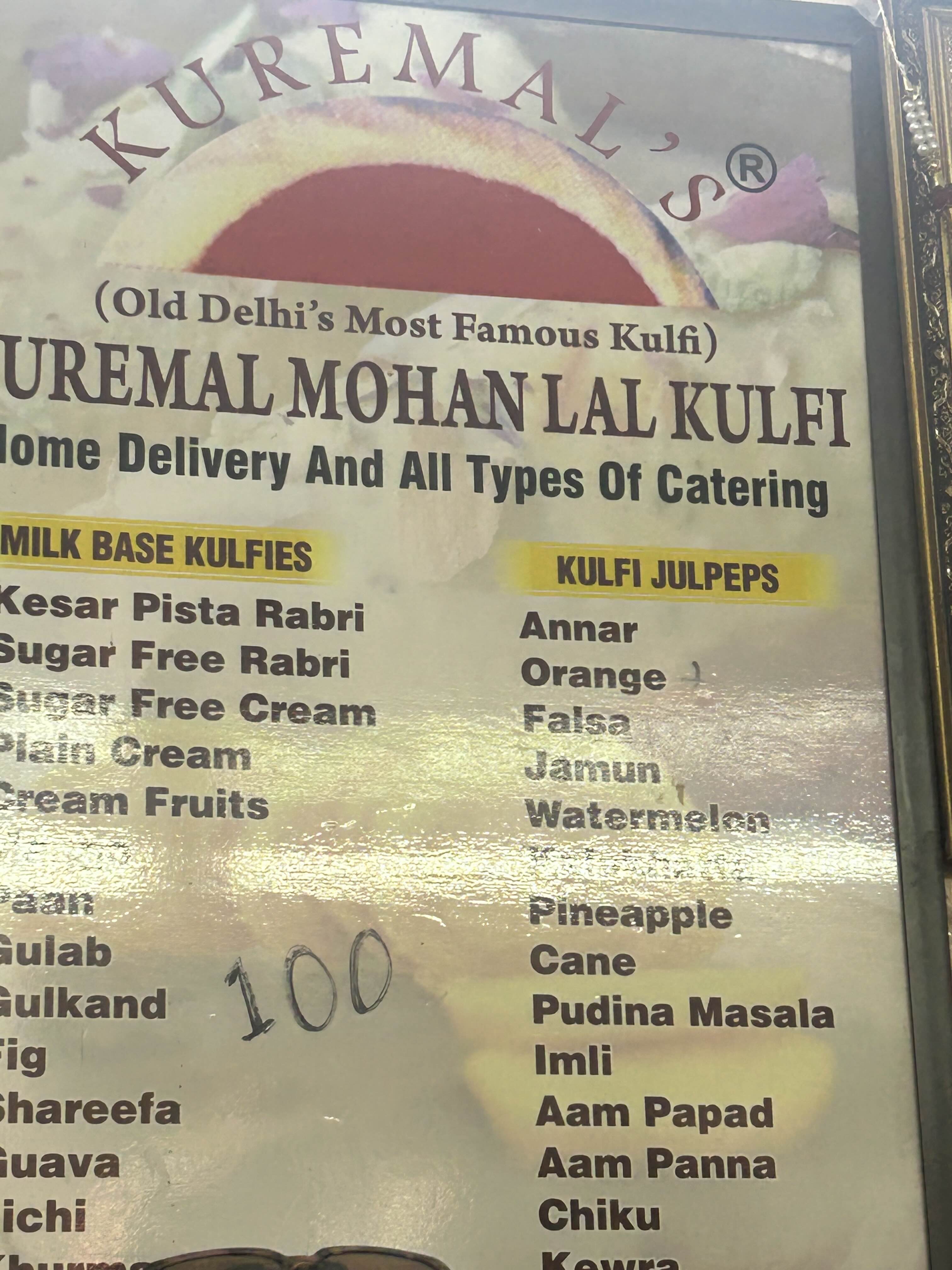
Our morning ended at one of the city’s oldest kulfi shops. As we savoured our final treat—a Santara kulfi—I noticed a curious word painted on the board—Julpep. A blend of juice, lollipops, and popsicles. Who knows—perhaps someday it will find its way into a dictionary.

Satiated with food and stories, I realised something: it isn’t just the seven historic cities of Delhi that coexist—it’s the hundreds of culinary traditions layered across generations. Purani Dilli is not merely a place; it is a living archive of flavours, skills, and memories. Each lane carries stories, each shop an inheritance, each dish a fragment of Delhi’s ever-growing love affair with food.