How does one define a city and its soul? Having spent my life moving from one city to another, I have often felt that the soul of a city lies in the pride its ordinary people take in its culture and heritage. Today, I caught a glimpse of why Benaras is special.
The day began early. I wanted to go for a boat ride at sunrise. Harshit had referred a boatman, and I had arranged with him to pick me up from Tulsi Ghat. I reached Assi Ghat at six in the morning, just in time to catch the final moments of the morning Ganga Aarti. From there, I walked to Tulsi Ghat and met Karma, the boatman. We began our journey just as the sky began to turn pink.
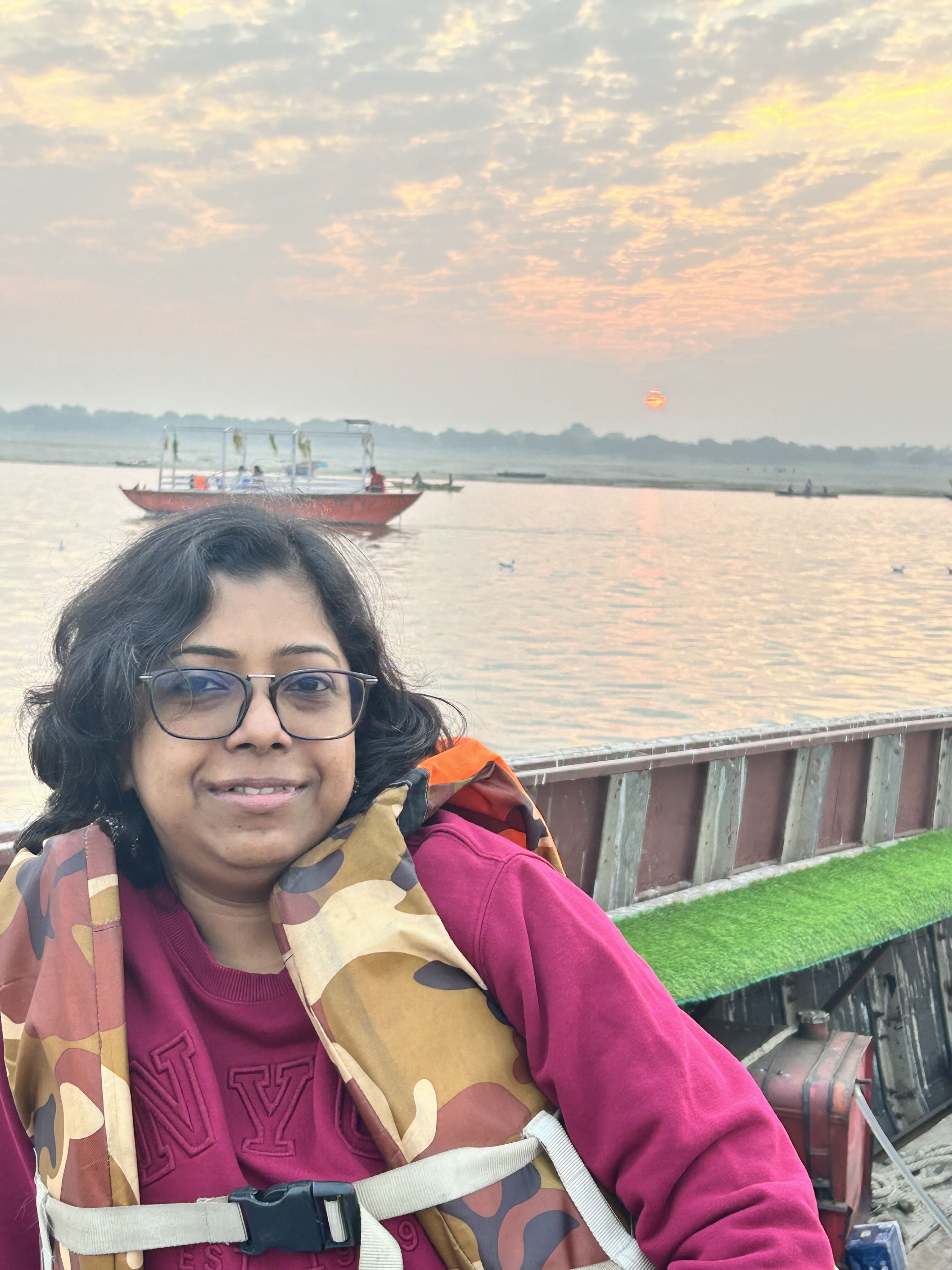
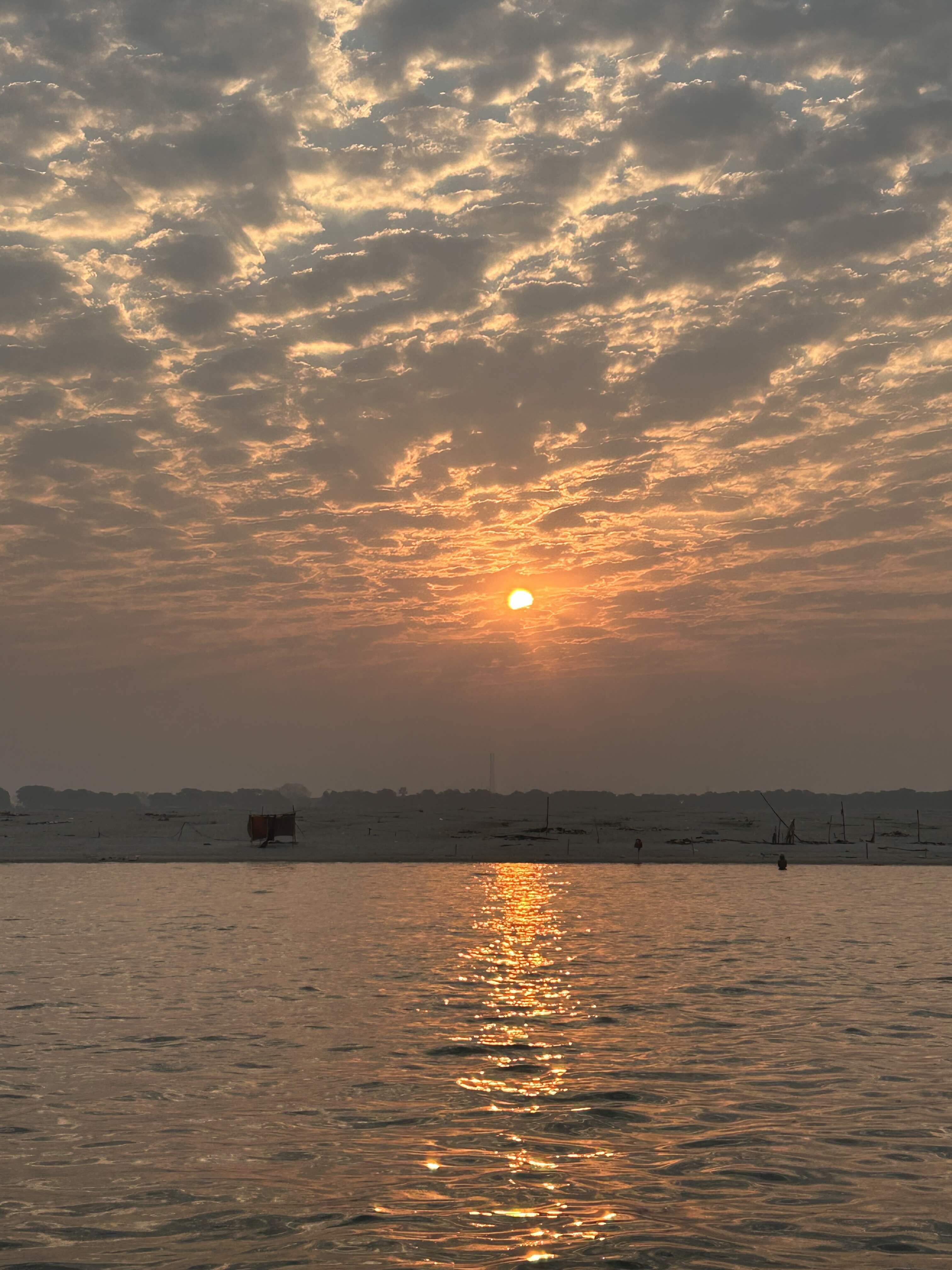
Karma turned out to be much more than a boatman; he was a guide and a storyteller. As we moved along the river, he narrated the stories of the ghats. Many of them, he told me, had been built by erstwhile rulers from across India and even Nepal. Today, many of those palaces lining the ghats have been converted into hotels. The palaces of yore are now premium hospitality properties. I found myself wondering at this quest for moksha that still sought to build palaces.
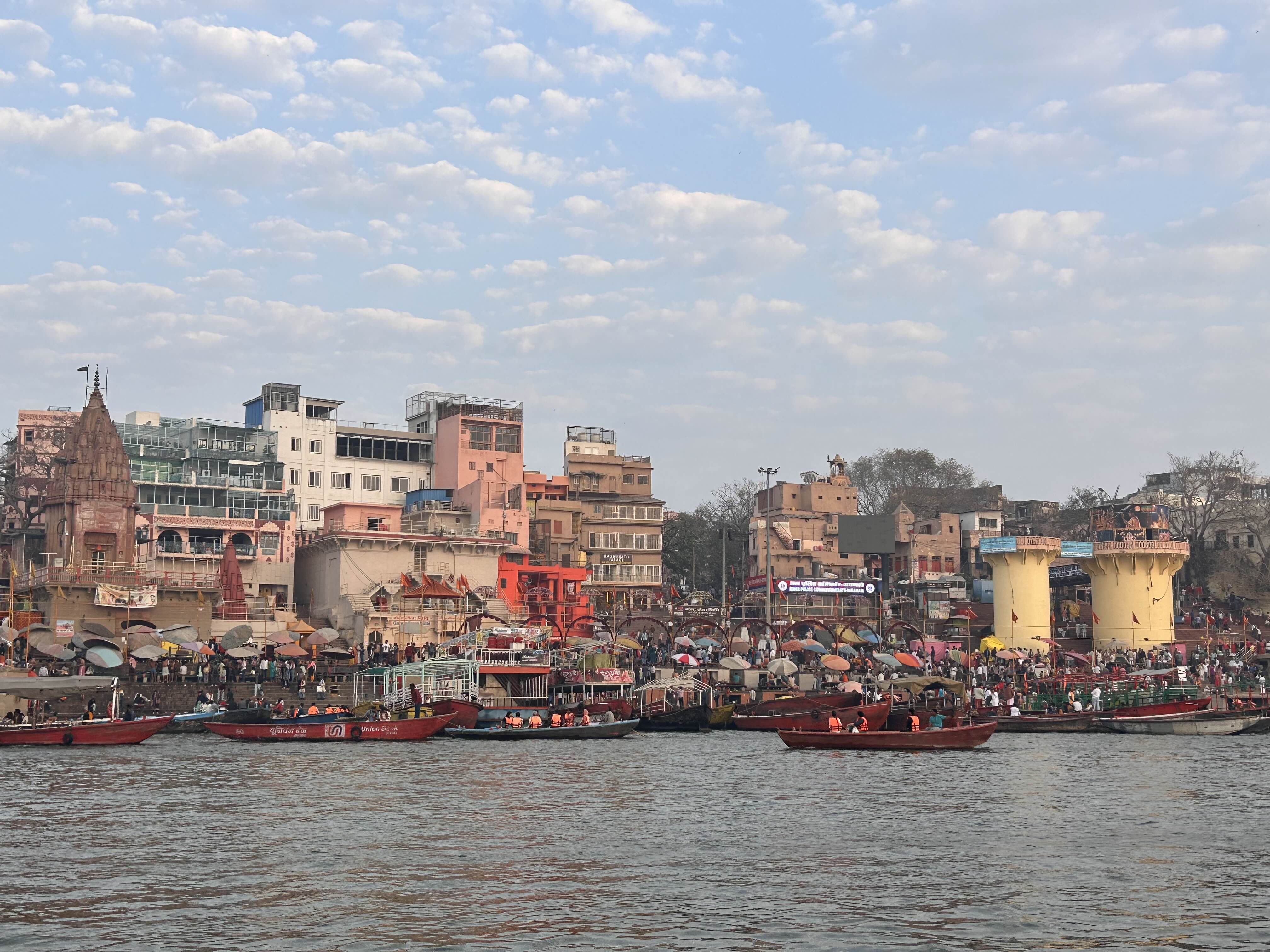
We passed Harishchandra Ghat, where pyres were burning, and Karma narrated the story of Raja Satyavadi Harishchandra. Then came Dashashwamedh Ghat, among the most famous in the city. Next to it was Manikarnika Ghat, and there I saw a pyre burning in the background while, in the foreground, a group on another boat was busy shooting a scene with someone dressed as Shiv. Life is transient indeed.

As we moved ahead, Karma surprised me by reciting Banaras, the famous poem by Jnanpith awardee Kedarnath Singh. Listening to him recite it flawlessly, I realised that it is people like Karma—common men who carry the words of poets in their hearts and wear their city with pride—who make a place truly special.
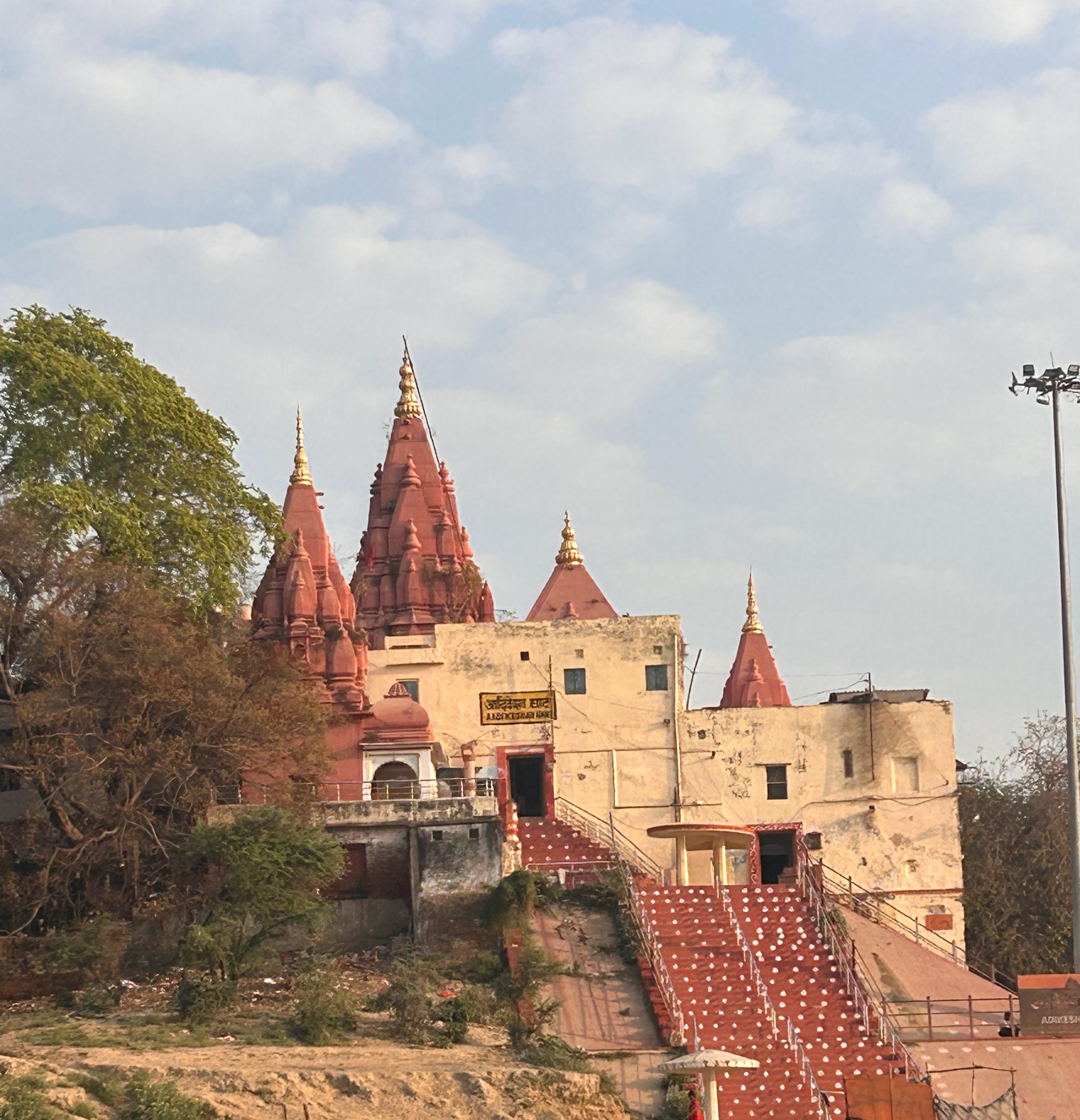
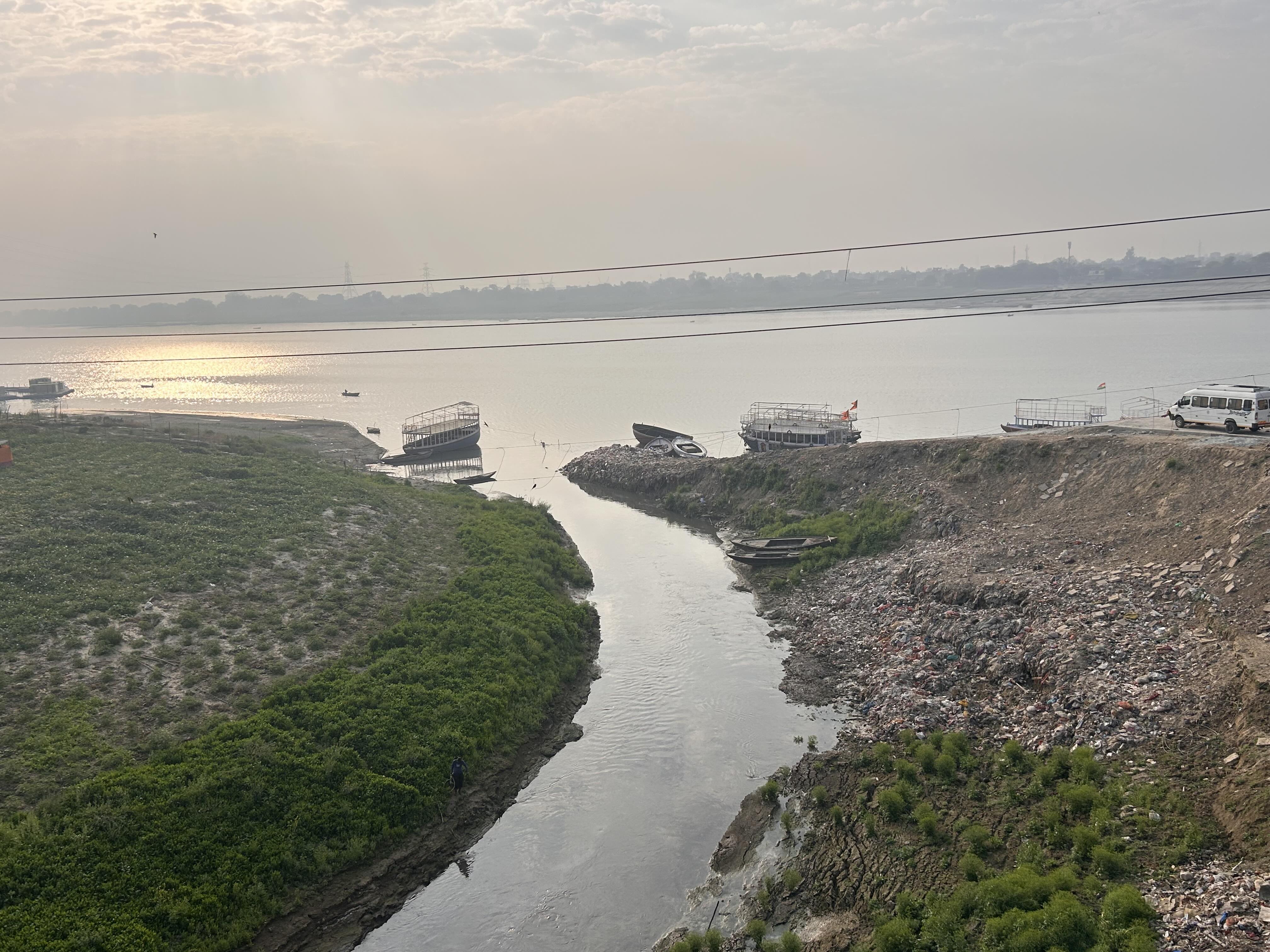
In the city of Shiv, Karma next took me to the Adi Keshav Temple, dedicated to Lord Vishnu. Located at the confluence of the Varuna and the Ganga, it is said to be the oldest shrine to Vishnu in the region. Far from the usual tourist circuit, the temple was quiet. The morning aarti was underway, and there was a stillness there that felt deeply comforting.
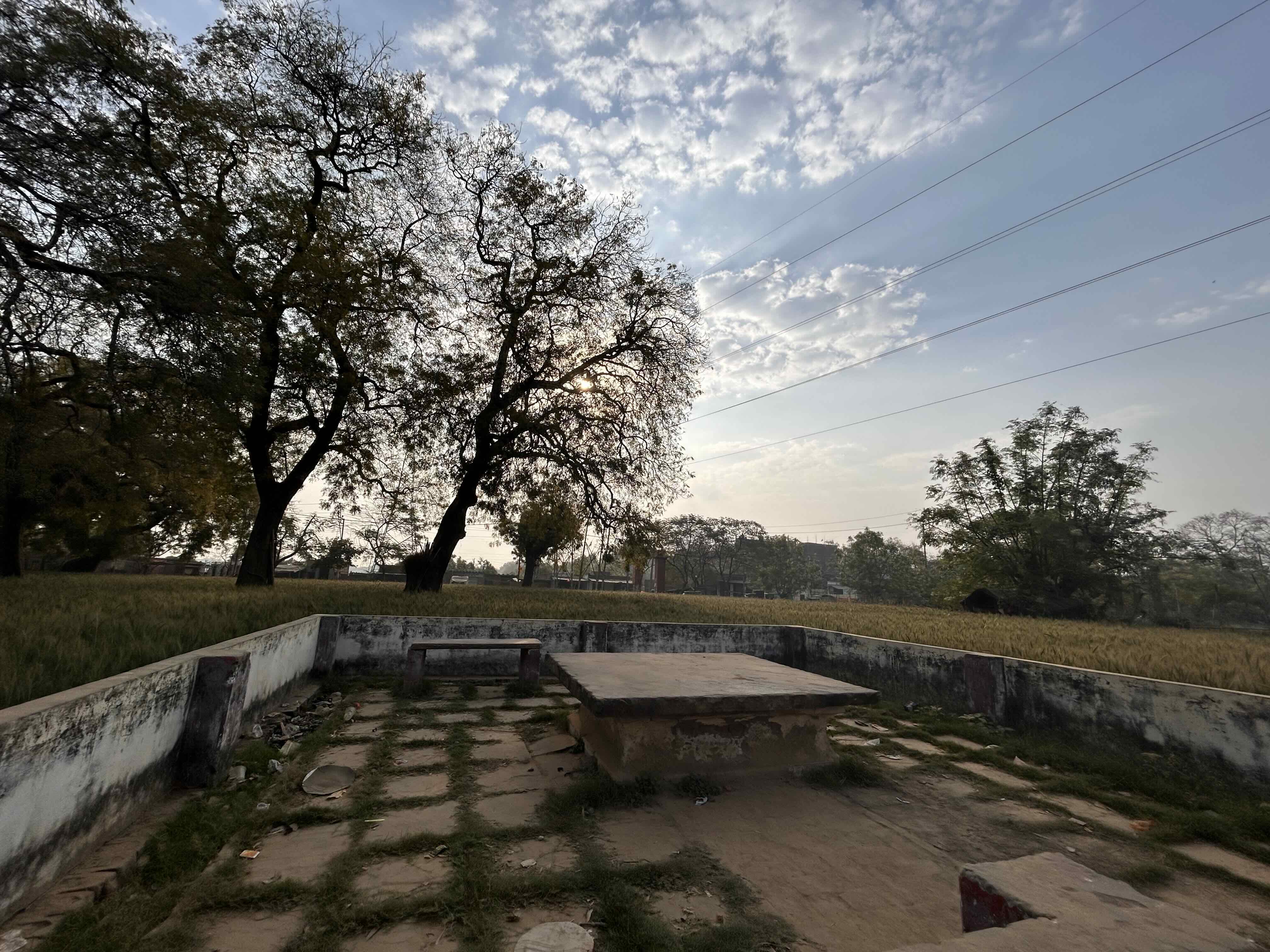
From the temple, I walked into the nearby village of Sarai Mohana. It is said that Buddha once walked through its lanes, and Karma pointed out a spot where he is believed to have rested.
But while the beauty of the ghats can fill the heart, it cannot fill the stomach. As I got off the boat, my growling stomach reminded me of that rather firmly. So I did what one does when one has a colleague from the city: I called Chandrali and was promptly directed to Aum Café at Assi Ghat—a small place with excellent food.
Satiated, I decided to head to Madanpura, the hub of Benarasi sarees. How can one come to this city and not explore its weaves? The next two hours saw me go completely bonkers over the astonishing range and beauty of Banarasi sarees. Did I go overboard? Absolutely yes.
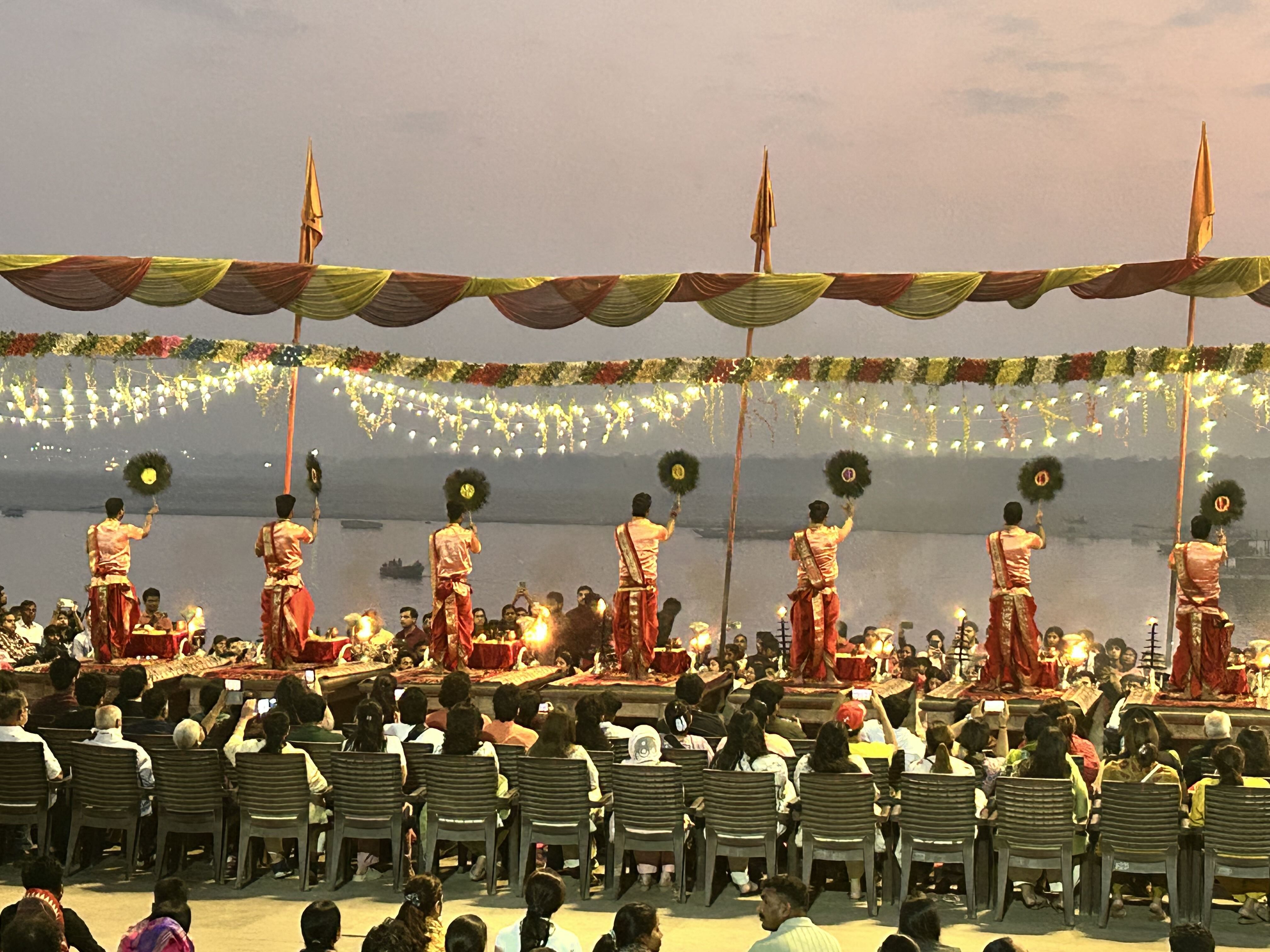
Finally, exhausted but happy, I returned to the hotel. But the day was not done yet. I wanted to watch the Ganga Aarti at Dashashwamedh Ghat from a boat. Clearly, I was not alone in that desire. By the time we reached the ghat, it looked like a sea of humanity—on the steps and on the river. Boats jostled for space to secure a better view, and I was strangely reminded of the mad rush of safari vehicles trying to catch the Great Migration at the Masai Mara.
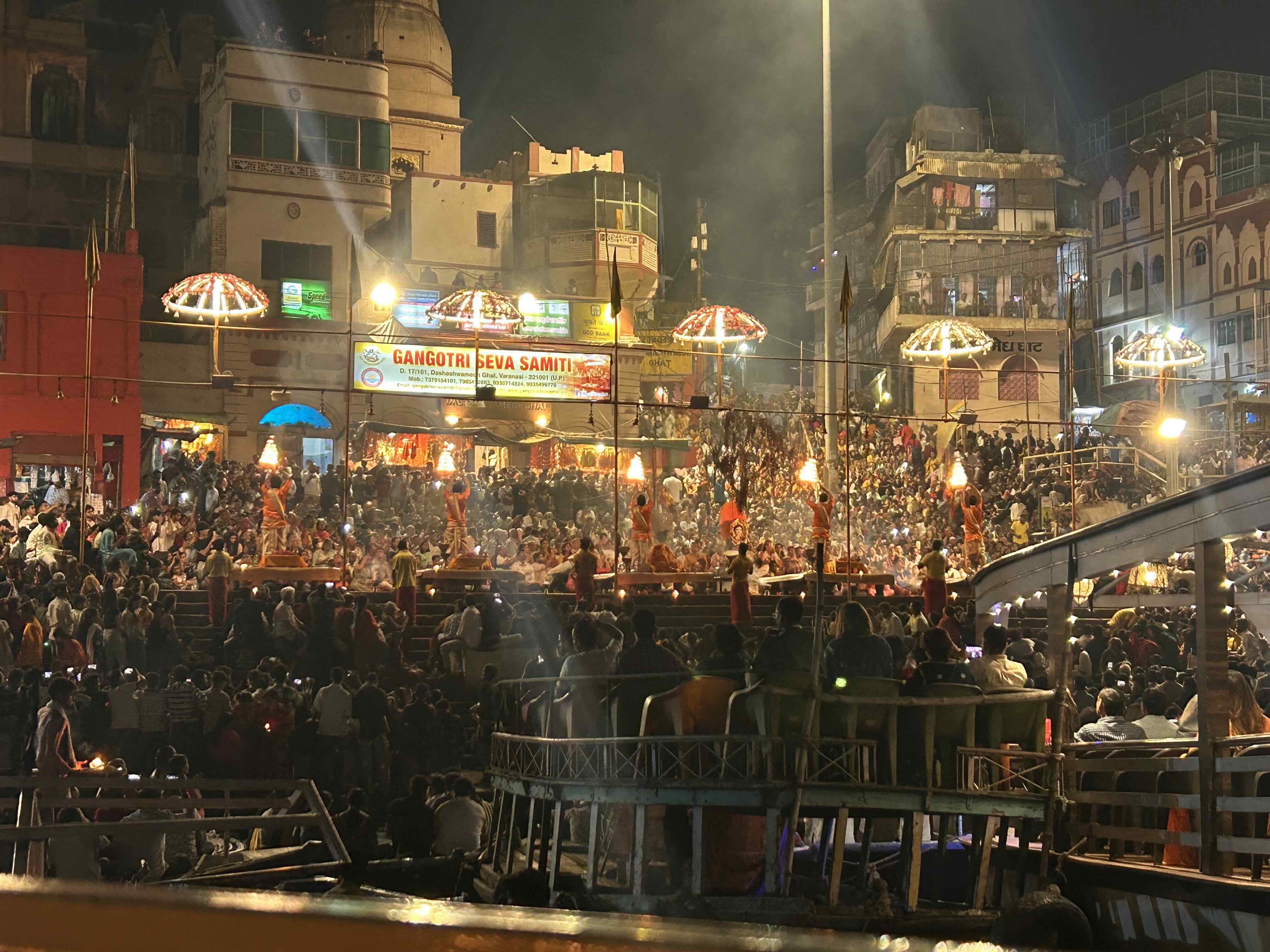
The Ganga Aarti at Dashashwamedh Ghat has been carefully crafted as spectacle: from the priests’ camera-friendly attire, to the dimming of lights at the right moment, to the choice of music. Even the damarus had fluorescent lights. The image of the aarti with the great दीपक is so iconic that once that portion concluded, several boats began to move away, even though the aarti itself was still underway.
Thus ended the day—a day that offered me a glimpse into the fabric of the city: a boatman reciting poetry, funeral pyres forming the backdrop to a film shoot, the richness of the Benaras weave, and the eternal presence of the Ganga.
 Jajabor